
Last updated November 25, 2026
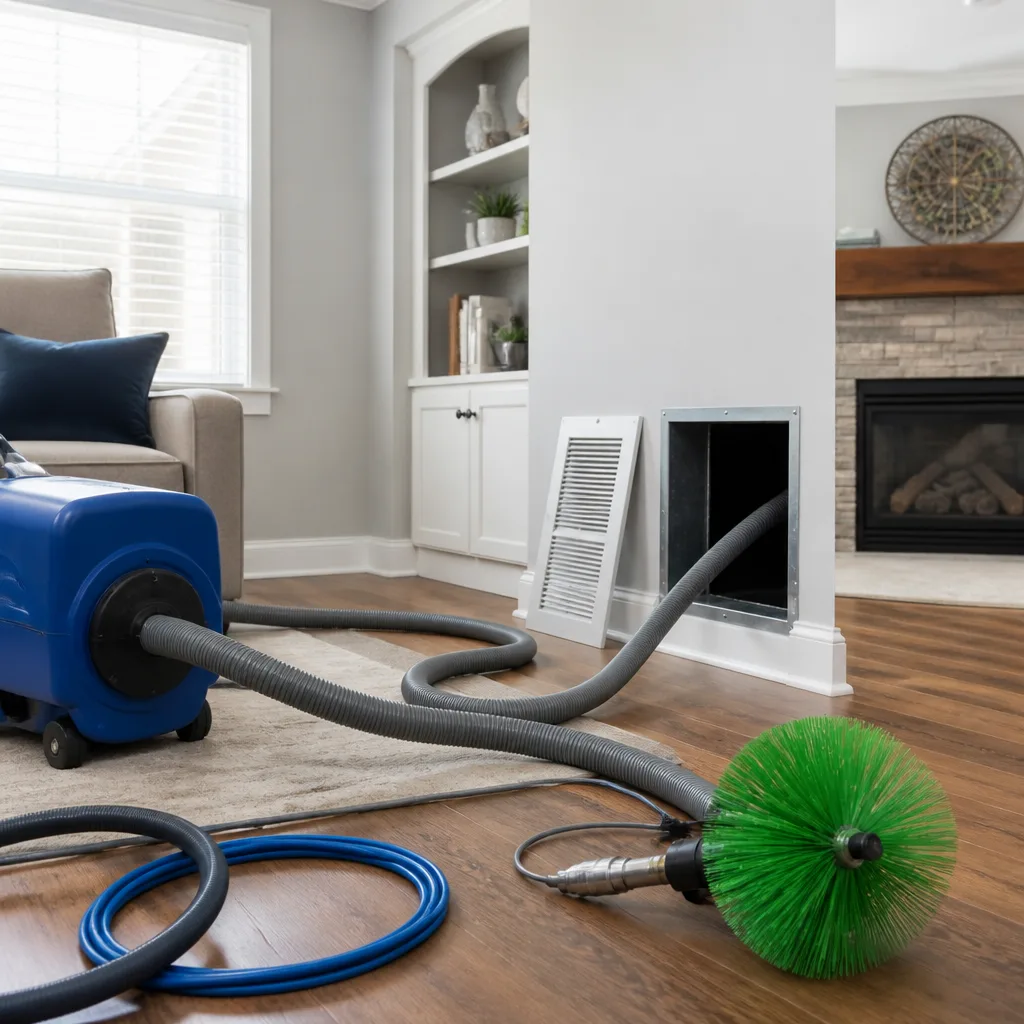 Whole-home duct cleaning
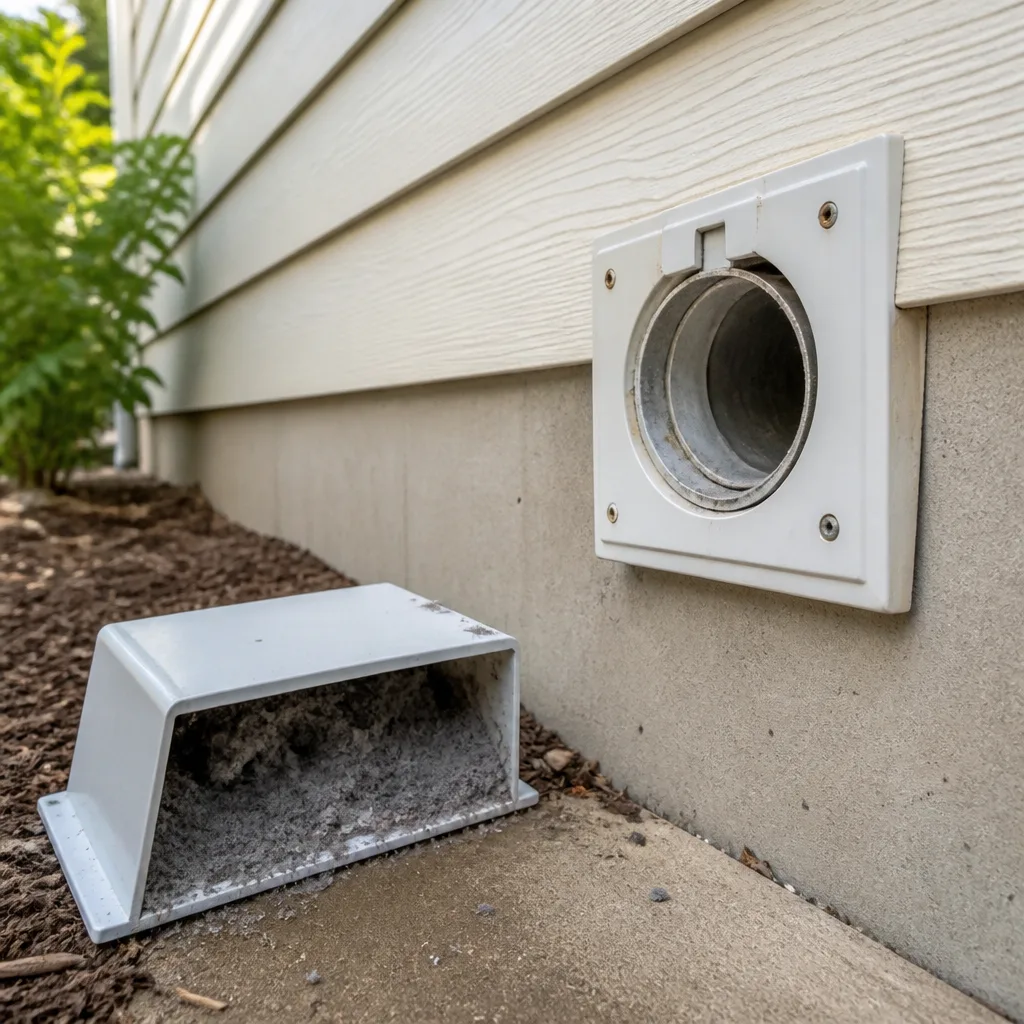 Dryer vent cleaning
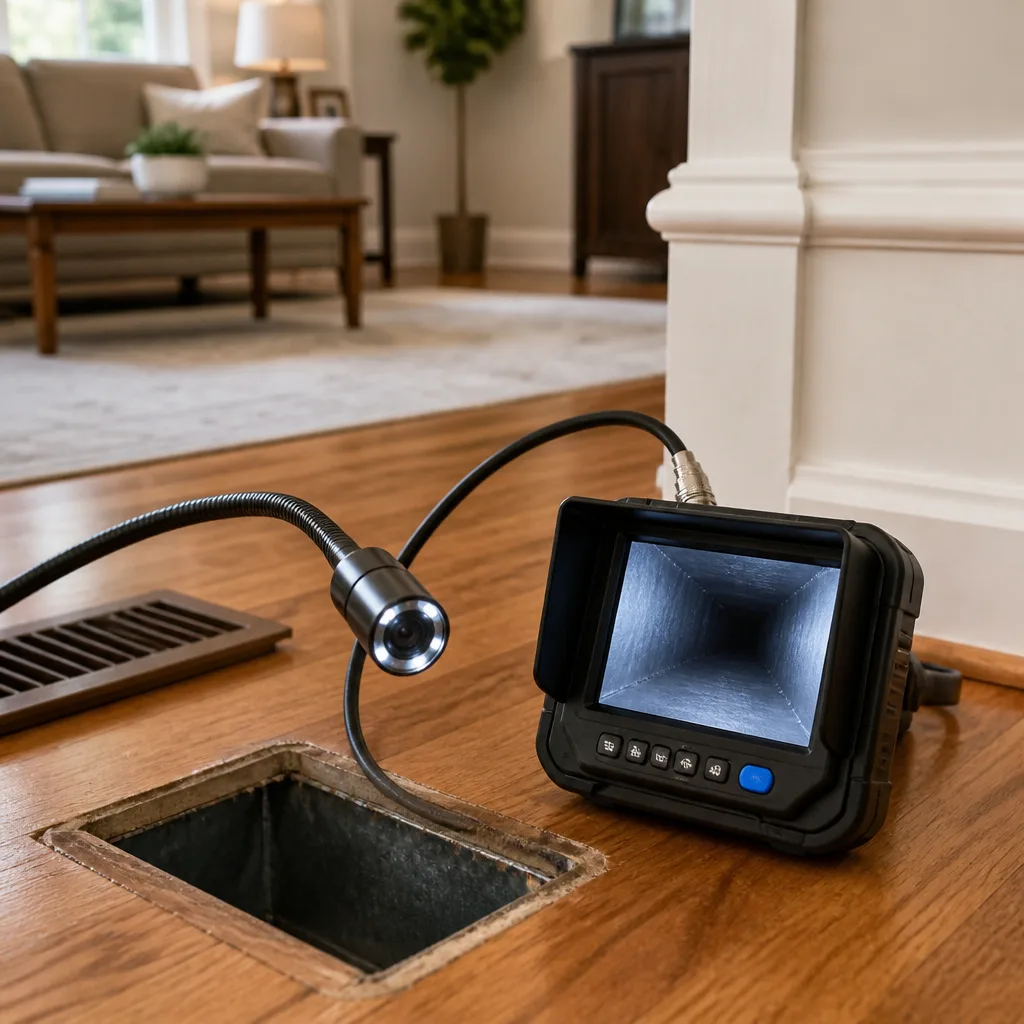 Camera inspection
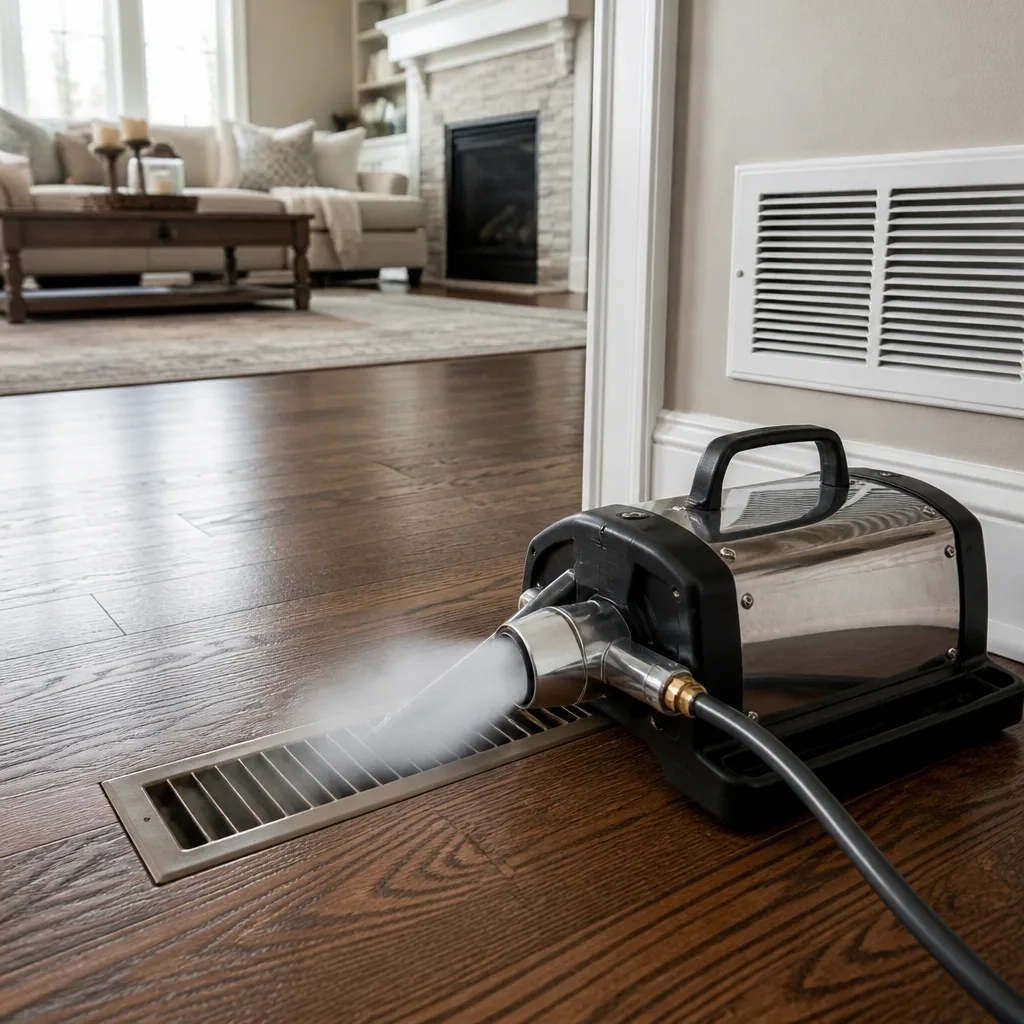 Sanitizing & deodorizing
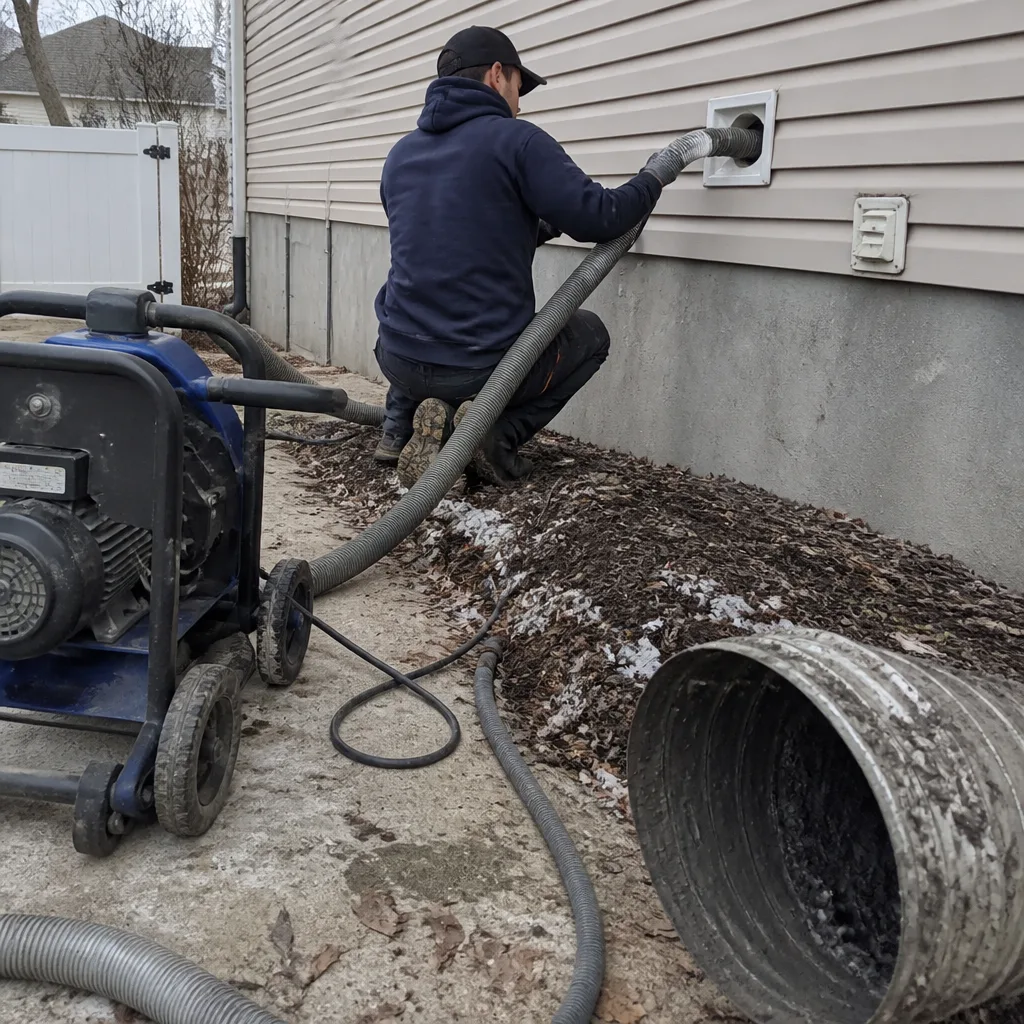
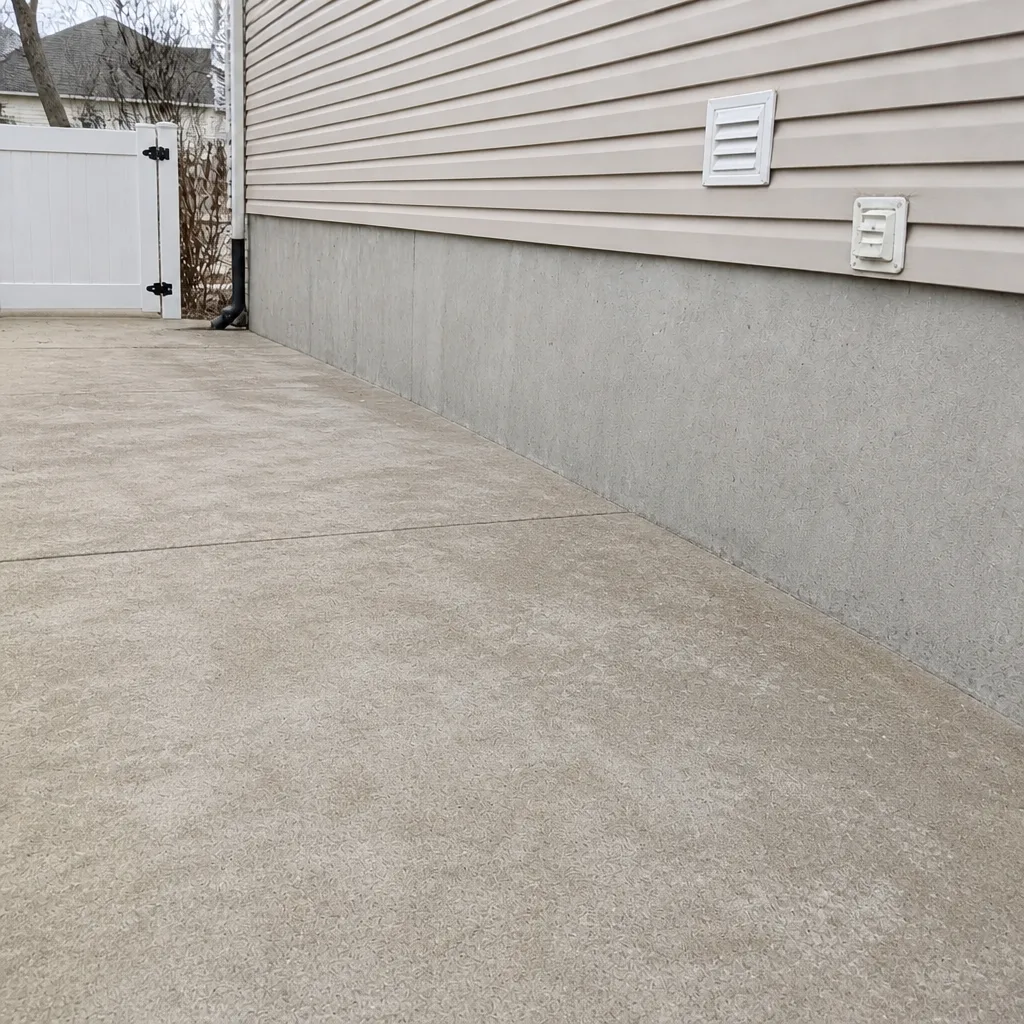
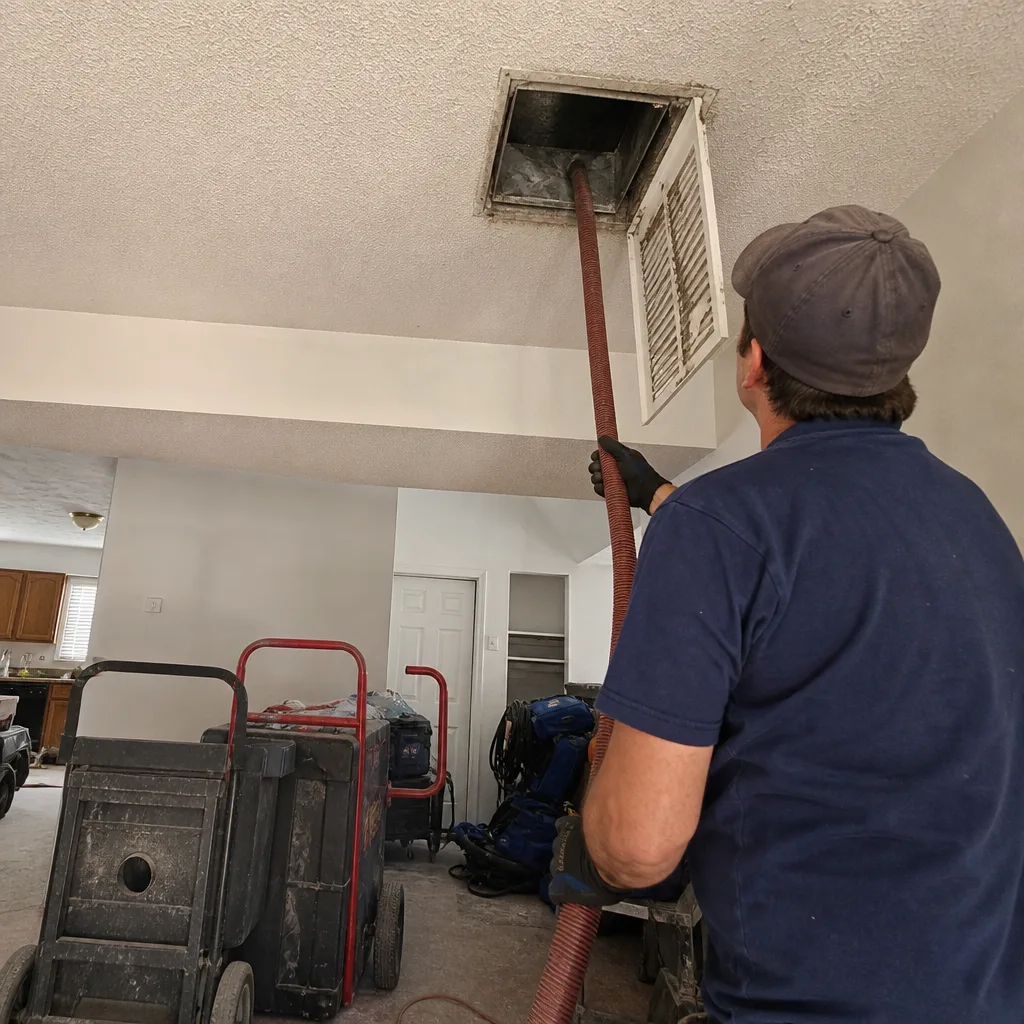
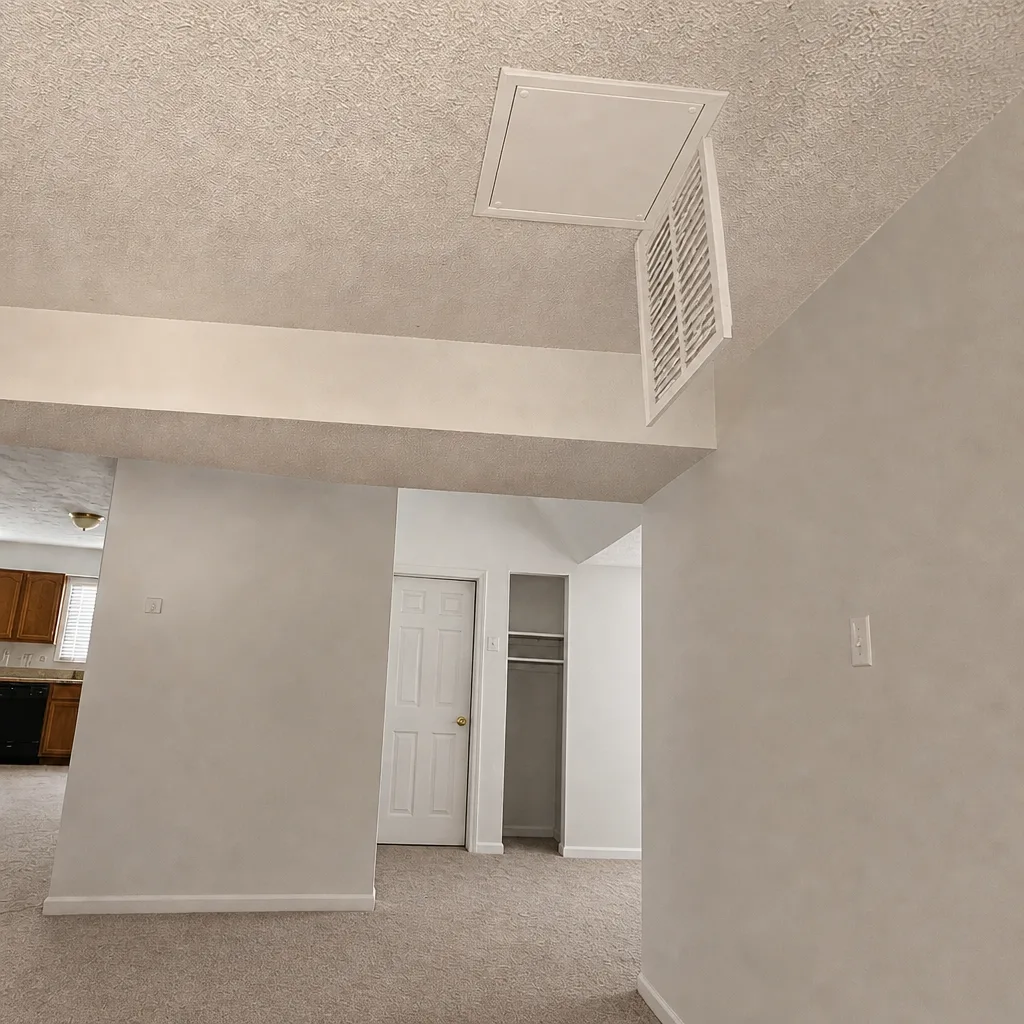
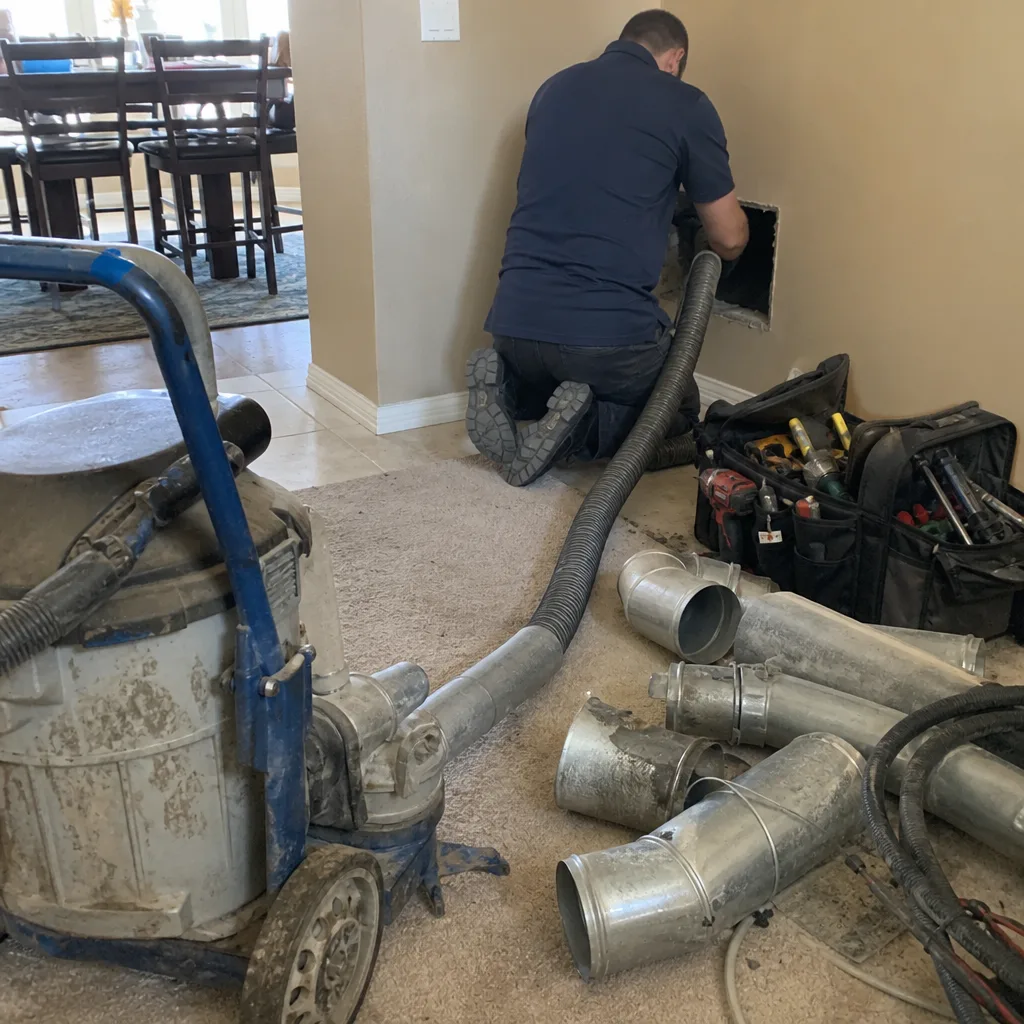
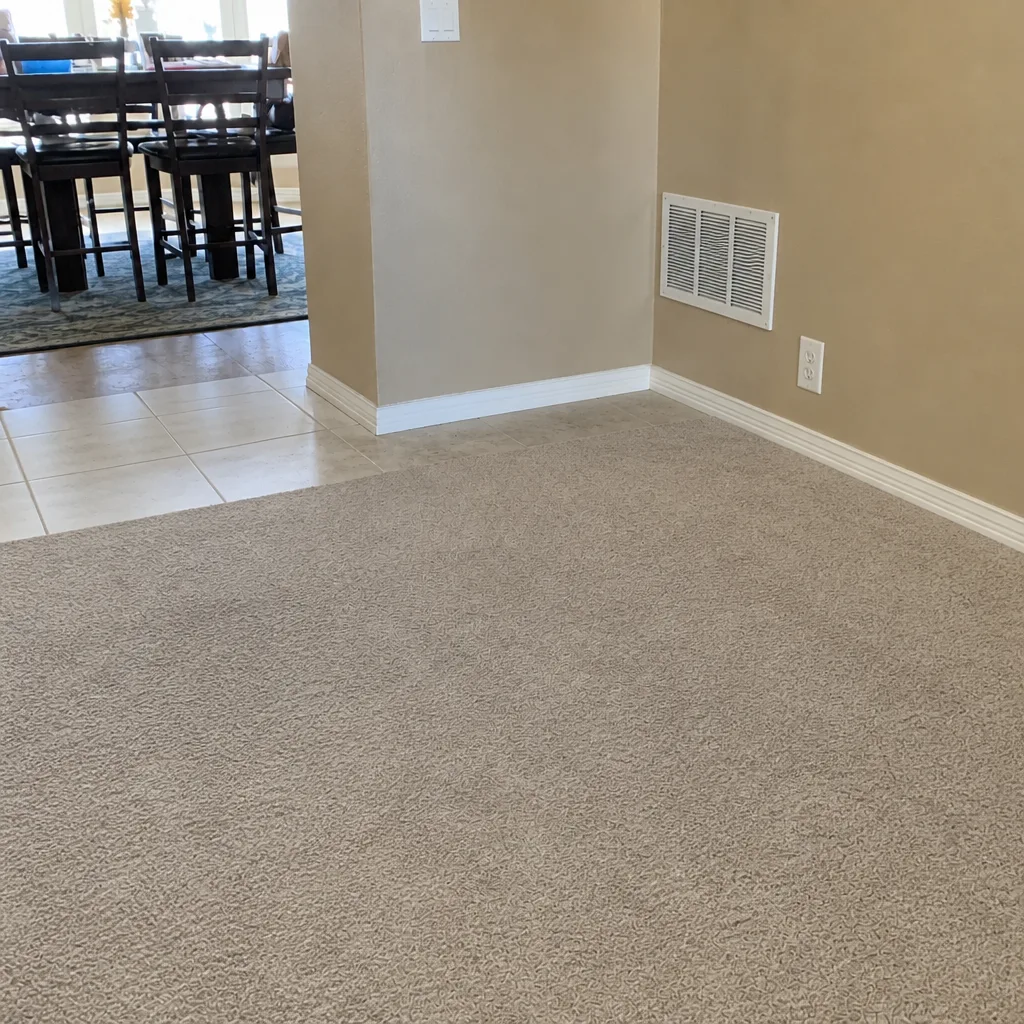
Whole-system duct and dryer vent check with before-and-after photos - you see exactly what came out of your vents
That "$99 whole-house special" is a bait ad - the real number appears once they are in your hallway, or the "clean" is a shop-vac at the register. We photograph the inside of your ducts before and after instead.
Choosing the Right Air Duct Cleaning Brand: A Buyer’s Guide for South Jordan
Most homeowners shopping for duct cleaning compare the wrong things: the number of stars next to a name, the size of a logo, a coupon that disappears once the technician is inside. But equipment brands matter more than most homeowners realize. The professional systems that HVAC contractors and certified duct cleaners specify are not sold at the home center or the janitorial-supply catalog. When a company runs a Rotobrush or an Abatement Technologies negative air machine, that’s a capital decision, not a marketing one. In this guide we translate equipment brand names into benchmarks you can actually evaluate, and we show you how to verify what a South Jordan company really uses before you book. You’ll learn the major equipment categories, the questions that separate real operators from pretenders, and how brands fit into a complete vetting picture.
Styles & brands we work with
- Whole-home duct cleaning
- Dryer vent cleaning
- Camera inspection
- Sanitizing & deodorizing
Quick Answer
The right air duct cleaning brand in South Jordan is a company that can name the equipment it uses, explain the sequence of the cleaning, verify the results with video, and provide a written scope before work starts. Professional equipment from Rotobrush, Nikro, and Abatement Technologies signals a real operational investment. But equipment brand only tells you the tools are capable – you still need to confirm the operator is trained, insured, and willing to show you what came out of your ducts.
Table of Contents
- What Equipment Categories Should a Real Duct Cleaner Own?
- Why Negative Air Machines Matter More Than Vacuum Ratings
- What Rotary Brush Systems Do That Vacuum Alone Can’t
- How Video Inspection Proves the Job Was Done
- Remediation Equipment vs. Maintenance Cleaning Equipment
- Add-On Product Brands: Tested Efficacy or Upsell Theater?
- How to Verify a Company Actually Uses the Brands It Advertises
- Equipment Brand as One Signal in a Complete Vetting Picture
- Common Mistakes to Avoid
- When to Call a Professional
- Frequently Asked Questions
- The Bottom Line
What Equipment Categories Should a Real Duct Cleaner Own?
A legitimate duct cleaning operation needs four categories of equipment operating together. Missing any one of them means the company is doing partial work in South Jordan homes, no matter how confident the website sounds.
The four categories are:
- Negative air machines – high-volume vacuums that pull the whole duct system under negative pressure so dislodged debris travels toward the collection unit instead of into your living room.
- Contact vacuum systems – the handheld HEPA-filtered vacuums used at the register and at the plenum to remove what sits in the accessible portions of the system.
- Rotary brush systems – mechanical agitation tools that break loose adhered debris from duct walls so the negative air machine can capture it.
- Video inspection tools – borescope cameras that let the technician and homeowner see inside the ductwork before and after the clean.
The reason category matters more than any single model is that ductwork holds contamination in more than one form. Loose dust, adhered biofilm, and construction debris each require a different mechanical action. A company with only a shop vacuum and a brush wand will do visible work at the registers and call it complete. That’s how partial cleans get sold to South Jordan homeowners who think they booked a whole-system job.
Ask which equipment is being brought and whether the system is negative-air based. A trained operator will describe the process from the plenum out, and they’ll explain why each tool is used at each stage. If the answer stays at the level of “we clean the ducts,” you’ve learned something.
Why Negative Air Machines Matter More Than Vacuum Ratings
A vacuum rating on a spec sheet is not the same as a negative air setup. The point of a negative air machine is not just suction at the nozzle. It’s that the entire duct system gets pulled under negative pressure during cleaning, so any contamination released inside the ducts is captured by the collection system instead of escaping into the room. On a real job, that’s a health question, not a convenience question.
Three things tell you whether a company is doing negative air properly:
- The machine is staged at the main trunk or plenum, not at a random register near the front door. The connection point is part of the setup, and it should seal.
- The technician seals registers before agitation. Every open register is a leak in the negative pressure envelope. If the technician leaves most of the registers open while brushing, ask why.
- The machine’s filter capture is explained to you. HEPA capture at the exhaust matters in any home, and it matters more in a house with allergies, new carpet, or recent renovation.
Abatement Technologies builds equipment in the air-contaminant control space, and negative air machines in that class are engineered around filtration and capture rather than raw suction alone. That’s a different design philosophy than a shop-vac with a long hose. When you see equipment in that category, it tells you the operator is thinking about what goes out the exhaust, not just what goes up the hose.
South Jordan sits in a valley where winter temperature swings and spring dust work together to load ductwork. Homes near the Daybreak and Oquirrh Lake areas often run the furnace more months of the year than homeowners expect, and each heating season deposits another layer. A negative air system is the only realistic way to remove that accumulated load from the whole system, not just the grilles.
What Rotary Brush Systems Do That Vacuum Alone Can’t
If you’ve ever looked down a supply register and seen a fuzzy grey coating on the inside of the duct, you’ve seen why rotary brush systems exist. Suction alone won’t release adhered contamination. Organic material, pet dander, and the residue left by humidification and normal cooking all form a film on the duct wall. A rotary brush system agitates that film mechanically, breaks it loose, and the negative air machine carries it to the collection filter.
Rotobrush is one of the two most widely recognized names in this category across the HVAC service industry (Nikro is the other). The systems use a flexible brush on a rotating shaft that travels the length of a run. They’re engineered for residential duct configurations – long horizontal runs, tight elbows, transitions from rigid trunk to flex branch. “Built for the work, not borrowed from a warehouse” is the right way to think about it: these tools exist specifically to clean ducts, not to be a general-purpose industrial vacuum repurposed for the job.
What does a rotary brush setup mean for you as a homeowner in South Jordan?
- Contamination adhered to duct walls is actually removed, not just dusted.
- The brush can reach into branch runs that a contact vacuum can’t penetrate.
- The work is verifiable, because the debris ends up in a collection bag or filter you can see.
- The system is designed around residential ductwork, so it doesn’t damage flex duct the way improvised tools can.
Ask whether the technician uses a rotary brush system, and ask to see the brush head or the collection container afterward. A trained operator will walk you through what came out and where it came from. That transparency is the difference between a professional service and a story.
How Video Inspection Proves the Job Was Done
Video inspection is the single most useful tool for a homeowner who’s worried about being told they got something they didn’t get. A borescope camera is fed into a duct run before cleaning and after cleaning. The before segment shows you the actual condition of your ducts. The after segment shows you what changed. In our experience, a company willing to run that sequence has nothing to hide – and a company that won’t is telling you something too.
The inspection process generally goes like this:
- Pre-clean inspection – the technician picks a representative run or two, feeds the camera, and captures footage. You see the actual condition, not a stock photo.
- Cleaning – negative air and rotary brush work proceed with the system sealed.
- Post-clean inspection – the camera goes back in, and you compare before and after on the same run.
- Findings explained – if the ducts show conditions that need repair, sealing, or sanitizing, the technician can point to the footage and explain the recommendation.
This matters more than a lot of homeowners expect in South Jordan. The valley’s dry air and high summer temperatures create conditions where dust settles and static attracts it to duct walls. Winter furnace operation moves that accumulated material back into living space. A video inspection shows what’s actually sitting on those surfaces, and it separates a routine maintenance clean from a system that genuinely needs more attention.
Clean ducts are only half the job if the footage shows gaps, disconnected flex runs, or failed seals. Video inspection is how the technician identifies that a repair is needed, rather than guessing.
Remediation Equipment vs. Maintenance Cleaning Equipment
There’s a large gap between equipment built for routine maintenance cleaning and equipment built for air-contaminant remediation. Both can clean a duct, but they’re designed against different risks. That distinction matters especially for two situations in South Jordan homes: post-water-damage ductwork and post-mold concerns flagged on a home inspection.
Remediation-class equipment typically includes:
- Higher-grade negative air machines designed around filtration and air-change rates rather than raw capacity.
- Sealed containment setups to prevent cross-contamination between zones of the home.
- HEPA filtration on exhaust where the standard maintenance-clean setup may use a lower grade.
- Documented capture and disposal protocols for the removed material.
Abatement Technologies builds equipment in that class. When a company runs those systems, it means the operator has the tools to work on a system that has documented contamination, not just typical household dust. If your ducts were flooded, if a home inspection flagged suspected mold growth inside the air handler or ductwork, or if you’re moving into a South Jordan home that sat vacant through a monsoon season, remediation-class equipment is the right answer.
A maintenance clean performed with maintenance equipment, on the other hand, is fine for a home that just wants routine care. The mistake is assuming they’re the same job. They aren’t. Ask the company which equipment class they’re bringing and why, based on what’s actually in your ducts. The right operator will match the equipment to the condition rather than sell you the same clean for every situation.
Add-On Product Brands: Tested Efficacy or Upsell Theater?
Duct cleaning is sometimes followed by recommendations for add-on products: UV-C systems, duct sealants, antimicrobial treatments, whole-home filtration. The brand behind those products determines whether you’re buying tested efficacy or just a nice-sounding add-on. This is where homeowners in South Jordan get the most value from slowing down and asking direct questions.
Here’s how to separate the real from the theater:
- Filtration and humidity control – Honeywell and Aprilaire both set the standard for whole-home air filtration and humidity control. These are recognized, serviceable, filter-available-locally products. When a company recommends one, it can usually show you the product spec, how it integrates with your air handler, and where the filter is sourced.
- Duct sealants – ask whether the product is rated for the duct material in your home and whether it’s been tested for adhesion and airflow impact. A sealant applied in the wrong context can cause more problems than it solves.
- Antimicrobial treatments – look for products in the Guardsman line rather than generic treatments without a documented formulation. Protective-coating and antimicrobial product standards are the right reference point here. Ask what the product is, what it’s designed to do, and what happens if a family member has sensitivities.
- UV-C systems – these are useful in specific contexts (typically at the coil or in the drain pan), not as a whole-duct treatment. Ask where the lamp is mounted and what it’s actually meant to control.
The company recommending the product should be able to tell you what it is, where it goes, and what problem it solves in your home. Vague references to “air purification” without product names are a sign the recommendation is coming from a sales script, not a technical assessment. We stock nothing on a truck and sell no add-on without matching it to a specific finding in your system.
How to Verify a Company Actually Uses the Brands It Advertises
Any website can list six brand names in a paragraph. That’s SEO, not capability. Verifying that a South Jordan duct cleaning company actually uses the equipment it advertises takes five questions, and a trained operator will answer all of them without hesitation. A pretender will dodge three or four.
Ask these, in this order:
- What’s the negative air setup? – the answer should name the machine and explain how the system is put under negative pressure during cleaning.
- Do you use a rotary brush system, and which one? – expect a specific name. Rotobrush and Nikro are the names to listen for. If neither comes up, ask whether the company owns a brush system at all or sources it from a subcontractor.
- Can you show before and after video of the same run? – this is the single best answer to the “did you actually clean my ducts” question.
- What’s in the collection container at the end of the job? – a real operator will show you. They’ll point to what came out and explain the source.
- What third-party credential or certification does the technician hold? – NADCA certification is the most widely recognized standard in the duct cleaning industry. Insurance verification is separate and just as important: the local pro should be licensed and insured as their state requires, and willing to share evidence.
Legitimate answers sound specific and technical. They include equipment names, they describe sequence, and they connect equipment to condition. Illegitimate answers stay generic (“we use the best equipment,” “we’re fully licensed and insured,” “we’ve been doing this for years”) without any of the follow-up detail that shows a real operation behind the words.
A free estimate is the right place to ask these questions. We answer 24/7 and set up fast dispatch from 7am to 7pm, Sunday through Friday. Call (877) 820-9450 if you want to run through the questions with a technician before booking.
Equipment Brand as One Signal in a Complete Vetting Picture
Equipment brand tells you something important, but it’s not the whole story. A company running the right tools with the wrong process will still produce a mediocre result. The right way to vet a South Jordan duct cleaning company is to layer equipment brand alongside three other signals.
The four signals, in order of weight:
- Equipment brand and category – does the company own and operate professional-grade systems from recognized names like Rotobrush, Nikro, and Abatement Technologies, and can it match the equipment class to the job?
- Process transparency – is the sequence described before work begins? Will the company show before and after video? Is the collection container shown at the end?
- Credential verification – is the technician working under recognized certification such as NADCA, and is the company willing to demonstrate insurance and licensing as their state requires?
- Service breadth answered concretely – does the company offer the five interconnected service lines that a whole-system job requires (Duct Cleaning, Dryer Vent Cleaning, HVAC Cleaning, Duct Repair & Sealing, and Air Quality & Sanitizing), or is it a one-service operation trying to sell you more?
Equipment brand is a proxy for operator training and capital investment. When a company owns a Rotobrush system, it paid for a tool designed for this work specifically, and it trains technicians to run it. That’s a different posture than a company using borrowed or improvised equipment, because the investment only pays off if the operator uses it properly. Same for an Abatement Technologies negative air machine: not a cheap purchase, not a tool you buy unless you plan to use it on real indoor-air-quality work.
In our view of the South Jordan market, the full picture looks like a company that can name its equipment, walk you through the process, show you the results on video, name its certifications, and describe its service lines concretely. When those four pieces line up, you have a company worth booking. When they don’t, the equipment names on the website are decoration.
Common Mistakes to Avoid
- Booking on the coupon price alone. A low advertised price that turns into a larger invoice once the technician is inside is the industry’s worst pattern, and South Jordan homeowners get caught by it every season. Ask for a flat price per system before work begins.
- Assuming “we serve South Jordan” means the trucks and equipment are ready that day. Ask explicitly which equipment is brought and how it’s staged. The answer tells you more than a service-map graphic ever will.
- Accepting a per-vent price. Per-vent pricing encourages shortcuts and leaves most of the system untouched. Insist on whole-system pricing tied to a specific scope of work.
- Skipping the video before-stage. If the technician goes straight to cleaning without showing you the interior of a duct run, you have no baseline for judging the result.
- Confusing “sanitized” with “cleaned.” Sanitizing without cleaning traps contamination under a coating. The correct order is clean, repair if needed, then sanitize if appropriate to the condition.
- Ignoring dryer vent cleaning as a separate job. It’s a distinct service with its own equipment, and it addresses a leading cause of residential house fires. Booking only the duct clean leaves that risk in place.
- Not verifying insurance and licensing. The local pro should be licensed and insured as their state requires, and happy to show you. If they aren’t, walk away before work starts.
When to Call a Professional
Book a professional duct cleaning in South Jordan if any of these apply: you’re moving into a home that sat vacant through the summer dust season, a recent renovation sent drywall or sawdust through the return, an HVAC replacement exposed visible contamination in the plenum, a home inspection flagged concerns inside the ductwork, or a household member’s allergies have gotten worse through the heating season. Post-water-damage situations and any suspected mold in the air handler require remediation-class equipment, which is a different job than routine cleaning. Dryer vent cleaning is worth booking separately if you haven’t verified the vent in a while. South Jordan Air Duct Cleaning offers free estimates in South Jordan, and the technician will walk you through which of the five service lines fits your situation. Call (877) 820-9450. We answer 24/7. Fast dispatch from 7am to 7pm, Sunday through Friday.
Frequently Asked Questions
Whole-system air duct cleaning in South Jordan typically runs in the mid-hundreds of dollars for a standard residential system, and duct repair, sealing, or sanitizing as separate service lines carry their own estimates once the condition is confirmed on video. Pricing depends on the number of runs, accessibility, and whether the job is routine maintenance or remediation class. We don’t quote per vent and we don’t run teaser pricing; the written estimate sets the final price after the scope is clear. Call (877) 820-9450 for an exact quote – estimates are free.
Cheaper quotes usually reflect one of three things: partial-system work sold as full-system cleaning, missing equipment (no rotary brush, no negative air machine, no video), or a price that grows after the technician arrives. A quote in the low double digits is almost always a coupon for a partial service, not the whole job. The real test isn’t the price on the website; it’s whether the offer is a flat price per system agreed before work begins, with before-and-after video of your own ducts to confirm it. Call (877) 820-9450 if you want a written estimate to compare against others.
Ask for video before and after of the same duct run, and ask to see the collection container at the end of the job. If a company runs a borescope pre-clean and post-clean and walks you through what changed, and if the collection filter is opened in front of you, you have direct evidence. If neither of those happens, you’re relying on a verbal report. Before-and-after photos of your own ducts are the standard to hold a company to. Call (877) 820-9450 and we’ll explain what the inspection process looks like on your system.
Most homes in South Jordan benefit from a professional clean every few years, with the interval shortening if there are pets, recent renovations, allergy concerns in the house, or a home that’s run the same furnace through many heating seasons without service. There’s no universal number of years, and any company quoting one without looking at your system is guessing. Video inspection at the time of service is the right basis for the recommendation. Call (877) 820-9450 for a free estimate and a video walkthrough of your ductwork.
Rotobrush and Nikro are the two most recognized names in residential rotary brush systems, and Abatement Technologies is the reference point for remediation-class negative air equipment. Hearing those names on a call is a positive signal; it’s stronger if the operator can explain how each is used on a job. What matters is that the company names its equipment, describes the sequence, and offers video verification. Any company can list brands on a website – the questions on the call are what separate real operators from advertisers. Call (877) 820-9450 to run through the questions with our team.
Yes, and the difference is measurable. A company with only a contact vacuum and a brush wand cleans the visible portions of your ductwork. A company running a negative air machine plus a rotary brush system cleans the whole system and captures what it removes. The equipment difference is what determines whether adhered contamination on the duct walls actually comes out. Rotobrush, Nikro, and Abatement Technologies systems are built for that work. Call (877) 820-9450 if you want to talk through what your system needs.
The Bottom Line
Air duct cleaning in South Jordan is not a commodity purchase, even if the websites look identical. The brands a company runs tell you what it invested in, what it trained for, and what it can actually accomplish inside your ductwork. Rotobrush and Nikro signal residential rotary brush capability. Abatement Technologies signals remediation-grade thinking. Honeywell and Aprilaire set the standard for the whole-home filtration and humidity work that follows a clean. Use those names as your first filter, then judge the company on process, video verification, credentials, and whether it can lay out all five service lines concretely. When those line up, you’re booking the right operator.
Ready to talk it through? Call (877) 820-9450 for a free estimate on any of our five services – air duct cleaning, dryer vent cleaning, HVAC cleaning, Duct Repair & Sealing, or Air Quality & Sanitizing. We answer 24/7. Fast dispatch from 7am to 7pm, Sunday through Friday. For an overview of everything we do across South Jordan Air Duct Cleaning, start there and we’ll route you to the right service.
Written by the team at South Jordan Air Duct Cleaning.
See the difference
 Before
 After
 Before
 After
 Before
 After