
Last updated November 25, 2026
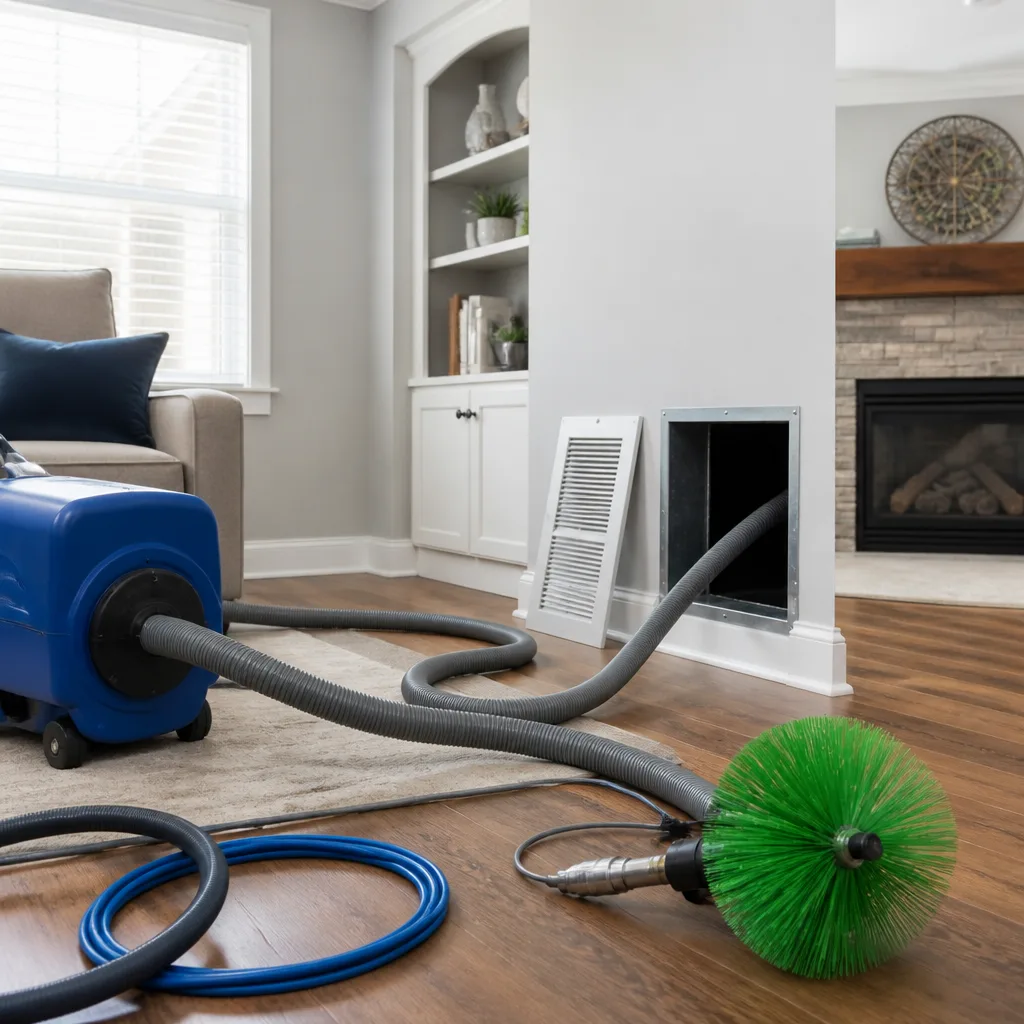 Whole-home duct cleaning
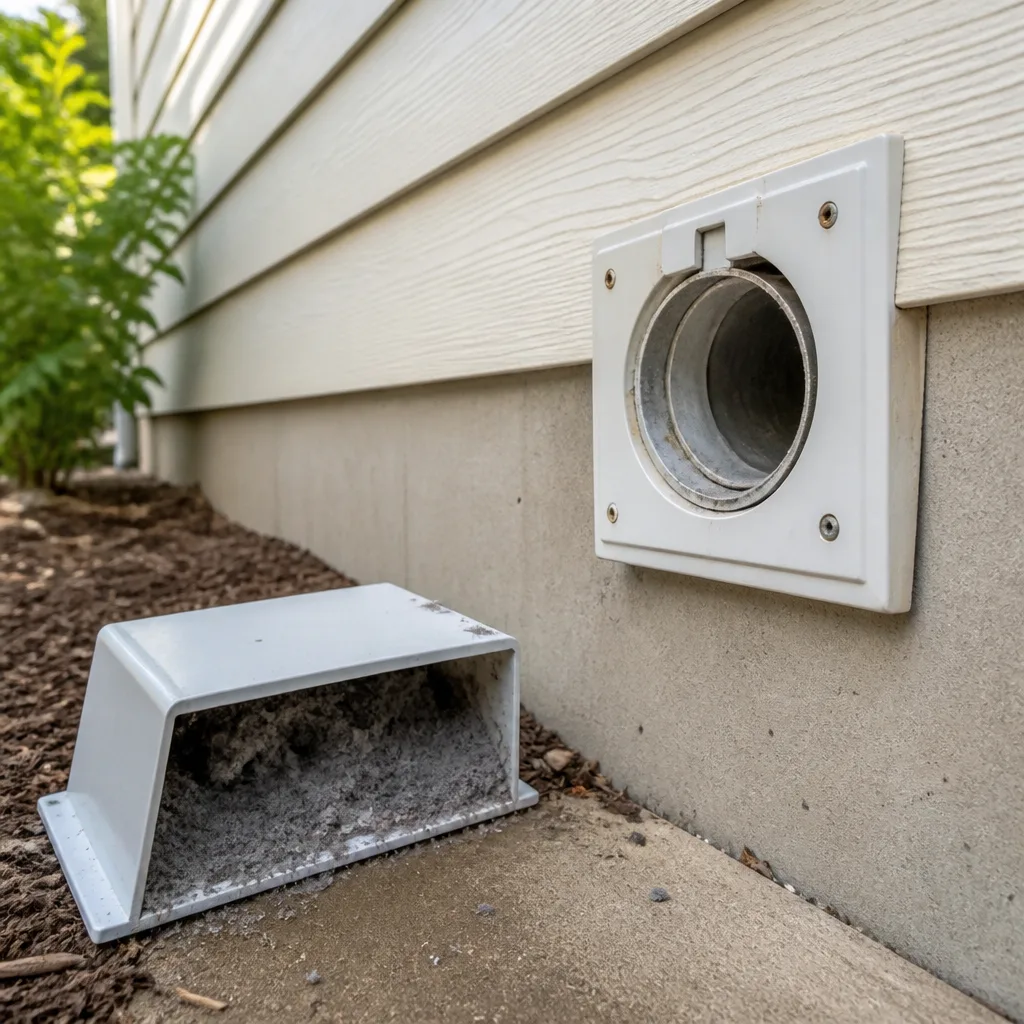 Dryer vent cleaning
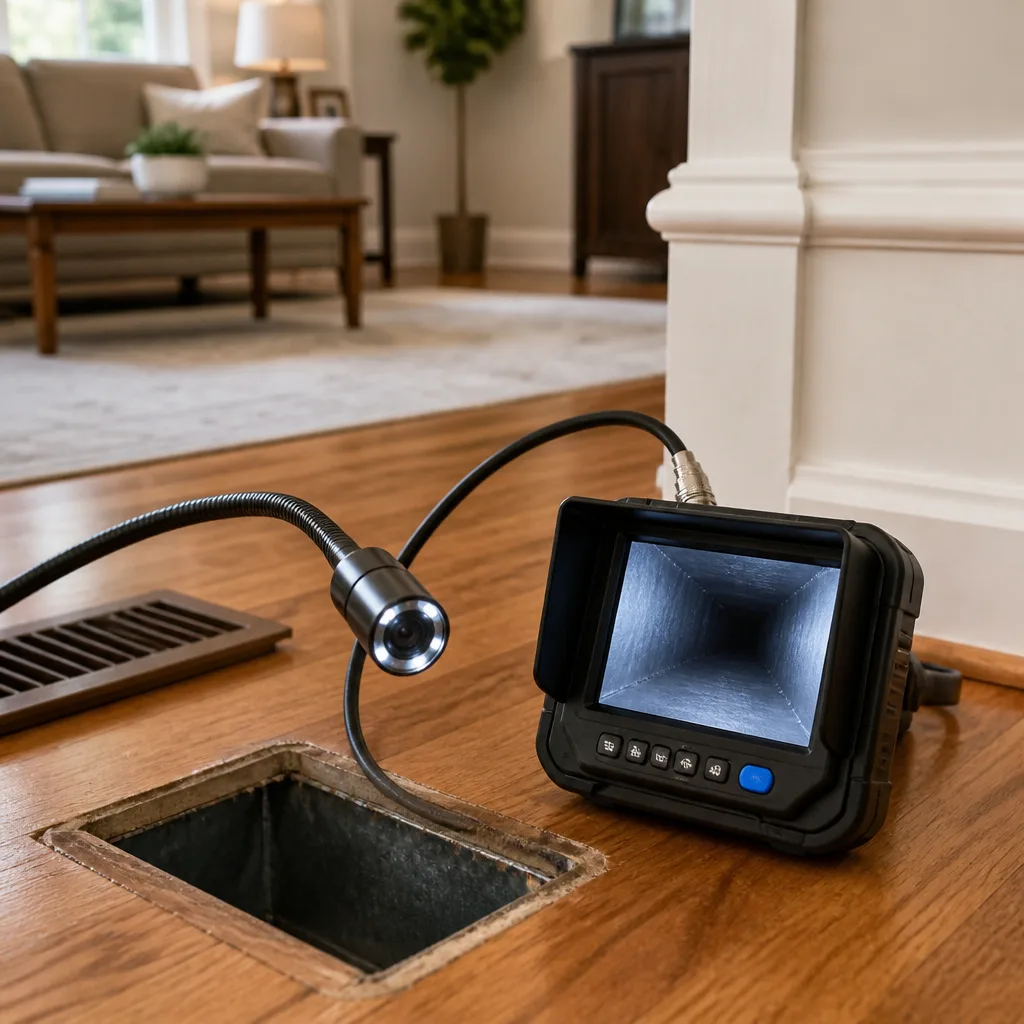 Camera inspection
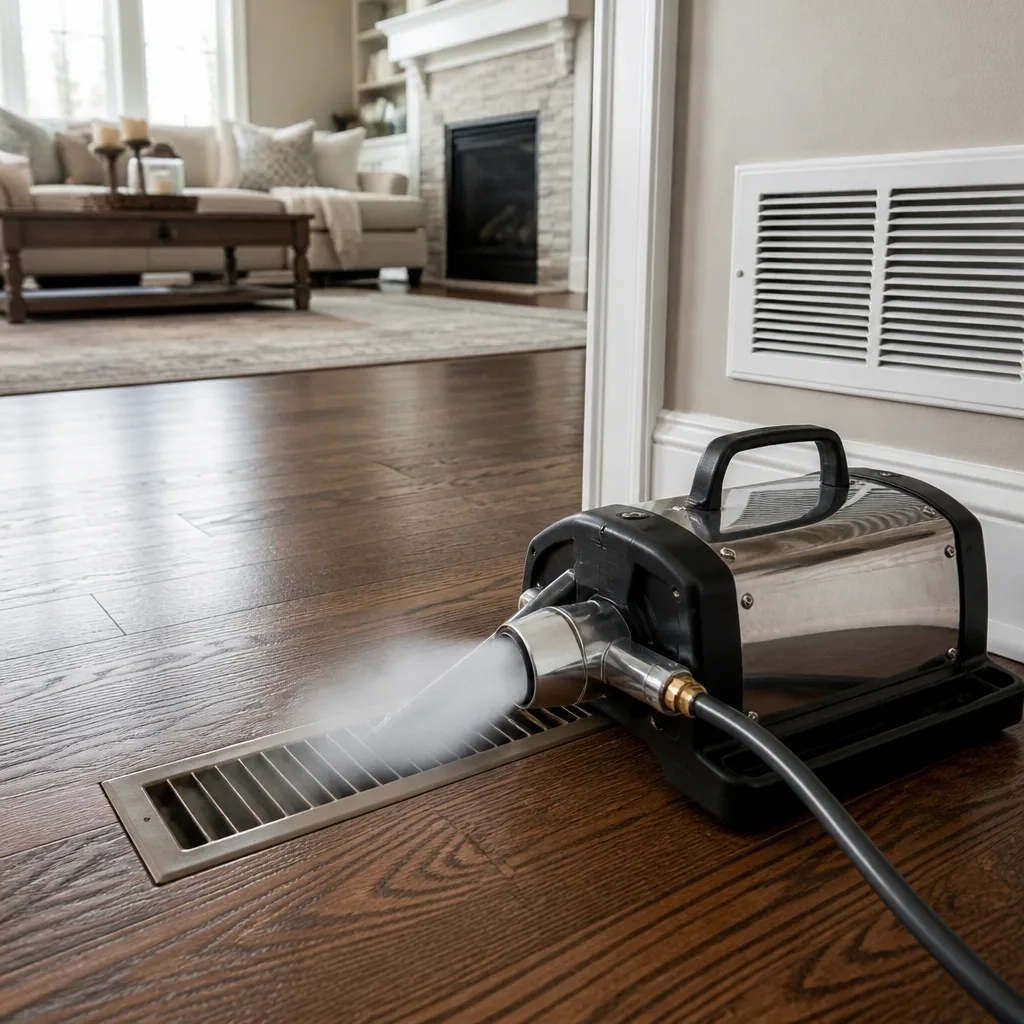 Sanitizing & deodorizing
Whole-system duct and dryer vent check with before-and-after photos - you see exactly what came out of your vents
That "$99 whole-house special" is a bait ad - the real number appears once they are in your hallway, or the "clean" is a shop-vac at the register. We photograph the inside of your ducts before and after instead.
How to Hire an Air Duct Cleaning Contractor in South Jordan: A Step-by-Step Guide
Most homeowners in South Jordan hire a duct cleaner the same way they hire a landscaper: they collect three quotes and pick the middle one. That works for a driveway. It doesn’t work for the air your family breathes every night, because the duct cleaning industry has almost no gatekeeping. Anyone can print a business card, buy a used vacuum, and call themselves a duct cleaning professional. The equipment and the process are what separate a legitimate full-system operator from a sales pitch with a hose attached. This guide gives you the exact vetting framework working professionals use on each other, broken into five-minute questions you can ask before anyone touches your system in South Jordan.
Quick Answer
Hiring an air duct cleaning contractor in South Jordan means verifying three things before you sign anything: the equipment (a truck-mounted or high-CFM portable negative air machine, plus a mechanical brush system like Rotobrush or Nikro, not a shop vac), the process (a full pre-job system assessment and a written scope of work, not a per-vent estimate over the phone), and the credentials (NADCA membership, ACR standard compliance, and proof of general liability coverage). Get written answers to those three and you’ve separated real operators from the rest.
Styles & brands we work with
- Whole-home duct cleaning
- Dryer vent cleaning
- Camera inspection
- Sanitizing & deodorizing
Table of Contents
- Why the Burden of Verification Falls on You in South Jordan
- The Equipment Questions That Disqualify a Bidder on the Spot
- What NADCA Membership and ACR Compliance Actually Mean for the Job
- What a Legitimate Pre-Job Walkthrough Looks Like
- Red Flags Hidden in Pricing Structures
- What the Written Scope of Work Must Include Before You Sign
- What to Ask After the Work Is Done
- Six Contractor Behaviors That Should End the Conversation
Why the Burden of Verification Falls on You in South Jordan
The EPA has explicitly warned consumers that the majority of air duct cleaning companies do not follow industry-accepted standards. Read that again. It doesn’t say some, or a few bad apples. It says the majority. There is no state licensing category for duct cleaning in Utah, no certification board that can revoke a hack’s right to advertise, and no inspection program that checks the work after the crew leaves. The homeowner is the entire quality-control system.
That’s a bigger deal in South Jordan than it is in a wetter, older climate, and here’s why. Homes along the Wasatch Front run their furnaces hard for months, then switch straight into a long cooling season without much transition. That heavy cycling pulls a steady volume of fine dust, drywall dust from new builds, and whatever blows off the Oquirrh foothills into return-air grilles. Newer subdivisions in Daybreak and the neighborhoods around the South Jordan Towne Center were finished in the last decade or two, and construction debris – drywall dust, wood shavings, packaging scraps – regularly ends up in the trunk lines during the build. A crew that vacuums each register for ten minutes doesn’t touch the trunk. It looks clean at the vent and the contamination stays where it started.
The point of this guide isn’t to be cynical about the trade. Plenty of good operators work in South Jordan. The point is that you have no way to tell them apart from the bad ones unless you ask the right questions, and those questions are short, specific, and impossible to fudge on the spot. Here they are.
The Equipment Questions That Disqualify a Bidder on the Spot
Equipment is the fastest filter you have. A professional duct cleaning rig is a meaningful capital expense; a box store shop vac is not. The gap in cost shows up immediately when you ask what’s coming into your house.
Ask these five questions in this order. The answers should be smooth and immediate. Hesitation is itself an answer.
- “Is it a truck-mounted vacuum or a portable?” A truck-mounted or high-CFM portable negative air machine is the professional standard. It maintains negative pressure in the duct system so dislodged debris gets pulled out of the house, not pushed into your living room. “We use a shop-grade vac” means it’s a surface cleaning, not a system cleaning.
- “What’s the CFM rating?” CFM (cubic feet per minute) is the measure of suction power. A legitimate operation knows the number off the top of their head. A bidder who can’t tell you what their machine pulls is either running a small portable unit or doesn’t know their own tools.
- “What kind of brush system?” Rotobrush and Nikro are the two leading lines in professional duct cleaning. Rotobrush is a rotary brush and vacuum combination that scrubs the inner wall of the duct. Nikro uses mechanical agitation with a high-capacity negative air unit. Both are built for the work, not borrowed from a warehouse. If the answer is “a brush on a flexible rod” with nothing else behind it, you’ve found the wrong crew.
- “Are you using an air compressor or contact vacuum inside the registers?” The answer should be a combination – agitation (brush or air whip) to loosen the debris, then vacuum extraction to remove it. One without the other is half a job.
- “Do you carry an air-quality contaminant control setup?” Abatement Technologies equipment is the same category of tools used in professional mold and contaminant remediation work. A crew that carries this gear thinks in terms of containment and cross-contamination, not just vacuuming a duct.
If a bidder can answer all five, you’re dealing with a professional. If they can’t answer two or more, the bid is disqualified. That’s the whole test. It takes less than five minutes and it eliminates the majority of the cheap quotes you’ll collect in South Jordan.
What NADCA Membership and ACR Compliance Actually Mean for the Job
NADCA (the National Air Duct Cleaners Association) publishes the ACR standard – the recognized industry standard for assessing and cleaning HVAC systems. Membership and ACR compliance aren’t a logo on a truck. They describe how the job should physically go, and you can check whether the contractor follows the standard or just paid dues.
Here’s what ACR compliance looks like in the field. You don’t need to read the standard; you just need to see these things happen.
- Source removal, not encapsulation. The ACR approach is to remove the contamination from the system, not coat it in place and call it clean. If a contractor’s primary tool is a fogger or a chemical spray, that’s the wrong approach.
- Negative pressure throughout. The vacuum runs before any brush or air whip starts, and stays on until the job is finished. A crew that agitates first and vacuums later is spreading debris.
- Component-by-component cleaning. The ACR standard applies to the whole system – supply trunks, return trunks, registers, plenum, blower, evaporator coil. Cleaning just the visible branch lines and skipping the trunk is a partial job.
- Post-job inspection before the crew leaves. A compliant crew inspects the ductwork – typically with a camera – after cleaning and before they pack up. A crew that packs up and asks for a check without inspecting has no idea whether the job is done.
- Written documentation of the work performed. A professional binder or emailed report, not “trust us, it’s clean.”
If a South Jordan contractor claims ACR compliance but can’t describe any of the above, the claim is marketing. The standard is real; the commitment to it is what matters.
What a Legitimate Pre-Job Walkthrough Looks Like
A professional doesn’t quote a duct cleaning job without looking at the system. That’s the single most reliable tell in the industry. A legitimate contractor walks your home, opens the mechanical closet, inspects the air handler, checks the return plenum, and looks at the condition of the branch ducts before naming a price. This takes 15 to 20 minutes and it’s free.
Here’s what the walkthrough should include, in order:
- Count and identify every register and return. A professional writes them down. Not “about twelve.” The actual count.
- Inspect the air handler and blower compartment. Is the blower wheel dirty? Is there standing water or biological growth in the pan? This tells the contractor whether the job is cleaning or something more.
- Look inside a return grille with a flashlight and camera. Not just the register fins – the duct behind it.
- Check the filter and filter housing. A clogged or wrong-size filter changes the whole picture.
- Assess the supply trunk and every accessible section. Where can the vacuum connect? Are there inaccessible runs that need a different approach?
- Ask about your HVAC history. How old is the system? Any recent renovations? Any water intrusion or pest activity?
- Hand you a written scope and a written price before starting anything.
A contractor who skips the walkthrough and quotes over the phone is guessing, and the guess will be either too high (to cover the surprise) or too low (and revised on-site). Neither is a fair price. When our team quotes a job in South Jordan, the walkthrough is what sets the number – not a per-vent formula.
Red Flags Hidden in Pricing Structures
The pricing structure tells you more about a contractor’s incentives than the total on the quote. Flat-rate-per-vent pricing is the biggest one to watch, because it pays the crew for speed instead of thoroughness. Twenty vents at $40 each means the crew wants to finish in 90 minutes and get to the next house. A crew that charges per system, after assessment, has every reason to do the whole system properly.
Here’s what to look for in a written estimate:
- Per-vent pricing. Flags the volume model. Ask them what happens if the trunk line behind the vent is full of debris – is it included, or is that an upcharge the moment the crew looks inside?
- Teaser coupons. A $49 “whole-house duct cleaning” ad cannot pay for a truck-mounted vacuum, two technicians for several hours, and a real inspection. The coupon is a foot in the door. Once the crew is on the property, the “recommended treatments” begin.
- “Add-on” sanitizing, sealing, and repair priced separately after arrival. Some of these are legitimately extra work. Some are pitched on every single job regardless of condition. Ask what the price is to add each one up front, in writing.
- Pressure to sign today for a discount. Manufactured urgency is a sales tactic, not a pricing structure. Legitimate work doesn’t disappear if you sleep on it.
- No written scope. A phone quote with a rough figure and “we’ll see what we find” is not a price. It’s a place to start the upcharge.
- Cash-only and no receipt. Obvious, but it still happens in South Jordan. A professional takes a normal payment and provides documentation.
Our own model is one flat price per system, agreed before work starts, backed by before-and-after photos of your own ducts. Not because we’re noble – because it’s the only pricing structure that reflects what a full-system job actually involves and it eliminates the bait-and-switch dynamic entirely. Ask any bidder to show you their before-and-after photos from a similar job. A real operation has them.
What the Written Scope of Work Must Include Before You Sign
The written scope of work is your protection. If it isn’t in writing, it isn’t happening, and any omission is a liability gap you carry. In South Jordan, where there’s no licensing board to call after a bad job, the scope document is the only thing standing between you and a crew that vacuums four vents and calls it done.
Before you sign, check that the scope includes all of these:
- The exact components to be cleaned. Supply trunks, return trunks, registers, plenum, blower, evaporator coil – named individually. “Duct system” alone is too vague.
- The number of registers and returns to be serviced. Counted, not “approximately.”
- The equipment to be used. Truck-mounted or portable negative air machine, brush system, and CFM rating.
- The treatment of any contamination found. If mold, pest activity, or construction debris is present, how is it handled, and at what additional cost (if any)?
- The condition of the ductwork as found. If there are disconnected runs, crushed flex sections, or leaks, the scope should note them. This is where repair and sealing come in – and a legitimate contractor finds this during the walkthrough, not after the vacuum is running.
- The documentation you’ll receive. Before-and-after photos, written summary, and any inspection results.
- Payment terms. When, how much, and on what trigger.
- A statement of insurance coverage for the crew on-site. Ask for a certificate of insurance – general liability, at minimum.
The omissions to worry about most: no mention of the trunk lines (cleaning only branches is a partial job), no mention of what happens if contamination is found (leaves you open to an on-the-spot upcharge), and no documentation agreement (no proof the work was completed). Any of those gaps should pause the conversation.
What to Ask After the Work Is Done
The job isn’t finished when the crew packs up the vacuum. It’s finished when you have verified the work. This is the step most homeowners skip, and it’s where the good operators separate themselves further.
Ask for these before final payment:
- A camera inspection of the cleaned ductwork. Before-and-after photos or video, taken inside the trunk and branch lines. Not just the register grille.
- A written summary of what was cleaned, what was found, and what was recommended. If repair or sealing was recommended, the summary should say why.
- Confirmation that the HVAC system was tested after cleaning. The blower should be running normally, registers should have full airflow, and drains (if applicable) should be clear.
- Filter status. A clean system with a clogged filter re-contaminates within weeks. Ask whether the filter needs replacing and what MERV rating is right for your system.
If you’re concerned about ongoing air quality, this is also when to talk about filtration. Honeywell and Aprilaire make recognized whole-home filtration and humidity-control systems that can be serviced as part of a routine maintenance cycle; a professional who works with those lines can recommend and service them without forcing a decision on the spot. Our team does this as part of the air quality and sanitizing portion of the job when it’s appropriate – not as a default add-on.
Six Contractor Behaviors That Should End the Conversation
You’ll know within five minutes of meeting a crew whether they’re the real thing. These are the behaviors that end the call immediately, regardless of price.
- They won’t come to look before quoting. A phone quote for duct cleaning is a guess dressed up as a price. If they won’t spend 15 minutes in the house, they won’t spend four hours inside the ductwork either.
- They quote per vent on the phone. Volume model. See the pricing section above.
- They pressure you to “reserve today” for a lower price. Urgency is a sales tool. Real work is scheduled, not bought on impulse.
- They use a shop vacuum and call it a truck-mounted system. Ask to see the equipment. A real truck-mounted or high-CFM portable unit is not portable in the shop vac sense – it’s a rig, and it takes setup time.
- They can’t tell you what NADCA or ACR stand for. Two minutes of research would tell them. If they can’t be bothered, they don’t follow the standard.
- They offer sanitizing before they’ve looked inside. Sanitizing is a treatment applied after cleaning, when the source of contamination has been removed. When our team quotes the air quality and sanitizing step, it’s after the system inspection – not as a default add-on priced before the vacuum is even connected. A contractor who quotes “sanitizing included” before seeing your ducts is selling a fogger, not a cleaning.
The South Jordan market is competitive enough that a bad contractor has a short shelf life – but not short enough that you won’t run into one. Ask the questions, get the scope in writing, and the odds of a bad outcome drop to near zero.
Common Mistakes to Avoid
- Picking the middle bid without checking equipment. Three quotes tell you what people are charging. They tell you nothing about what’s coming into your house. The middle bid could be a shop vac and a hose. Verify equipment first, price second.
- Assuming new construction means clean ducts. Daybreak and the newer South Jordan subdivisions were built fast, and construction debris – drywall dust, framing scraps, packaging – ends up in trunk lines during the build. In our experience, some of the dirtiest duct systems in the area are in homes less than ten years old.
- Treating cleaning and repair as separate decisions. If the walkthrough finds crushed flex, disconnected runs, or leaking joints, cleaning without sealing is a waste. The clean air you just paid for gets pulled into the crawlspace through the gaps and never reaches the living room. Duct repair and sealing belong in the same conversation as cleaning.
- Skipping the walkthrough because the quote seemed reasonable. A fair-sounding price from a contractor who never saw the system is a fair-sounding number, not a fair price. It will change on-site.
- Not asking about the dryer vent. Dryer vent cleaning is a separate, safety-critical job, and a legitimate full-system contractor will offer to inspect it during the walkthrough. Many of the “duct cleaning” crews in South Jordan don’t touch dryer vents at all – and clogged dryer vents are a leading cause of residential house fires.
- Accepting sanitizing as an automatic add-on. Sanitizing has a place – after mold or pest contamination, after a renovation, in a home with persistent odors. It has no place as a default line item added to every job before the system is even inspected.
- Ignoring the HVAC system itself. Ductwork is one part of the air delivery system. If the blower wheel is caked with dust, the evaporator coil is fouled, or the plenum is full of debris, the ducts alone won’t fix the air quality. A full-system operator cleans the whole system in one visit.
See the difference
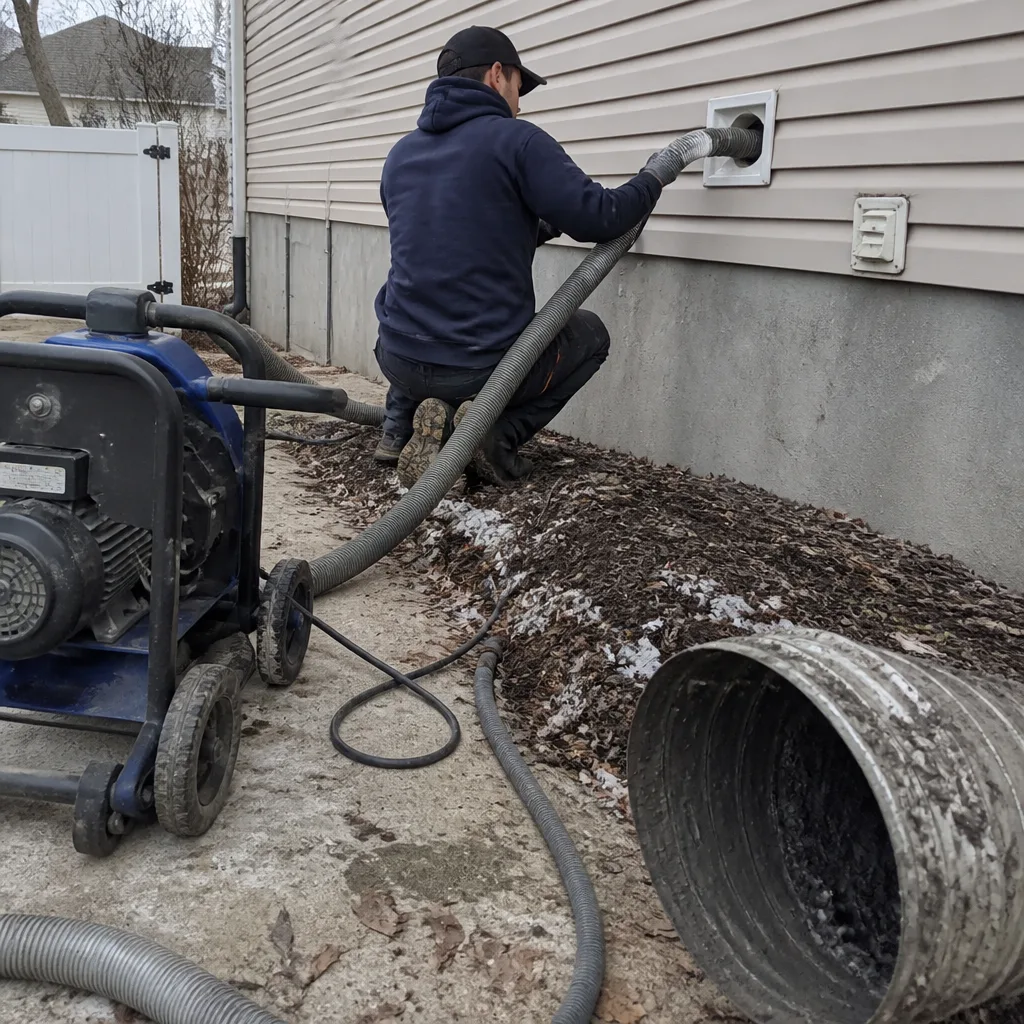 Before
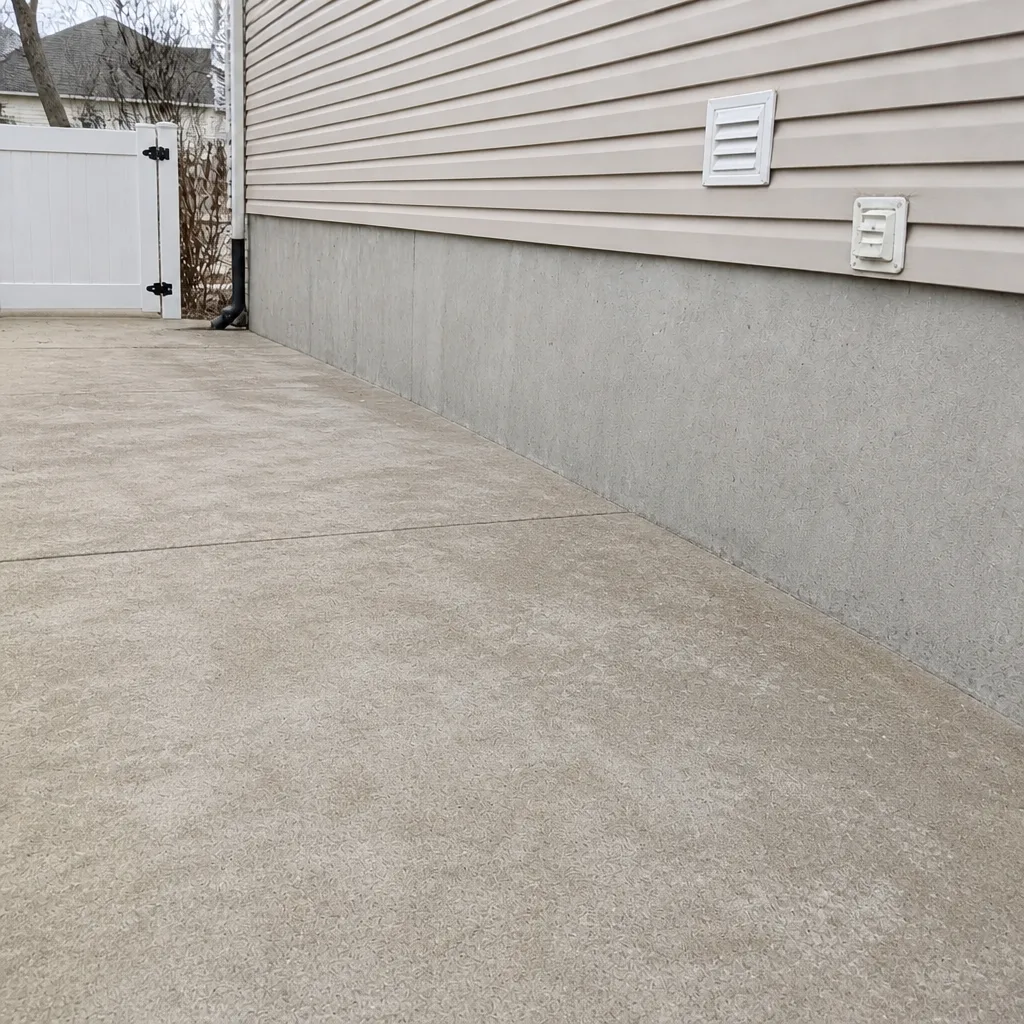 After
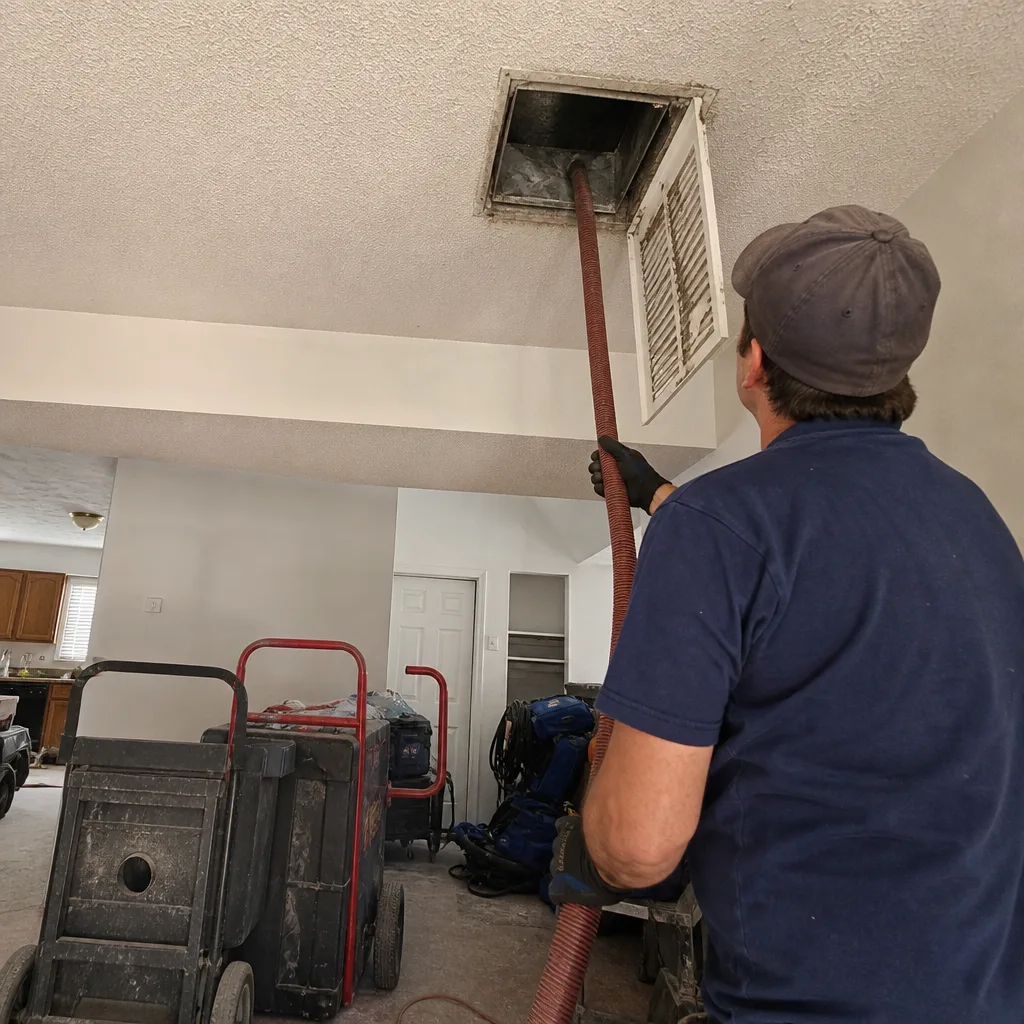 Before
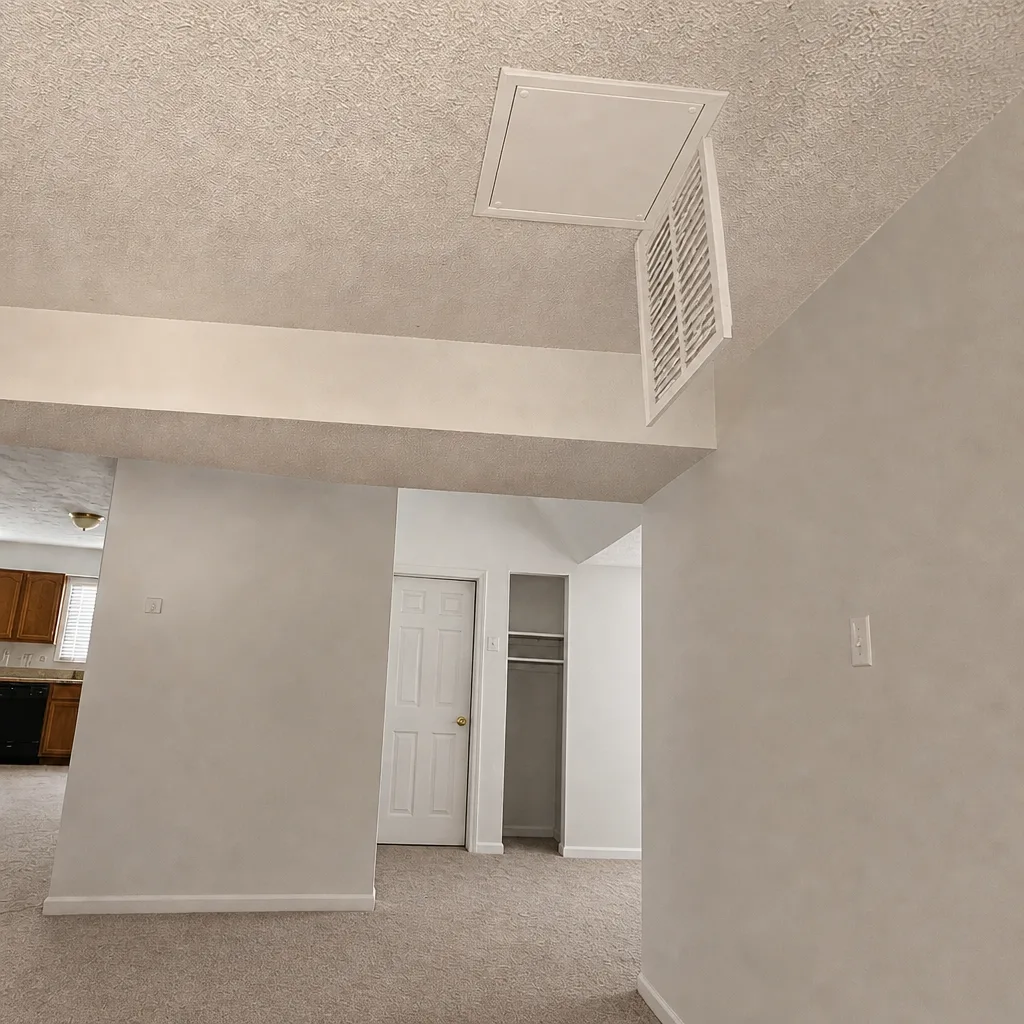 After
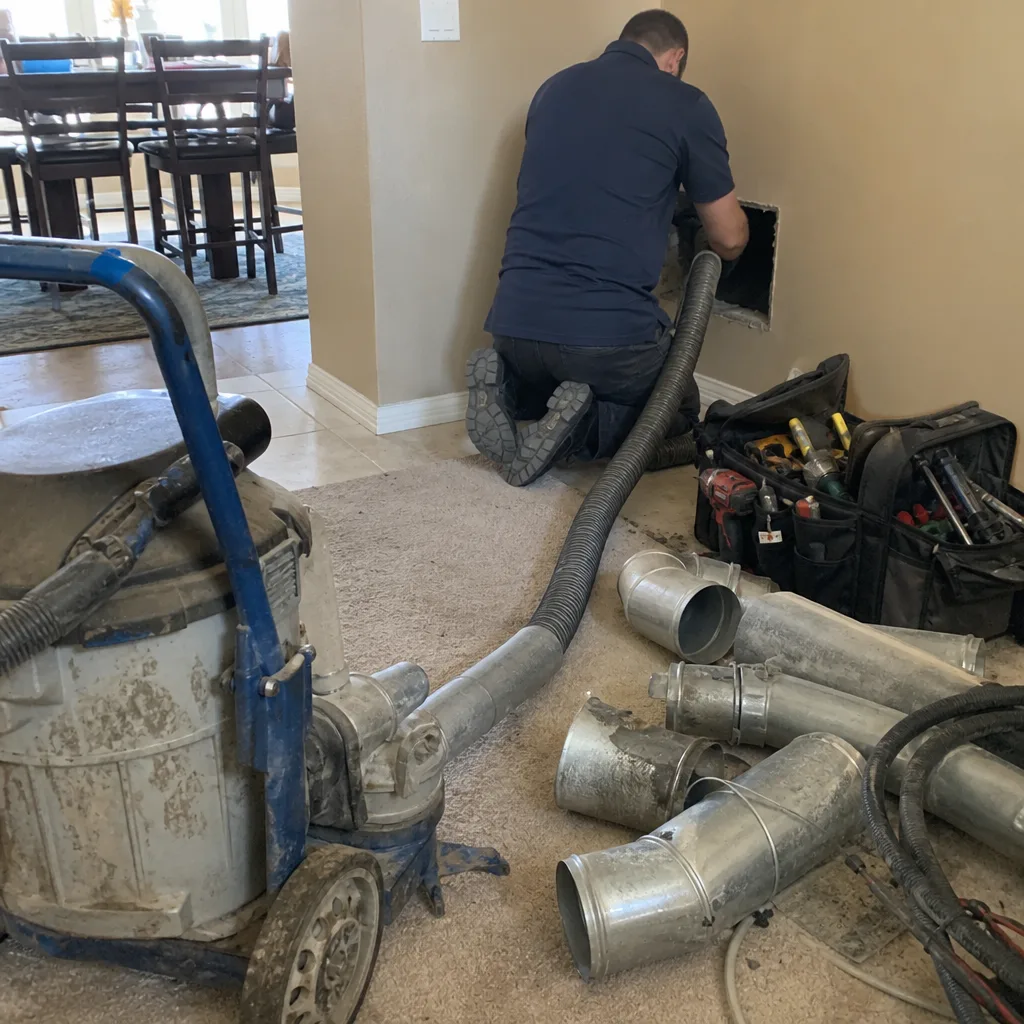 Before
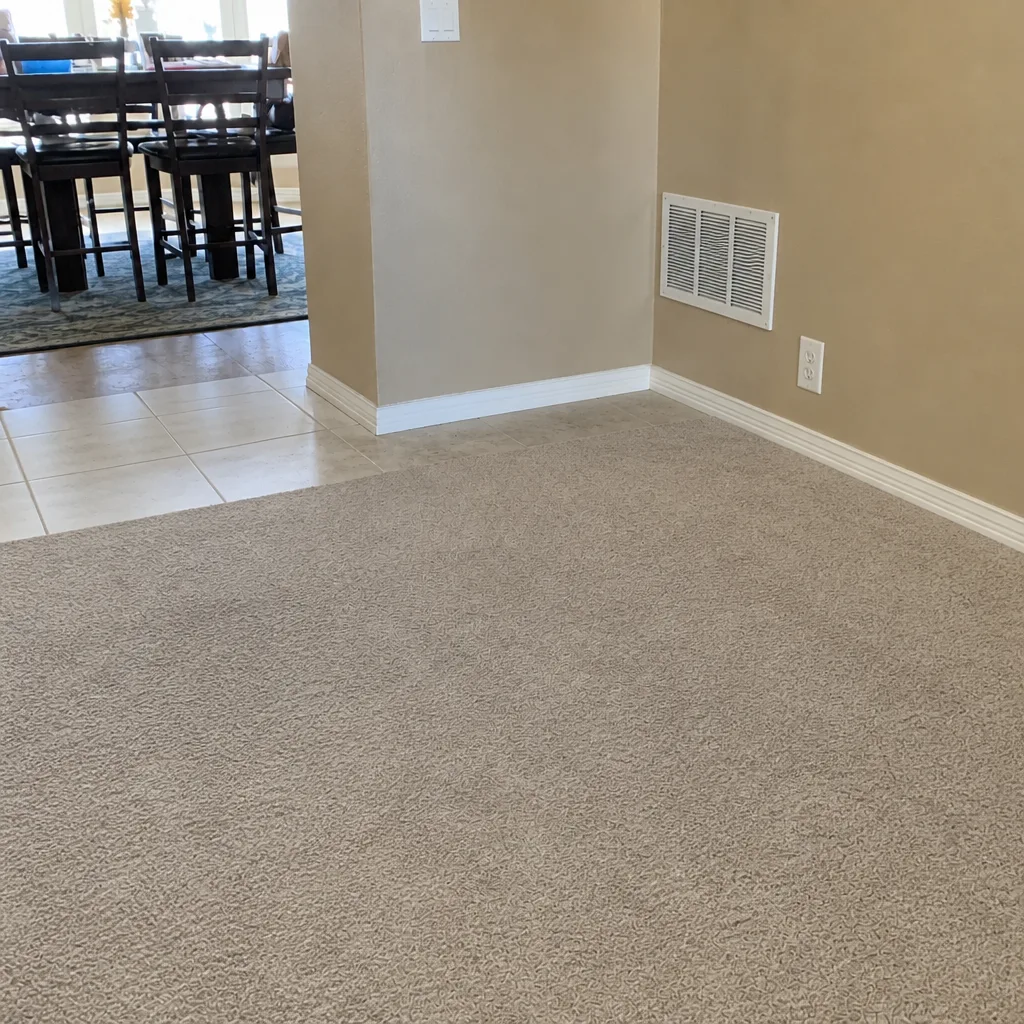 After
When to Call a Professional
Some jobs are obvious. Visible debris blowing out of registers, a musty smell that appears when the system runs, or a recent renovation that sent drywall dust through the return lines are all clear signals to call an air duct cleaning professional in South Jordan. Others are quieter: allergies that worsen indoors, a furnace filter that fills up within weeks instead of months, a home inspector’s report flagging debris in the trunk lines, or a system older than fifteen years that’s never been cleaned. If you’ve bought a house recently and can’t confirm the ducts were ever serviced, a professional assessment is a reasonable first step. And any sign of water intrusion or biological growth in the duct system deserves a proper inspection by a trained technician, not a fogger. South Jordan Air Duct Cleaning offers free estimates in South Jordan – call (877) 820-9450 to schedule a walkthrough.
Frequently Asked Questions
Air duct cleaning in South Jordan typically runs in the range of $300 to $700 for a standard whole-house system, depending on the number of registers, the length of trunk lines, and whether repair or sanitizing is added. The written estimate after the walkthrough sets the final price – nothing is added on-site. Call (877) 820-9450 for an exact quote; estimates are free.
Because they’re not for the same work. A quote in the low hundreds usually reflects a per-vent pricing model, a portable shop vacuum instead of a truck-mounted or high-CFM negative air machine, and a scope that cleans the visible branch lines but skips the trunk. The cheap quote is the down payment; the real number arrives once the crew is on-site. Ask for the equipment, the scope, and a written per-system price before you compare quotes at all. Call (877) 820-9450 – estimates are free.
Ask for a camera inspection of the cleaned ductwork – before-and-after photos taken inside the trunk and branch lines, not just the register grilles – plus a written summary of what was cleaned. A legitimate operator has no objection to either. If a contractor can’t or won’t document the job, that’s the answer. Call (877) 820-9450 for a walkthrough and a written scope.
Most South Jordan homes don’t need annual cleaning. Every three to five years is typical for a home with pets, moderate dust, and a routine filter change. Shorter intervals make sense after a renovation, after moving in, or in homes with allergy concerns or an older HVAC system. A professional can tell you at the walkthrough whether your system actually needs it.
It’s important if the contractor follows the ACR standard in practice – source removal, continuous negative pressure, component-by-component cleaning, and post-job inspection. The logo alone means nothing; the process behind it is the whole point. Ask the contractor to describe their process, and you’ll know within two minutes whether the membership is real.
Duct cleaning removes contamination from the ductwork – the trunks and branch lines that carry air. HVAC cleaning addresses the equipment itself – blower wheel, evaporator coil, plenum, and air handler. They’re separate service lines because the tools and the process are different, and the best approach is to clean the full air delivery system in one visit rather than one component at a time. Call (877) 820-9450 to schedule a walkthrough that assesses both.
The Bottom Line
Hiring an air duct cleaning contractor in South Jordan is a five-minute filtering exercise, not a pricing exercise. Ask about the equipment (truck-mounted or high-CFM portable, Rotobrush or Nikro brush system, CFM rating). Ask what the walkthrough includes and whether a written scope is provided before work begins. Ask how the contractor handles contamination when it’s found. The answers tell you everything a price can’t. A legitimate full-system operator will clean, inspect, repair and seal, sanitize, and check the dryer vent – and put all of it in writing before the vacuum starts. South Jordan Air Duct Cleaning is built for exactly that: professional-grade equipment, one flat price per system agreed before work starts, and before-and-after photos of your own ducts. Call (877) 820-9450 for a free estimate. We answer 24/7. Fast dispatch from 7am to 7pm, Sunday through Friday.
Written by the team at South Jordan Air Duct Cleaning.