
Last updated November 25, 2026
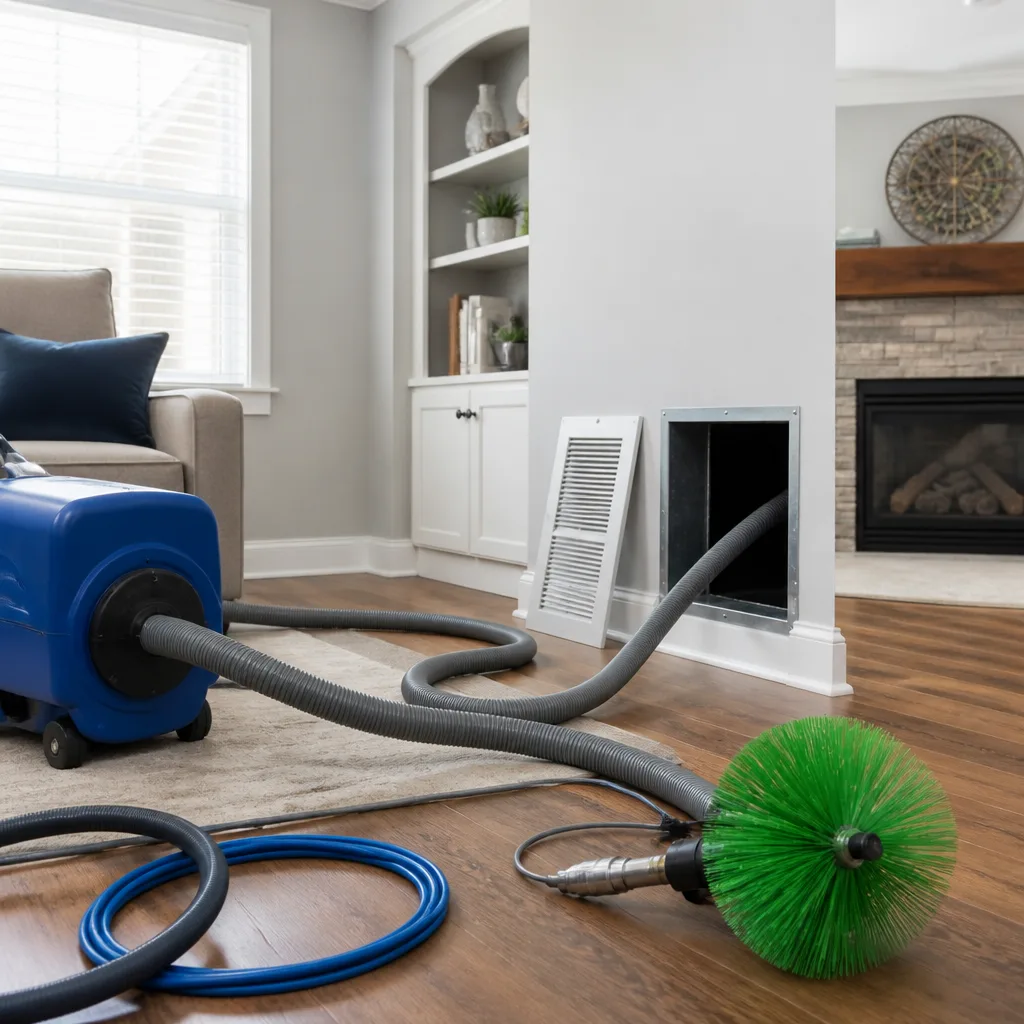 Whole-home duct cleaning
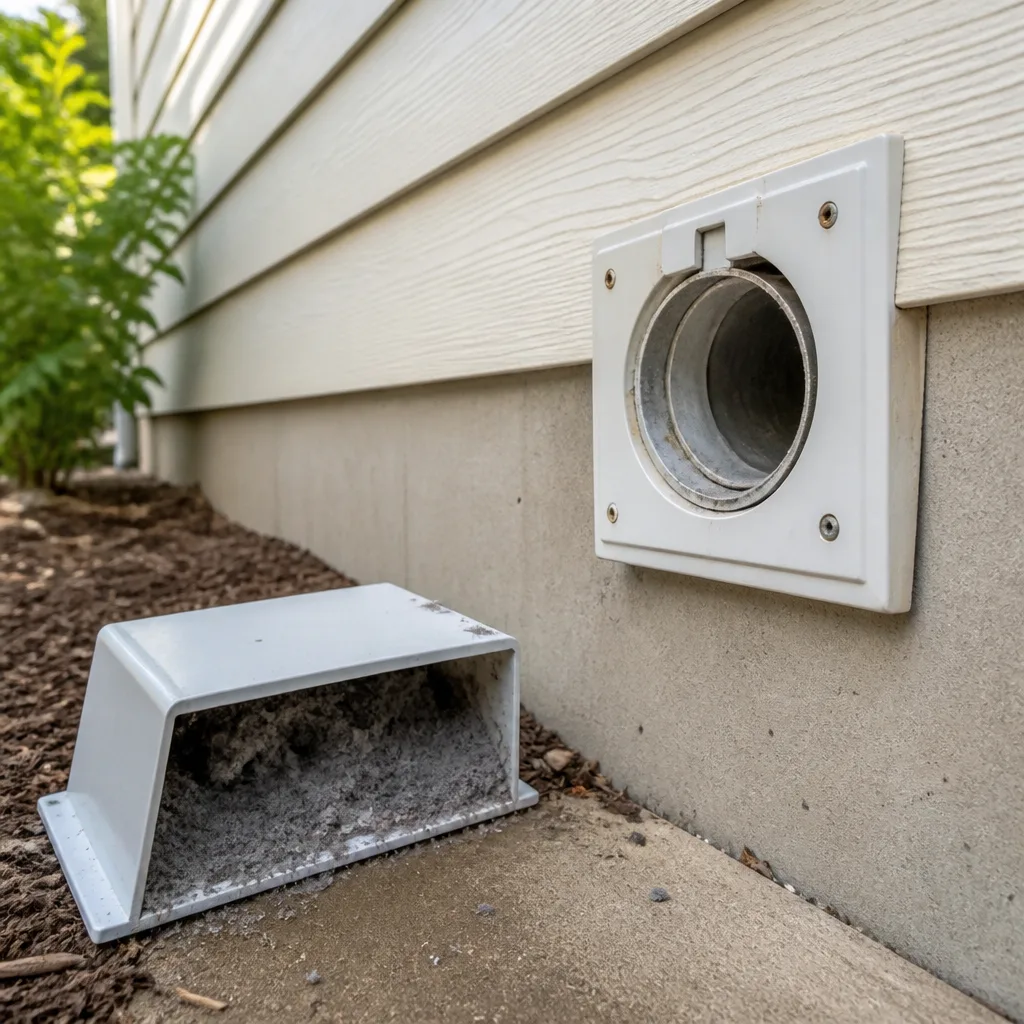 Dryer vent cleaning
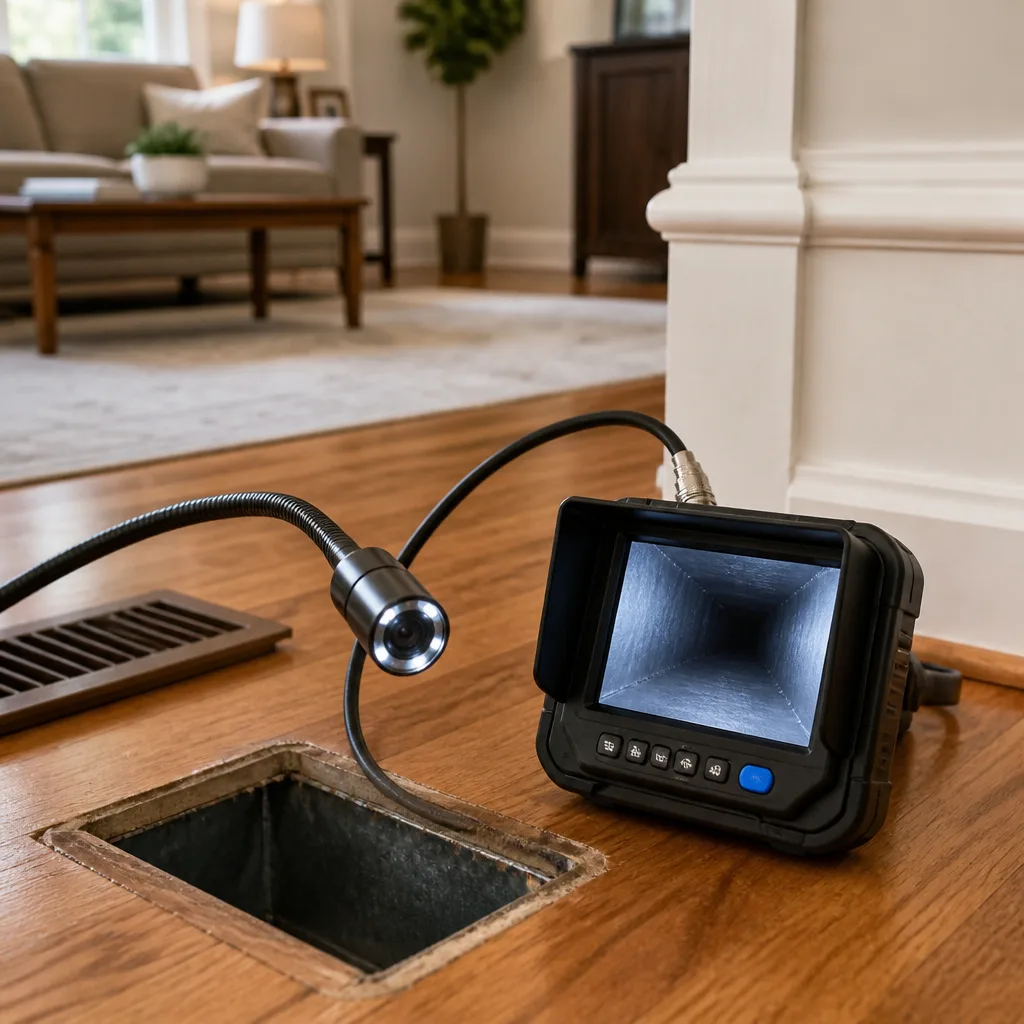 Camera inspection
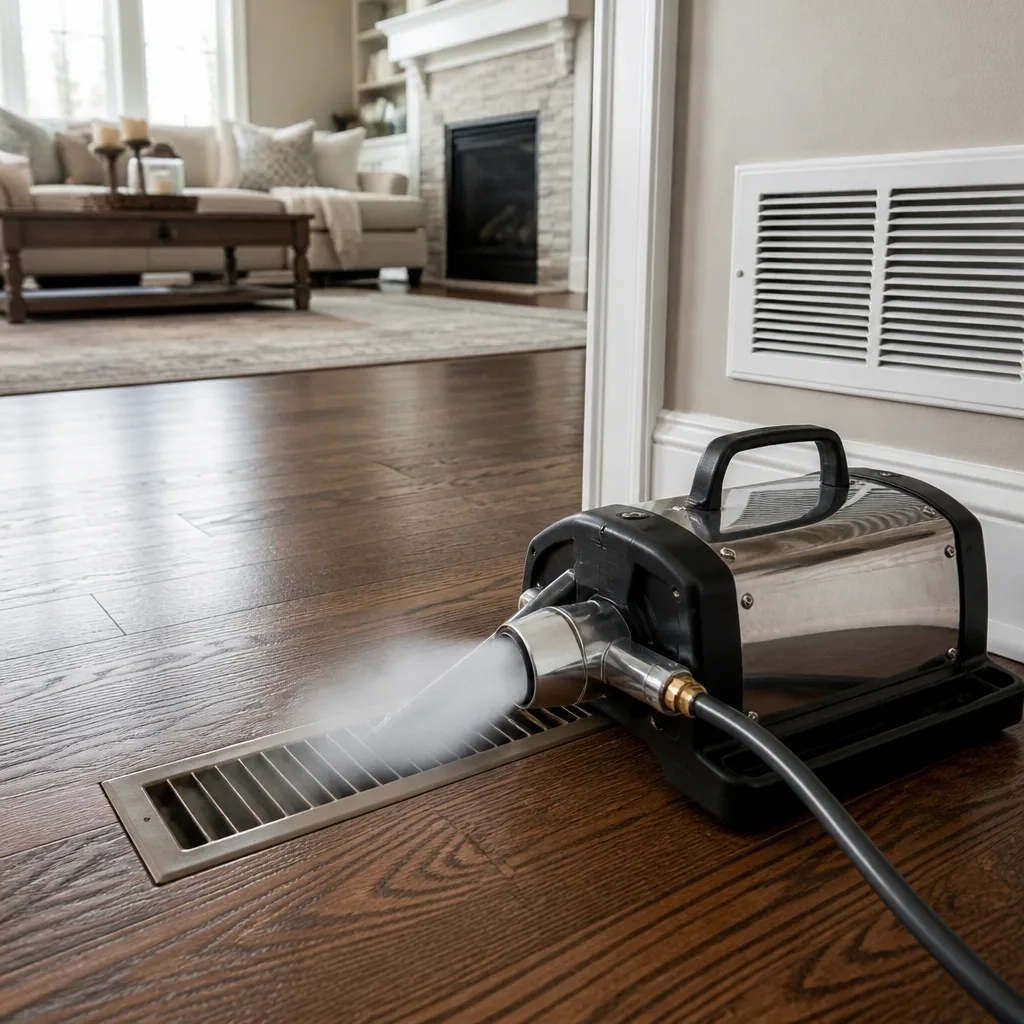 Sanitizing & deodorizing
Whole-system duct and dryer vent check with before-and-after photos - you see exactly what came out of your vents
That "$99 whole-house special" is a bait ad - the real number appears once they are in your hallway, or the "clean" is a shop-vac at the register. We photograph the inside of your ducts before and after instead.
Seasonal Air Duct Cleaning Care for South Jordan: Year-Round Homeowner’s Guide
Most homeowners treat duct cleaning as a once-a-year checkbox, usually scheduled when a filter looks gray or a room feels stuffy. That schedule was built for a milder climate with one dominant allergy season. South Jordan doesn’t work that way. Homes here face four distinct contamination windows: a spring pollen load drawn down the Jordan River corridor, a summer smoke season that pushes fine particulate into return ducts, a winter inversion that traps cold air and diesel exhaust against the Wasatch bench, and a heating season when windows stay shut for months. Each window deposits a different kind of debris, and each one closes before a generic annual cleaning ever gets to it. This guide maps your duct care to the real air quality calendar of the Salt Lake Valley, so the cleaning you pay for lands when it actually matters.
Quick Answer
In South Jordan, the highest-value time to clean your air ducts is late September through October, ahead of the heating season, because that’s when summer smoke, pollen, and construction dust that settled in the return-side ductwork will otherwise get pushed through every room for months of closed-window living. A second smaller cleaning window in late spring handles the cottonwood and grass pollen that finds its way into the system during the April to June peak. Homes with allergies, pets, or a recent renovation usually benefit from a full professional cleaning once a year on that October timing, supplemented by filter changes and sealing checks between visits.
Styles & brands we work with
- Whole-home duct cleaning
- Dryer vent cleaning
- Camera inspection
- Sanitizing & deodorizing
Table of Contents
- What Each South Jordan Season Deposits Inside Your Ductwork
- Why October Is the Highest-Value Cleaning Window in South Jordan
- How to Handle Post-Wildfire Smoke Events
- Spring Cleaning Timing and the Jordan River Pollen Corridor
- Between-Season Actions That Extend a Cleaning
- Winter Inversions and What They Do to Sealed-Duct Homes
- Signs Your Ducts Need Attention Before the Next Season
- How to Choose a Professional Duct Cleaning Service
What Each South Jordan Season Deposits Inside Your Ductwork
Every climate leaves its own signature inside a home’s air delivery system. What makes South Jordan unusual is how sharply the four signatures differ and how little overlap there is between them.
Spring. The Jordan River corridor runs a few miles west of most South Jordan neighborhoods, and its cottonwood trees release their characteristic white fluff in late May and early June. Cottonwood pollen is coarse enough to settle out of the air, but the finer grass pollen that peaks across the same weeks moves easily into return ducts when the system runs during the warm afternoons. Fine particles do not stay on the floor; the return grille pulls them into the system within hours.
Summer. Wildfire smoke changes the chemical composition of what settles in ducts. The fine particulate in smoke is much smaller than pollen and carries combustion residues that coat duct walls. When homes run the air conditioner with windows closed for weeks, those particles keep circulating until they either stick to a surface or get captured by a filter that’s already loaded.
Fall. Active residential development around South Jordan means construction dust, drywall fines, and silica particles are a genuine seasonal deposit. When a subdivision is going up two streets over and the wind picks up, some of that dust gets drawn into return-side ductwork. Fall is also when most South Jordan homeowners first turn the furnace back on after months of no airflow, and that first push can stir up everything deposited over the summer.
Winter. Cold-air inversions settle into the Salt Lake Valley and trap exhaust, wood smoke, and diesel particulate against the Wasatch bench. South Jordan sits squarely in that trapping zone. When windows stay shut through a long inversion, the only fresh air many homes get comes through the HVAC system, which means whatever was already in the ducts keeps recirculating with no escape.
Understanding this four-part cycle is the first step toward a cleaning schedule that actually matches the problem. A homeowner in Riverton or West Jordan faces some of the same pressures, but the combination of higher elevation, newer construction dust, and inversion geography makes South Jordan’s pattern distinct enough that a one-size schedule underperforms.
Why October Is the Highest-Value Cleaning Window in South Jordan
If you clean your ducts only once a year, do it in late September or October. This is the window when a professional cleaning removes an entire summer’s worth of pollen, smoke residue, and construction dust right before the furnace starts pushing air through the house for months on end. A spring cleaning, by contrast, simply moves the debris into the system for the worst three months of the year.
What a pre-heating-season cleaning should include goes well beyond the standard vacuum-and-brush pass:
- Full supply and return-side cleaning with a source-connected vacuum. Return ducts hold most of what settled over summer; a cleaning that treats only supply trunks leaves the reservoir in place.
- Agitation with professional-grade rotary equipment. Brushes and whips are how caked-on deposits actually loosen. We use Rotobrush and Nikro equipment because both are built specifically for ductwork rather than adapted from general shop vacuums.
- Coil and blower inspection. A furnace that ran through a smoky summer often has a dirty blower wheel, and a dirty blower cuts airflow through every duct in the house. The blower is part of HVAC cleaning, which most duct cleanings should include as a package.
- Sanitizing step with a recognized antimicrobial coating. Guardsman-line treatments are the standard we reach for when ducts have held organic deposits. Sanitizing matters more in South Jordan than in dry, high-desert climates because indoor humidity during heating season can sit in a range that supports microbial growth.
- Duct sealing check. A cleaning is wasted if the ducts leak 20 percent of their air into the attic. Duct repair and sealing is the piece most homeowners skip and later regret.
- Filter replacement and match check. The filter the previous owner installed should match the system’s design airflow. Installing an oversize MERV filter on an undersized return is a common South Jordan mistake that starves the furnace.
Each of these steps addresses a different deposit. Cleaning alone without sealing shortens the next interval. Sealing without cleaning traps debris in a tighter system. Doing both together, right before heating season, gets the most value for the money.
How to Handle Post-Wildfire Smoke Events
Smoke events change the rules. During a heavy smoke week, the fine particulate in the air inside a home without a fresh-air damper can climb well above what the outdoor air was before the event, because the HVAC system keeps recirculating whatever came in. Homes with recirculating systems and no fresh-air intake are effectively compounding smoke every time the air handler runs.
The question homeowners ask is whether a smoke event means they should schedule a cleaning right away. The honest answer depends on how the duct system responded:
- Change filters immediately. A filter that captured smoke particulate over a two-week event is spent. Swap it the day the air clears, not the day you notice the next one.
- Run the fan on low continuously during the event. Filtering air is better than letting it sit. The filter catches more when it’s actively pulling air through.
- Schedule a professional cleaning if the smoke event lasted several days and your system has not been cleaned in more than a year. Combustion residue coats duct interiors and doesn’t always come out with routine brushing. Ducts that sat through the 2023 wildfire smoke weeks, for instance, often needed more than a standard pass.
- Consider a higher-MERV filter only if the system was designed for it. Upgrading to a MERV 13 filter is a real improvement for smoke, but only when airflow can support the increased restriction. Otherwise the blower motor loses efficiency and the filter becomes a bottleneck.
- Ask about air purifier options. Honeywell and Aprilaire both make whole-home filtration and purification equipment that mounts at the air handler, and the difference during a smoke event is substantial.
If you’re not sure whether the smoke event pushed your ducts past the threshold, a quick look at the filter and a call is the cheapest diagnostic you’ll ever make.
Spring Cleaning Timing and the Jordan River Pollen Corridor
The cottonwood fluff that drifts across South Jordan roadways each May is visible; the grass pollen that peaks at the same time isn’t. Both end up in the house, and running the HVAC during peak pollen weeks draws debris into return-side ductwork faster than any other time of the year. That’s the practical argument for scheduling a late-spring cleaning in mid-to-late May rather than waiting for summer.
The tricky part is that a May cleaning catches what has already settled but does nothing about what will settle through June and July. Some South Jordan homeowners solve this with a two-clean schedule: a lighter spring pass in late May and the main cleaning in October. Others run a single October cleaning but upgrade the filter and add a whole-home purifier so pollen never makes it into the duct run in the first place.
The right filter selection is where most people get it wrong. A filter rated too low does little; a filter rated too high strangles airflow on a system not designed for it. There’s no universal answer, which is why we look at the air handler’s return sizing before recommending a Honeywell or Aprilaire filter and matching the MERV to what the system can actually move.
If your home has a humidifier tied into the duct system, spring is also when that component needs its own check. A pad that hasn’t been replaced in a season grows mineral scale and can become a source of odor once the heating system turns back on. Replacing the pad and setting the humidistat for summer is a five-minute job with a measurable effect on indoor air quality.
Between-Season Actions That Extend a Cleaning
A professional cleaning resets the system to a known baseline. What happens between cleanings determines how quickly you’ll need the next one. Four actions, done on a seasonal rhythm, keep the interval long and the air quality high:
- Filter replacement on a real schedule, not a guess. A filter that runs through a smoke event or a remodel load is spent even if it’s three weeks old. Check it at the turn of each season and any time construction is going on nearby. Note the date on the edge so the next check has a reference.
- Damper and register check. Every season, walk the house with a screwdriver and check that each register opens and closes freely and that the supply dampers in the basement or crawlspace are set where they should be. A closed damper in a rarely used room sends extra airflow to the rooms you occupy, which keeps ducts cleaner across the whole system.
- Humidifier calibration. A humidistat set to a summer number running into winter pushes indoor humidity into a mold-supportive range. Reset it at the October cleaning and check it again in January. South Jordan’s dry winter air invites overuse; the right target depends on the furnace, the home’s air sealing, and whether the ducts are tight.
- Dryer vent check. Not technically part of the HVAC ducts, but dryer vent cleaning belongs in the same seasonal rhythm. Lint accumulation is the leading ignition source in residential dryer fires, and the vent runs a similar length-and-turns profile to the HVAC return trunk. Doing both at once saves a second visit.
Between-season maintenance is the difference between a cleaning that lasts eighteen months and one that needs a repeat in twelve. None of these steps require equipment; they require a calendar reminder and a few minutes.
Winter Inversions and What They Do to Sealed-Duct Homes
The Salt Lake Valley’s winter inversions are a well-known feature of living on this side of the Wasatch. Cold air settles against the mountains and traps everything below it: vehicle exhaust, wintertime fireplace smoke, and general urban particulate. The trapped layer can last for days, and when it does, the air outdoors gets a good deal worse than the air indoors for most homes. The problem is that a home with leaky ducts in a long inversion is effectively pulling that trapped air in through every crack in the duct run.
Duct sealing becomes an indoor air quality service in South Jordan, not just an efficiency upgrade. A return trunk that runs through an unconditioned attic or crawlspace is under negative pressure and pulls air from wherever it can. If that “wherever” is a cold attic space filled with inversion particulates, the system is delivering those particulates to every room. Sealing the run with proper mastic and mesh (not tape, which fails within a season) caps that pathway.
This is where full-system thinking pays off. A cleaning that doesn’t include a duct repair and sealing evaluation is only half the job. Clean ducts that leak still deliver dirty air. Clean, sealed ducts deliver what they carry.
Homes on the eastern bench of South Jordan sit slightly higher and often see marginally better ventilation on inversion days, but the difference is small. The real fix is inside the duct system, not in the geography.
Signs Your Ducts Need Attention Before the Next Season
Between scheduled cleanings, a few specific signals tell you the interval needs shortening. Worth checking any time the house feels different:
- Visible dust plumes at registers when the system kicks on. A single puff at start-up is normal. A visible plume every time the air handler runs means the ducts are loaded.
- Musty or “old house” smell when the heat first comes on in October. This is the smell of settled dust burning off the heat exchanger, but if it persists past the first day it usually means the return ducts have held something organic.
- Allergy symptoms that don’t improve when windows are closed. If allergy medications do their job in the office but not at home, the air delivery system is the variable.
- Rooms that feel stuffier than they used to. Often a duct sealing issue, not a duct cleaning issue. Both deserve a look.
- Recent renovation, even a small one. Drywall dust travels farther than most people expect. Any drywall work means cleaning the return-side ducts afterward.
- A HVAC system more than ten years old that hasn’t been cleaned. Older systems accumulate deposits in the blower wheel and evaporator coil that reduce both airflow and air quality.
If two or more of these are true, don’t wait for the next scheduled cleaning window. For a broader look at what a full cleaning involves, our overview of air duct cleaning walks through the process step by step.
How to Choose a Professional Duct Cleaning Service
Duct cleaning has a well-earned reputation problem. A low coupon price that becomes a far larger invoice by the time the technician is on-site is common enough that homeowners learn to distrust the whole category. The way around it is straightforward: know what to look for before you call.
Ask three questions and listen for concrete answers:
- What equipment will be used? The answer should name a specific professional line. Rotobrush and Nikro are the two recognized names in the category, and a service that can’t tell you which one it uses probably uses neither.
- Is the price per system or per vent? Per-vent pricing is where the upcharge creep happens. A flat price per system agreed before work starts eliminates it.
- Will I see before-and-after photos of my own ducts? Not stock photos of somebody else’s system. Your own. Any professional who isn’t willing to show the difference is one you can skip.
Beyond equipment, look for a company that handles the full system in one visit: cleaning, sealing, sanitizing, and a dryer vent check. Piecemeal contractors leave gaps between them, and gaps are where contaminants survive. Our team at South Jordan Air Duct Cleaning handles all five service lines as one package because that’s the only way the work actually holds together. Our technicians have up to 10 years of experience, and the local pro is licensed and insured as their state requires.
Common Mistakes to Avoid
- Cleaning in spring instead of fall. A spring cleaning sends a summer’s worth of pollen and construction dust straight into heating season. Push the main cleaning to October and a lighter pass to late May if allergies are strong.
- Skipping the sealing step. Clean ducts that leak are still delivering attic dust. The sealing evaluation is where the indoor air quality gain gets locked in, not just measured.
- Upgrading to a MERV 16 filter on a system designed for MERV 8. South Jordan’s dry air sends homeowners straight to the highest-MERV filter on the shelf, but an undersized return can’t move enough air through a dense filter. The system starves and the filter becomes a liability.
- Trusting a coupon price. The whole per-vent upcharge economy depends on the low printed price. A flat price per system, agreed before work starts, is the alternative.
- Ignoring the blower wheel. Duct cleaning that skips the blower leaves the biggest airflow restriction in place. A dirty blower can cut airflow through the whole house.
- Forgetting the dryer vent. It runs alongside the HVAC system and carries the same risk profile. Cleaning it during the HVAC visit is sensible scheduling and a real safety improvement.
- Never checking the humidifier between winter seasons. A pad left in place across a summer grows mineral scale and becomes an odor source the next October. Replace it and calibrate the humidistat as part of the annual rhythm.
See the difference
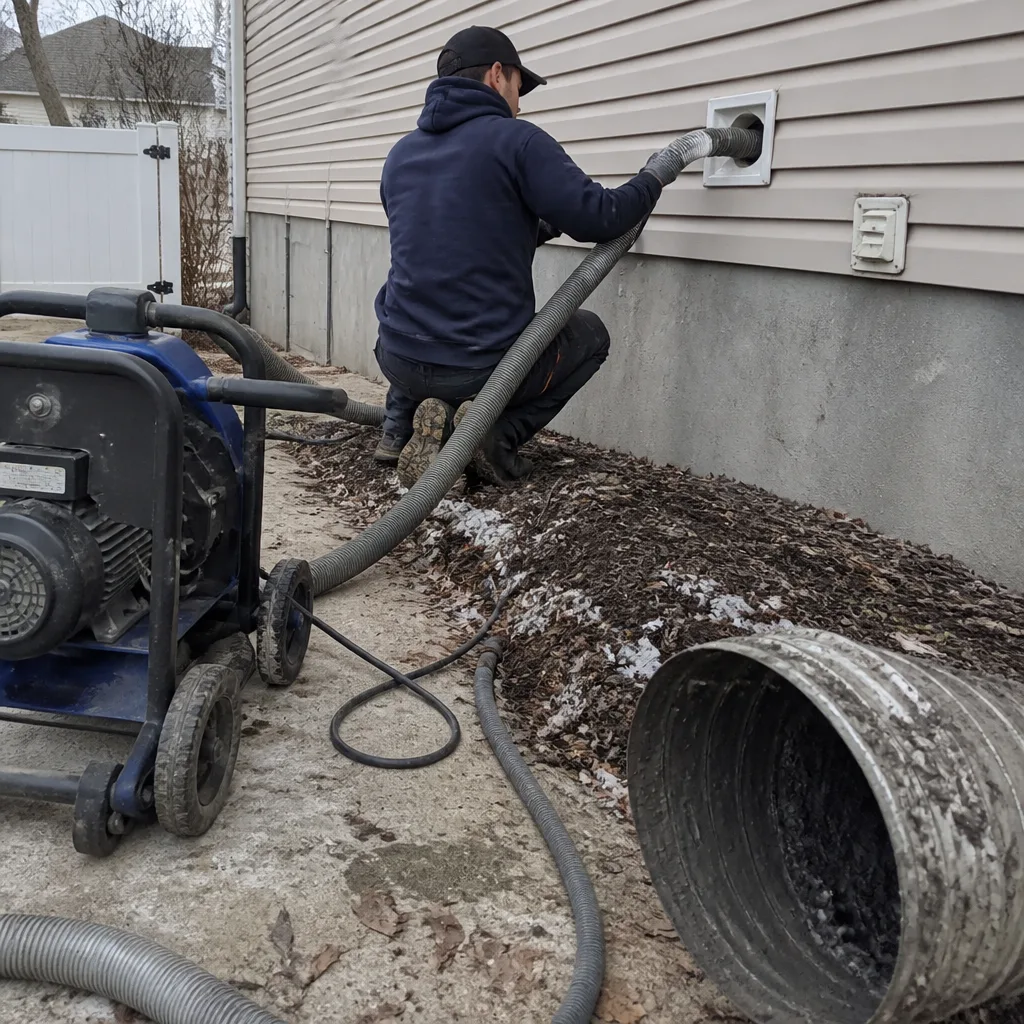 Before
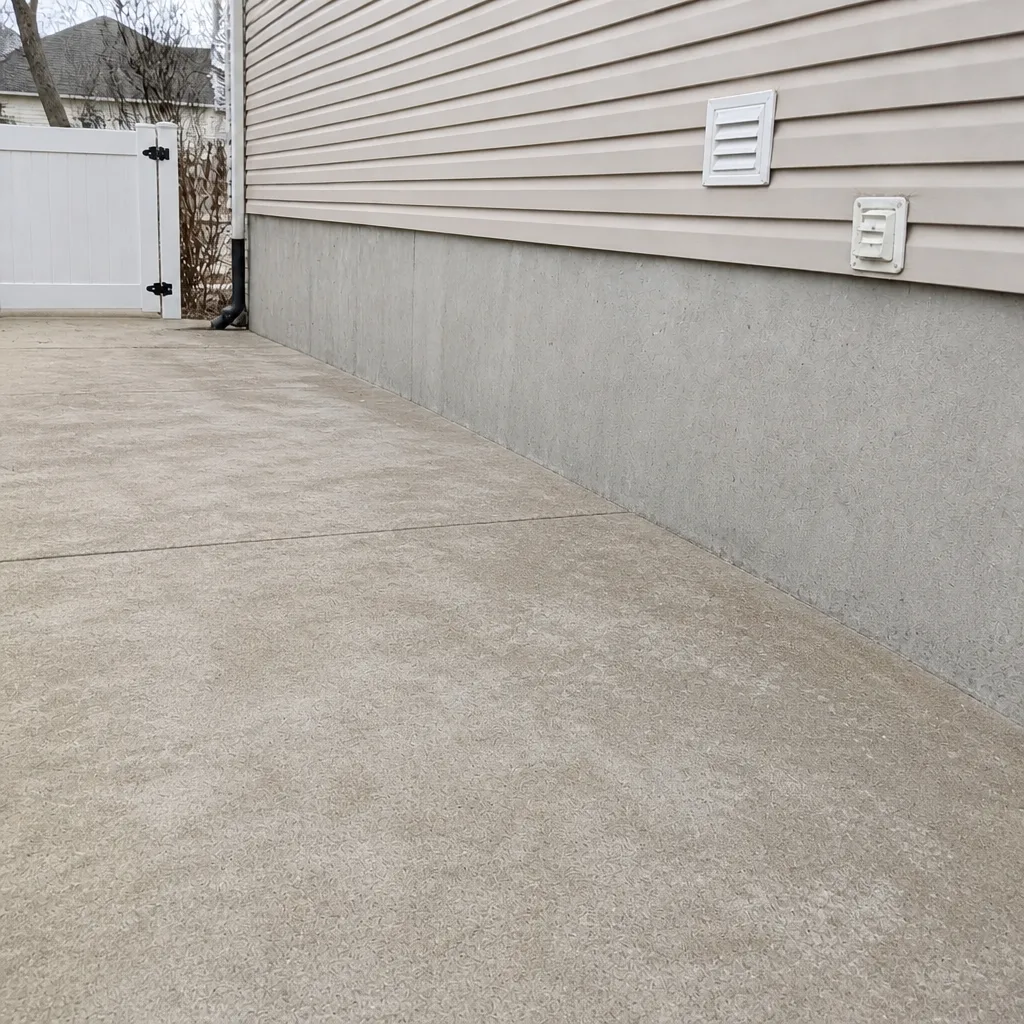 After
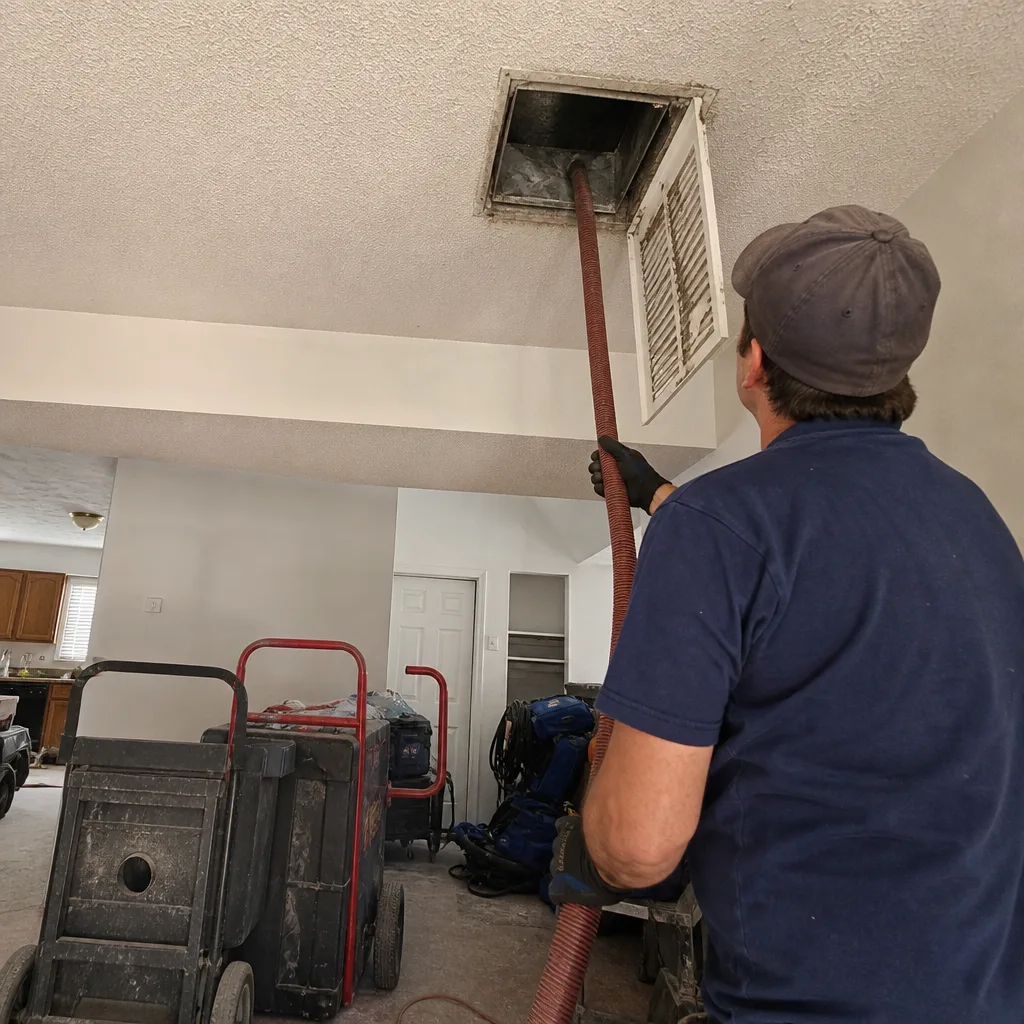 Before
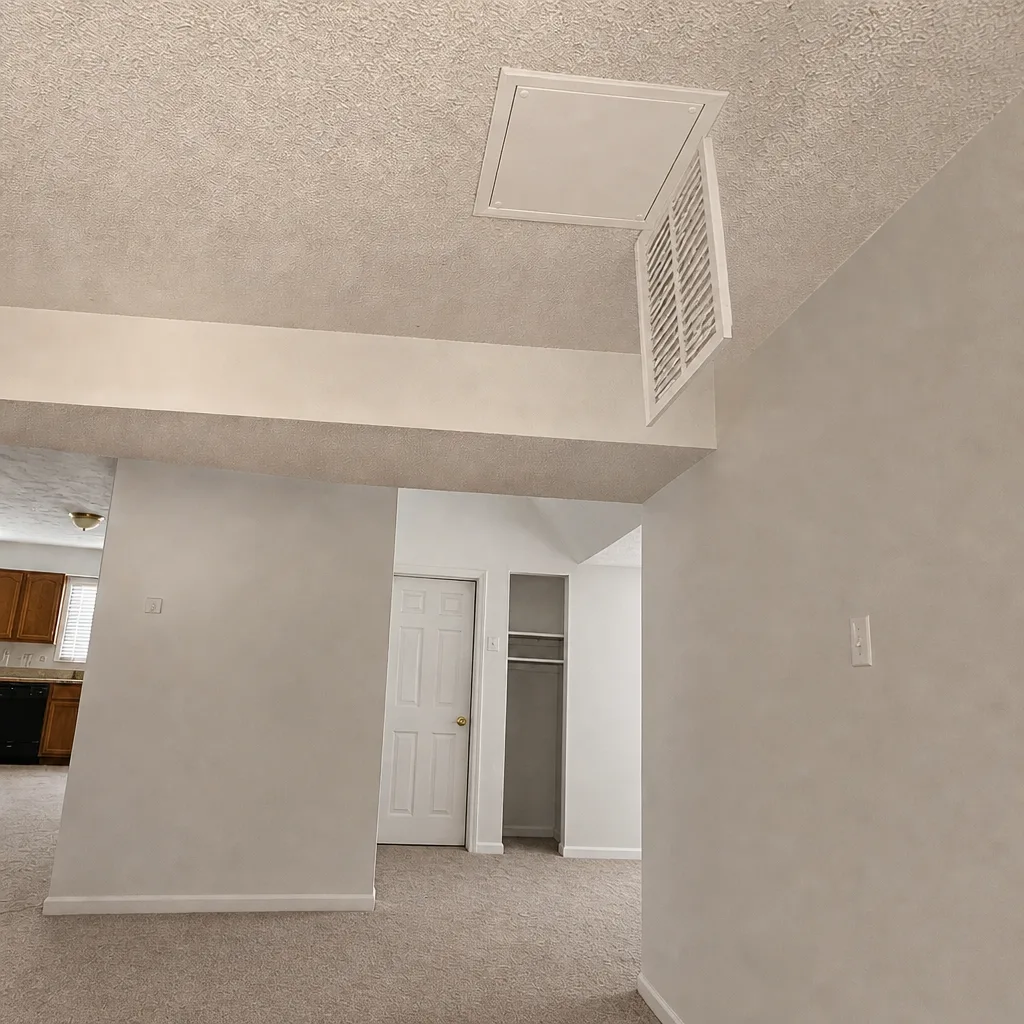 After
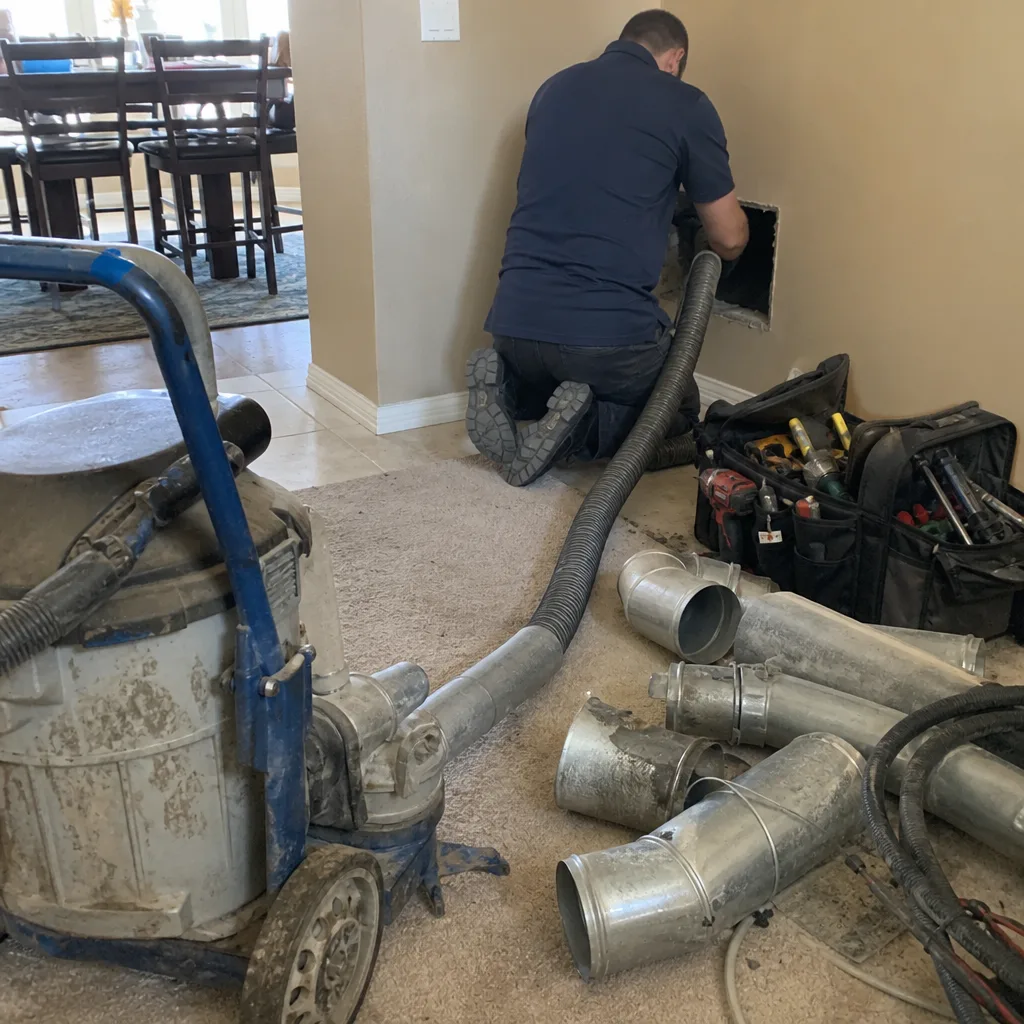 Before
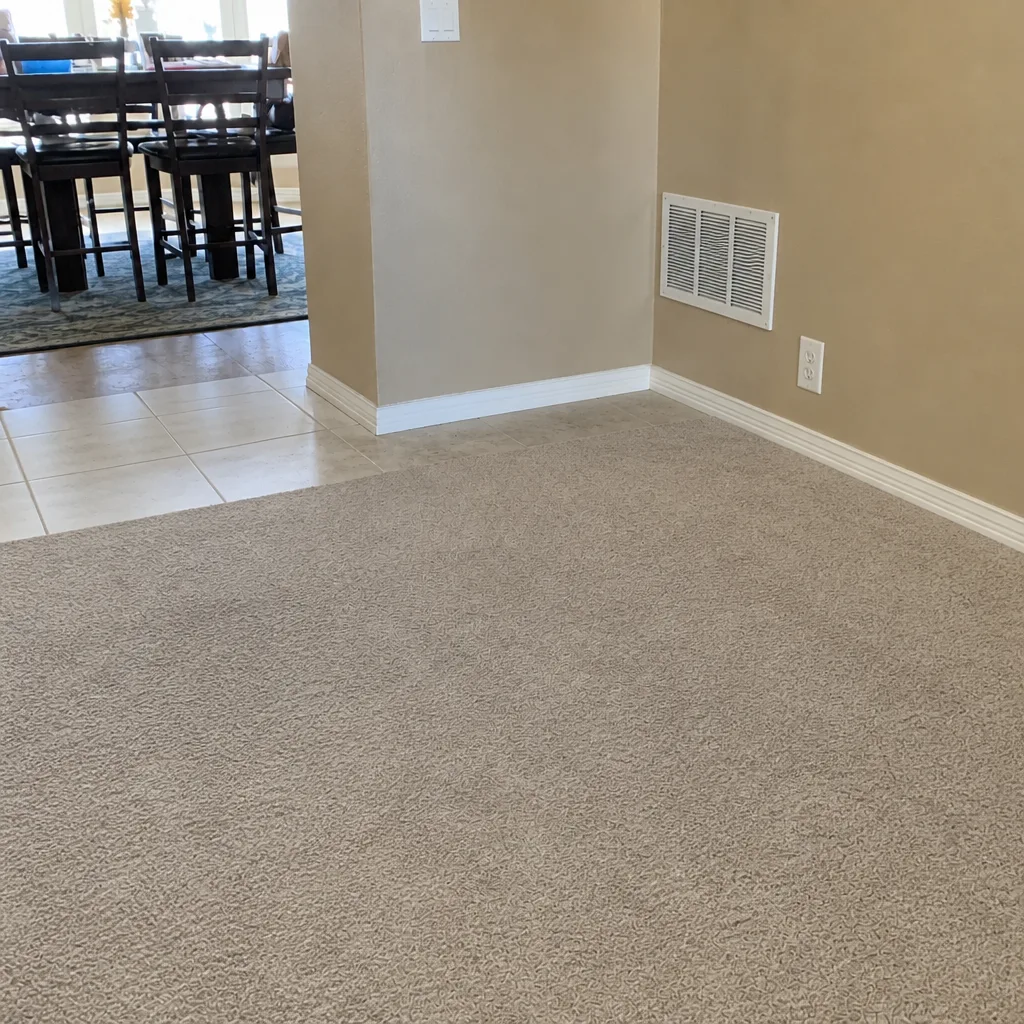 After
When to Call a Professional
Some duct issues are weekend filter changes; some aren’t. Call a professional when the air handler sends visible dust plumes at start-up, when a musty smell persists past the first day of heating, when a renovation just wrapped and drywall dust was in the air, when allergy symptoms don’t improve with windows closed, or when the smoke layer settled over the valley for several days and your system hasn’t been cleaned since before it. Same for any time you’re not sure whether the ducts are the problem or the sealing is. The diagnostic part is where a professional saves you the most money, because it tells you which step actually matters. South Jordan Air Duct Cleaning offers free estimates in South Jordan. Call (877) 820-9450. We answer 24/7. Fast dispatch from 7am to 7pm, Sunday through Friday.
Frequently Asked Questions
Once a year for most South Jordan homes, timed for late September or October. The October window catches the whole summer’s pollen, smoke residue, and construction dust right before the heating system pushes it through every room for months. Homes with pets, allergies, recent renovations, or a system more than ten years old should consider a lighter spring pass as well.
Yes, especially in homes with leaky duct runs. Winter inversions trap exhaust and wood smoke against the Wasatch bench, and a return trunk running through an unconditioned attic or crawlspace pulls that trapped air in through every crack. Sealing the duct run is the fix, not just cleaning. A full-system evaluation is worth doing before winter.
Change the filter the day the air clears, and schedule a professional cleaning if the event lasted several days and your system hasn’t been cleaned in more than a year. Combustion residue coats duct interiors with fine particulate that routine brushing doesn’t always lift. Call (877) 820-9450 for an exact quote; estimates are free and we can tell you whether the ducts need attention or just a filter.
Only if the system was designed for the increased restriction. A MERV 13 filter captures smoke particulate far better than a MERV 8, but on an undersized return the higher density starves the blower and reduces airflow through the whole house. We check the return sizing before recommending a Honeywell or Aprilaire filter so the upgrade helps instead of hurting. Call for a free estimate.
Because they’re teasers. A very low printed price is usually a per-vent starting point that climbs once the technician is on-site. A flat price per system agreed before work starts, with before-and-after photos of your own ducts, is the alternative. Ask for that in writing before you book.
Ask for before-and-after photos of your own ducts and a written scope that lists what was cleaned. A service that can’t provide either isn’t a service you can verify. Our process documents the work as it happens so the difference is visible, not just claimed. Call (877) 820-9450 to set up a free estimate.
The Bottom Line
South Jordan’s four-season stress profile doesn’t fit a once-a-year generic cleaning schedule. The right rhythm is a main cleaning in October before heating season, a lighter spring pass if pollen is a problem, filter changes that respond to actual events (smoke, renovation, inversion), and a sealing check every time the ducts are opened up. Add the dryer vent to the same calendar and you’ve covered the house’s air delivery system in one visit twice a year instead of chasing problems one at a time. When something feels off, the diagnostic is the cheapest part. Call us at (877) 820-9450 and we’ll tell you what the system needs, not what we’d like to sell you. We answer 24/7. Fast dispatch from 7am to 7pm, Sunday through Friday.
Contact Us
If you’ve read this far and something in it matches what your house is doing, the next step is just a call. South Jordan Air Duct Cleaning offers free estimates in South Jordan and the surrounding valley. Call (877) 820-9450. We answer 24/7. Fast dispatch from 7am to 7pm, Sunday through Friday. One crew, the whole system: air duct cleaning, dryer vent cleaning, HVAC cleaning, duct repair and sealing, and air quality and sanitizing handled as one visit so nothing falls between contractors.
Written by the team at South Jordan Air Duct Cleaning.