
Last updated November 25, 2026
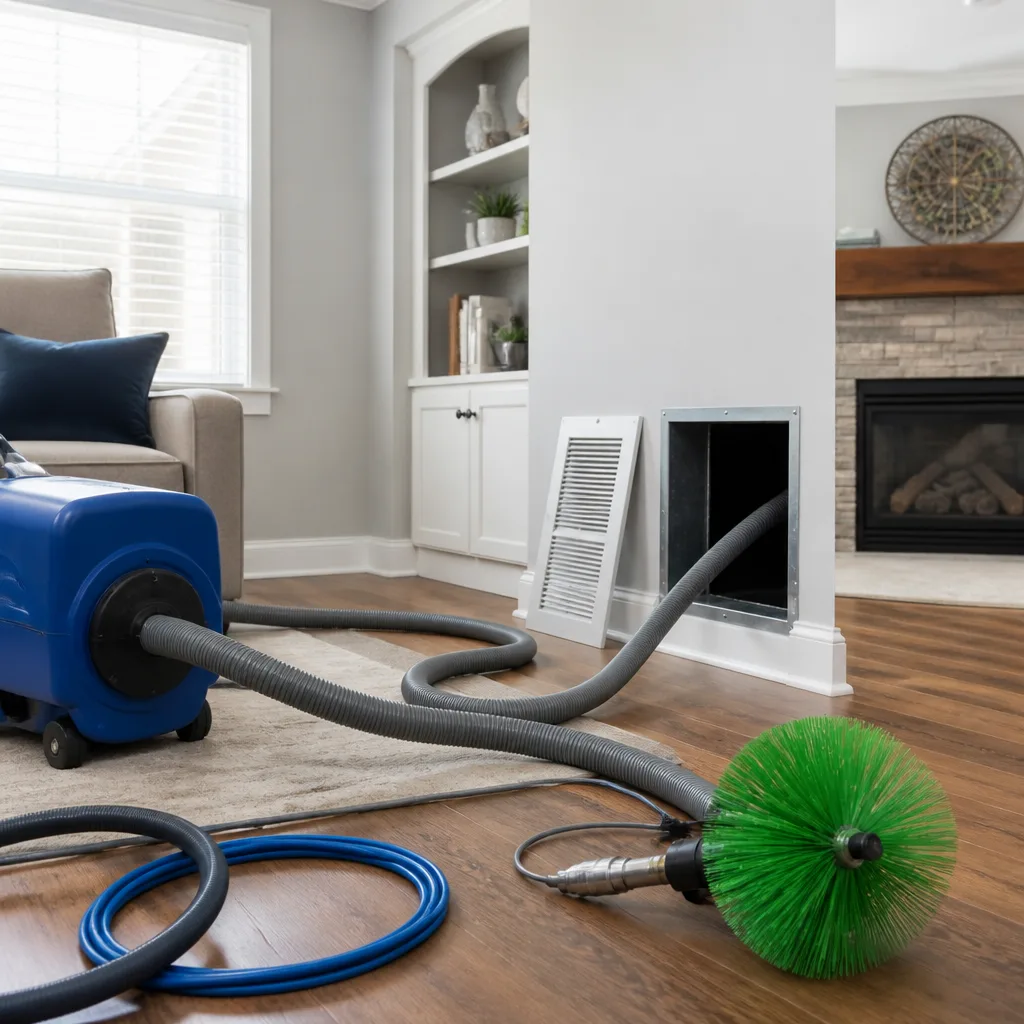 Whole-home duct cleaning
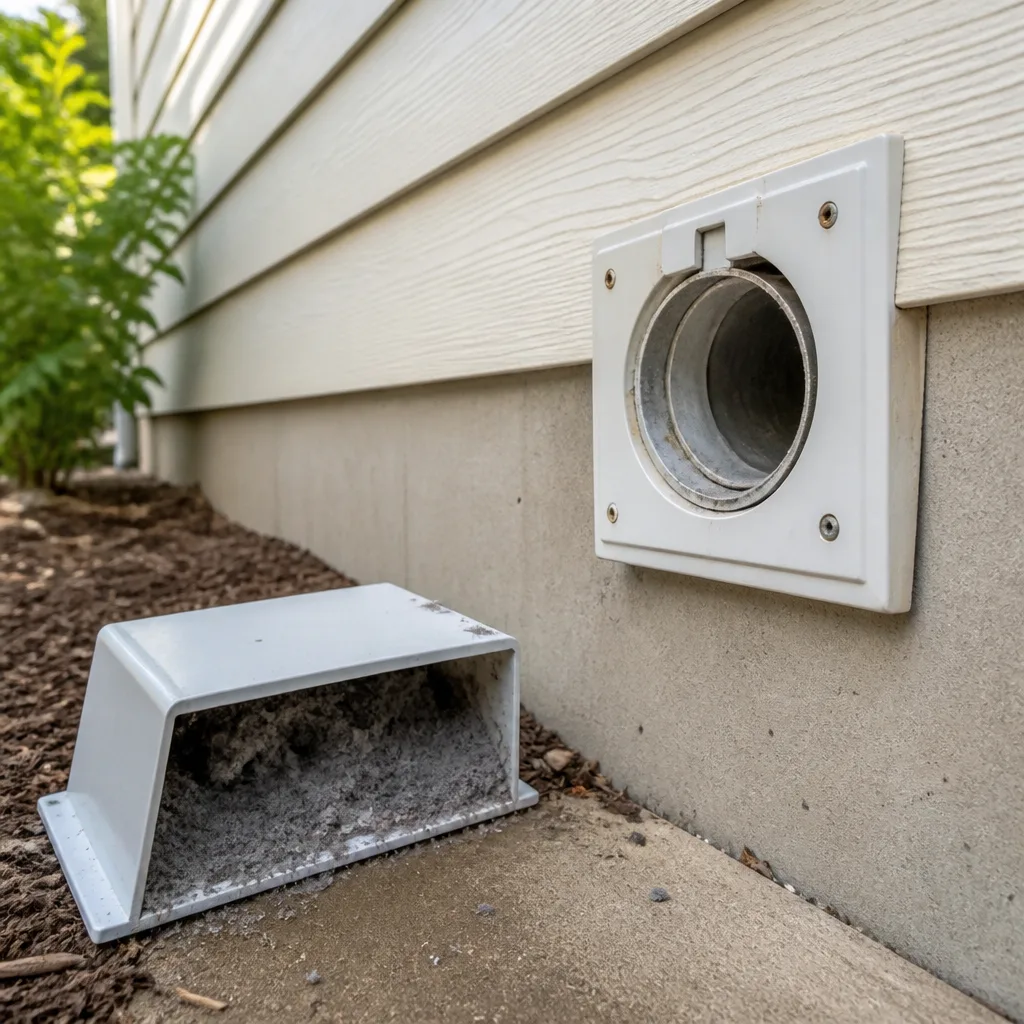 Dryer vent cleaning
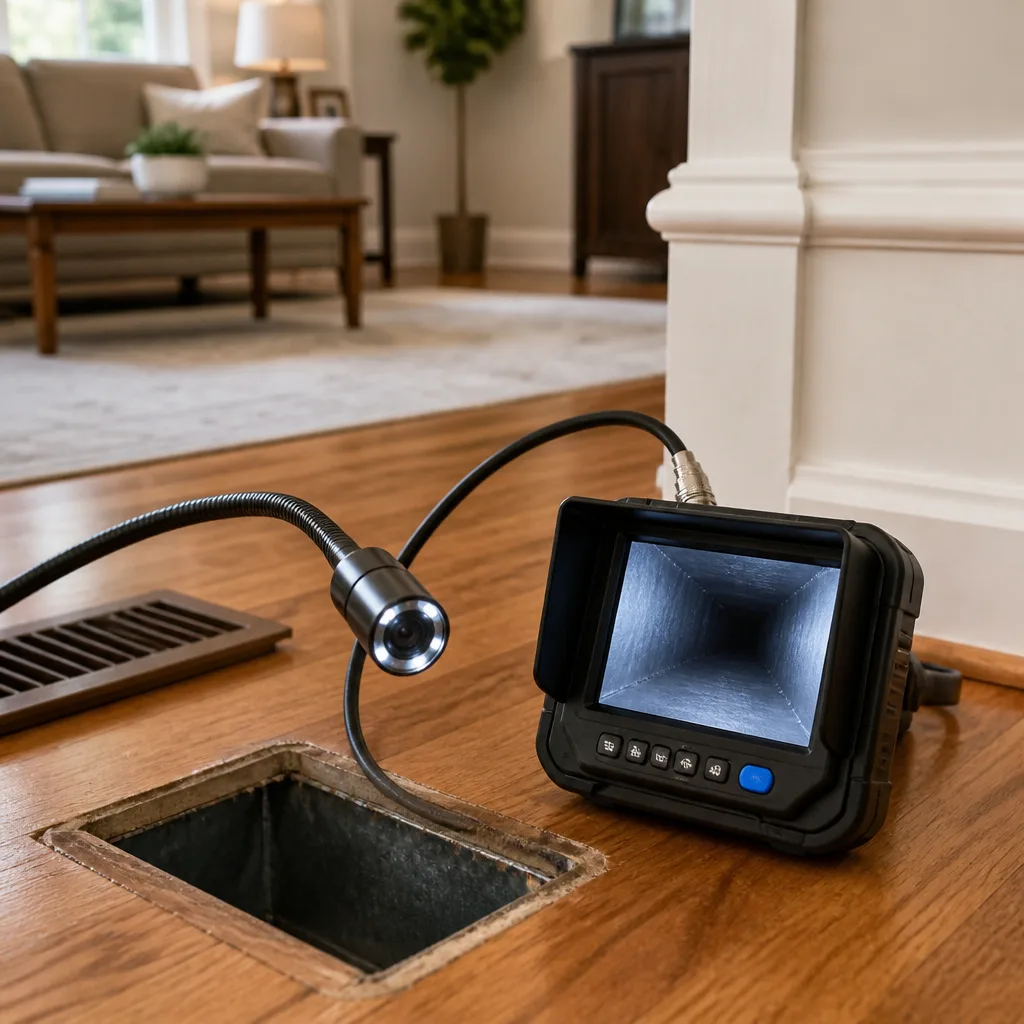 Camera inspection
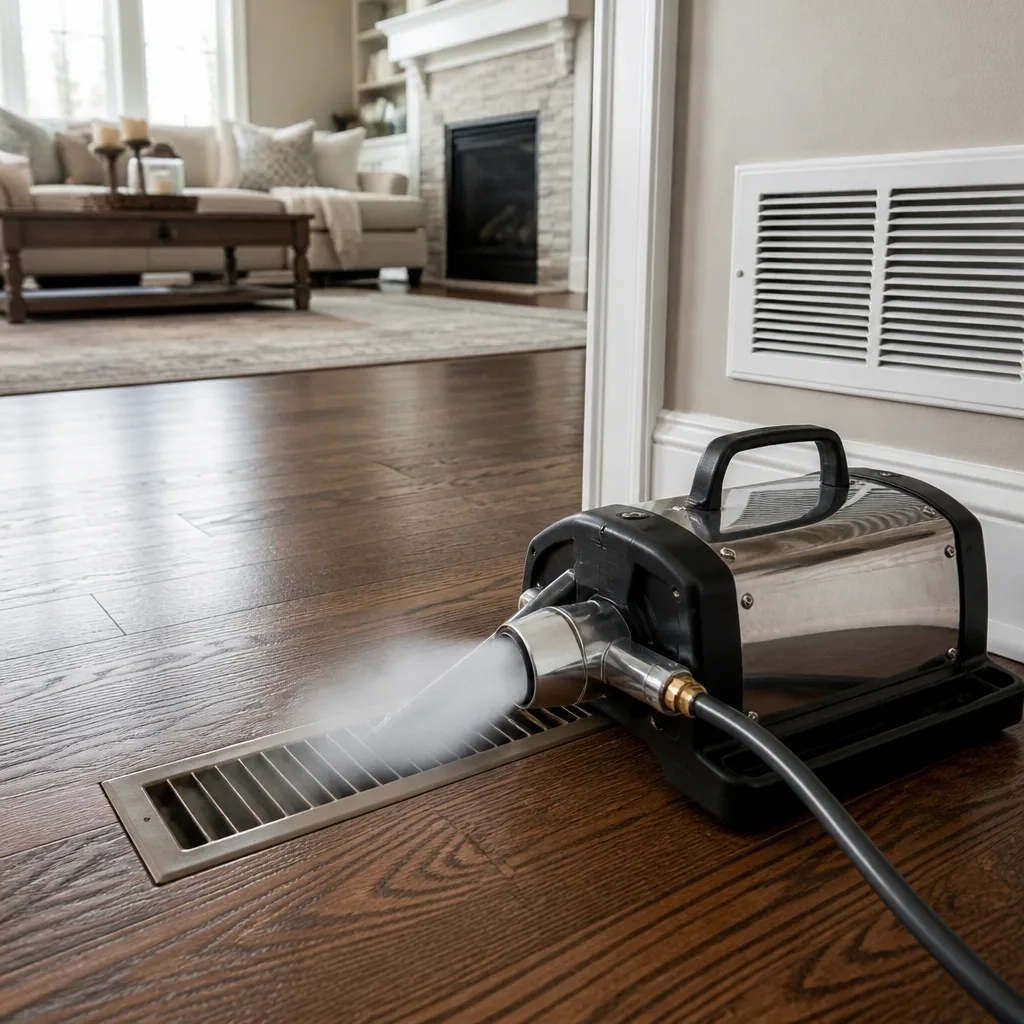 Sanitizing & deodorizing
Whole-system duct and dryer vent check with before-and-after photos - you see exactly what came out of your vents
That "$99 whole-house special" is a bait ad - the real number appears once they are in your hallway, or the "clean" is a shop-vac at the register. We photograph the inside of your ducts before and after instead.
DIY vs Professional Air Duct Cleaning: The South Jordan Homeowner’s Decision Guide
Most homeowners assume the DIY question is about saving money. It isn’t. It’s about physics. A consumer shop vacuum moves roughly 100 cubic feet of air per minute. A truck-mounted negative air machine moves 4,000 to 6,000. That gap isn’t a matter of effort or a better nozzle attachment; it’s the difference between pulling debris out of your duct system and pushing it further in. This guide explains exactly where the ceiling on DIY air duct cleaning sits, which tasks in a South Jordan home are genuinely worth doing yourself, and which ones tend to turn a routine cleaning into a repair bill.
Quick Answer
You can handle register cleaning, filter swaps, and dryer vent lint removal yourself. You cannot achieve source-removal duct cleaning without professional negative-pressure equipment, and in South Jordan’s newer flex-duct homes, DIY brush-and-vacuum attempts often dislodge connections or push debris deeper into the system. Professional cleaning is the right call for any full-system concern.
Styles & brands we work with
- Whole-home duct cleaning
- Dryer vent cleaning
- Camera inspection
- Sanitizing & deodorizing
Table of Contents
- Why DIY Duct Cleaning Hits a Physical Ceiling
- What You Can Legitimately Do Yourself
- How DIY Attempts Make Professional Cleaning Harder
- The Real Cost Comparison in South Jordan
- The Damage and Liability Dimension
- Why Flex Duct Changes the Rules
- Signs Your Home Actually Needs Professional Attention
- Common Mistakes to Avoid
Why DIY Duct Cleaning Hits a Physical Ceiling
Source-removal duct cleaning works on a simple principle: put the entire duct system under sustained negative pressure, then agitate the debris loose so the airflow carries it out to a collection point. Without negative pressure, agitation only moves debris around. It doesn’t remove it.
That’s the core concept. Around 100 CFM is what a typical shop vacuum pulls. A consumer-grade duct kit from a hardware store adds a brush and a flexible hose but doesn’t change the airflow number. Meanwhile, the negative air machines that professional duct cleaning relies on pull 4,000 to 6,000 CFM. That’s not a marketing gap. That’s a factor of forty to sixty.
What that gap means in practice:
- Containment is impossible without negative pressure. A professional setup seals the system and pulls air inward at every opening. A shop vac just sucks at one point while debris blows out the registers you left open.
- Agitation without containment loosens more than it removes. Brushing a duct with no negative pressure to catch the loosened debris redistributes dust through the supply runs and back into living space.
- Return-side and trunk debris stays put. Most of what accumulates in a South Jordan home settles in the trunk lines and returns. Consumer tools can reach maybe the first few feet of a branch.
This is why our technicians run Rotobrush and Nikro equipment on every job. These are purpose-built duct cleaning systems designed for controlled agitation inside a duct under negative pressure, not adapted shop vacuums. The equipment exists because the physics demands it. If you’re weighing whether to book professional air duct cleaning or attempt it yourself, this is the right place to draw the line.
What You Can Legitimately Do Yourself
There’s plenty a homeowner can and should handle between professional cleanings. These tasks are low-risk, effective, and worth doing regularly. Doing them well also extends the time between full-system cleanings.
- Clean supply and return registers/grilles. Pop each register cover off, wash it in warm soapy water, dry it completely, and wipe the frame with a damp cloth. Do this every few months. Registers collect surface dust that never makes it into the duct, and cleaning them keeps dust from dropping back into the system when airflow resumes.
- Replace HVAC filters on schedule. Check your filter every 30 to 60 days. South Jordan’s dry, dusty air and long heating/cooling seasons load filters faster than many national guidelines suggest. A clogged filter restricts airflow and lets bypass dust reach the coil and ductwork. Use the filter rating your system was designed for; going to a much higher MERV rating than the blower can handle can strain the system.
- Remove visible dryer vent lint. Pull the dryer out, disconnect the vent, and vacuum out the lint trapped at the back of the dryer and the first stretch of vent duct. Check the exterior vent flap opens freely and that no lint is packed at the exit. Do this at least twice a year. Dryer vent lint is a leading cause of residential fires, which is why our dryer vent cleaning service exists as a separate safety visit. The full run of the vent, especially where it bends or runs through a wall, needs professional equipment to clear safely.
- Keep the return air path clear. Make sure furniture, rugs, and stored items aren’t blocking return registers. A blocked return pulls harder from leaky duct joints and unfinished spaces.
None of these tasks require special equipment. All of them help. None of them clean the inside of the duct system beyond the register.
How DIY Attempts Make Professional Cleaning Harder
This is where we’ve seen the most expensive misunderstanding. A homeowner buys a duct cleaning kit, spends a few hours working through registers, and then calls for professional service because the dust problem hasn’t improved. Or, worse, got worse. The professional job then becomes harder and more expensive than it would have been.
The specific ways this happens:
- Compressed air redistribution. Blowing air through registers without containment drives debris further down the branch lines and into the trunk. What was a cleanable surface deposit becomes a lodged problem the professional has to work harder to dislodge.
- Brush attachments without proper containment. A brush on a drill or a flexible rod agitates duct surfaces but doesn’t remove what it loosens. In flex duct, the brush can also abrade the inner lining, creating a rough surface that traps more dust going forward.
- Displaced dampers and balancing plates. Many South Jordan homes have manual dampers in the branch runs to balance airflow to different rooms. A brush or rod snagged on a damper can bend or dislodge it. What was a balanced system becomes one with a stuck or damaged damper that needs repair.
- Disturbed insulation. Flex duct and some rigid duct runs are internally insulated. Aggressive agitation can separate insulation from the duct wall, creating fibers that then circulate with the air.
- Loose joints and connected collars. Pulling or twisting force on a flex duct or a taped joint at a register can loosen the connection. The system then leaks conditioned air into the attic or crawlspace instead of the room it’s supposed to serve.
We’ve been called out to South Jordan homes where a DIY attempt at duct cleaning loosened a flex duct collar in the attic. The homeowner was trying to solve a dust complaint and ended up with an air loss complaint. The cleaning job wasn’t the expensive part; the duct repair and resealing was.
The Real Cost Comparison in South Jordan
It’s tempting to price the DIY route as $60 worth of hardware-store parts versus a professional invoice. That comparison falls apart once you account for what DIY actually delivers. A homeowner who spends $60 to $150 on a consumer duct kit gets register dust control and some first-feet-of-branch agitation. That’s it. A homeowner who hires professional service gets full-system source removal, sealing inspection, and, when needed, sanitizing.
Typical estimated ranges for the work we’d quote in South Jordan:
- Consumer DIY duct kit: $60 to $150. Effect: register-level dust control only. No source removal.
- Full-system professional duct cleaning for a typical single-family home: $400 to $800 depending on square footage, number of vents, and system condition. Effect: source-removal cleaning of supply, return, and trunk lines under negative pressure, with before-and-after documentation.
- Duct Repair & Sealing as an add-on: $250 to $600 depending on how many joints need resealing and whether flex duct sections need reattachment.
- Air Quality & Sanitizing after cleaning: $150 to $400 depending on square footage. Uses recognized protective-coating and antimicrobial product standards.
- Dryer vent cleaning as a standalone safety visit: $120 to $250 depending on vent length and access.
Those are typical estimates, not fixed prices. Every home is different, and the written estimate from an on-site assessment is what sets the final price. We offer one flat price per system, agreed before work starts, so the estimate and the invoice match.
Here’s the cost-benefit point that matters most. The gap between DIY cost and professional cost is roughly $300 to $700 for a full-system job. That gap isn’t the cost of labor. It’s the cost of the equipment, containment setup, and the trained eye that can spot a failing duct connection while cleaning the system. For a homeowner whose concern is allergies, a recent renovation, or a flagged HVAC inspection, the DIY saving buys them a partial fix and, sometimes, a more complicated professional visit later.
The Damage and Liability Dimension
Duct cleaning isn’t a high-risk trade, but it’s higher-consequence than most homeowners expect. The components a body of airflow or a brush contacts are the same components that make your HVAC system efficient: flex duct connections, dampers, insulation, and sometimes the coil.
When a homeowner damages one of these, the professional visit that follows isn’t just a cleaning. It’s a repair. A dislodged flex duct collar in the attic, a bent balancing damper, or torn internal insulation all need to be addressed before the system performs correctly again. Most homeowner insurance policies don’t cover DIY damage to the home’s mechanical systems, which means the repair cost lands on the homeowner.
Professional cleaning shifts that risk. When the local pro we connect you with performs the work, the pro is licensed and insured as their state requires, and their equipment and training are appropriate for the components they touch. A damaged flex duct or a knocked damper gets addressed as part of the same visit. That’s the difference between a cleaning and a cleaning with backup.
The same dynamic applies to the dryer vent. A homeowner who pulls the dryer out and clears the first section of lint does something useful. A homeowner who tries to snake the entire vent run through a wall with a consumer tool can compact lint further down or dislodge a vent section. Professional dryer vent cleaning exists partly because the full vent run, especially through walls and roof terminations, needs the right equipment to clear safely.
Why Flex Duct Changes the Rules in South Jordan
A large share of South Jordan homes, especially those built in the last couple of decades, use flex duct in the attic and runs. Flex duct has real advantages: it’s fast to install, it’s insulated, and it can snake through tight attic spaces that rigid duct can’t. It also has properties that make DIY cleaning a bad fit.
- Flex duct is lined and flexible. A brush or rod that catches on the liner can abrade the inner surface, creating a rough texture that traps more dust than before.
- Connections are more fragile. Flex duct is typically connected at the trunk and at the register boot with tape or a collar. Pulling or twisting force can loosen it, and a loosened collar in an attic isn’t visible from inside the home.
- Internal insulation can separate. Aggressive agitation can pull insulation away from the duct wall, introducing fibers into the airflow.
- Airflow path is long and curved. Consumer tools lose reach and effectiveness after the first few feet, and flex runs typically curve around attic obstacles.
We’ve seen DIY attempts in South Jordan attics where a homeowner tried to clean flex duct from the register end and ended up with a dislodged connection at the trunk. The dust problem didn’t resolve. The airflow to that room dropped. And the repair required attic access and resealing. Professional equipment handles flex duct by working under negative pressure with controlled agitation, and by identifying joint condition before touching the interior. That’s why HVAC cleaning and duct cleaning in South Jordan are usually done together. The full air path gets inspected, not just the visible parts.
Signs Your Home Actually Needs Professional Attention
Not every home in South Jordan needs duct cleaning annually. Some homes genuinely don’t need it at all for years. The question isn’t “how often should I clean my ducts” but “does my home show a sign that warrants it.” Here’s the list we use to help homeowners decide:
- Visible dust streaks around registers or on the ceiling near return vents. That’s dust that’s bypassed the register and settled in living space, usually a sign of debris in the supply side.
- A recent renovation with drywall dust, sawdust, or debris in the system. Construction dust is exactly the wrong thing to leave in a duct system. It settles, and then every time the system cycles, some of it circulates.
- Persistent allergy or respiratory symptoms that improve when the HVAC is off. This is a signal worth investigating. It doesn’t always mean duct cleaning is needed, but it’s a reason to have the system assessed.
- A newly purchased home or one with an unknown maintenance history. A pre-purchase inspection that flags the duct system is a good reason to have it professionally cleaned and inspected before move-in.
- Musty or stale odor when the system first turns on. Often indicates moisture, microbial growth, or debris in the coil area. Professional cleaning and, sometimes, sanitizing addresses the source.
- Visible debris, vermin activity, or a pest issue that’s been treated. Rodent droppings and nesting material in ductwork need professional remediation, not a shop vac.
- Noticeable airflow reduction or uneven temperatures room to room. Sometimes a duct issue (leak, disconnect, or damper problem) rather than a cleaning issue. A professional assessment tells you which.
If any of those sound familiar, book an assessment. If none do, you can reasonably stick with the DIY tasks above and revisit in a couple of years. We’d rather tell a homeowner their ducts don’t need cleaning than sell a job they don’t need. The full-system service we run covers duct cleaning, dryer vent cleaning, HVAC cleaning, duct repair & sealing, and air quality & sanitizing, and we’ll recommend only what the home actually needs.
Common Mistakes to Avoid
- Thinking a shop vac + hardware-store duct kit achieves full-system cleaning. It doesn’t. It handles registers and the first few feet of a branch. Treating it as a full cleaning leaves the trunk and return debris in place.
- Cleaning registers with the system fan running. Blowing the fan while you’re cleaning sends loosened dust straight back into living space. Always shut the system down before touching registers or filters.
- Using a high-MERV filter “just in case.” A filter the blower wasn’t designed for restricts airflow and can cause more problems than it solves. Match the filter to your system’s design.
- Snaking a consumer brush through flex duct runs in the attic. The risk of abrasion, dislodged connections, and insulation damage outweighs any cleaning benefit. Flex duct is unforgiving of unknown tools.
- Assuming a dryer vent is clean because the lint trap is empty. The dryer’s lint trap catches a fraction. Lint packs in the vent run, especially at bends and the exterior termination. Dryer vent lint is a leading cause of residential fires.
- Ignoring a flagged inspection report after a home purchase. If the inspection called out the duct system, that’s a reason to have it professionally assessed before moving in, not after the first allergy flare-up.
- Choosing an operator on price alone. The lowest quote is often the one that teaches a homeowner why pricing matters. Ask about equipment, what happens if a duct connection fails during cleaning, and whether the crew has actual duct cleaning capability. Our technicians use Rotobrush and Nikro equipment and work with industry-recognized brands like Honeywell and Aprilaire for whole-home filtration, which is where the equipment difference shows up.
See the difference
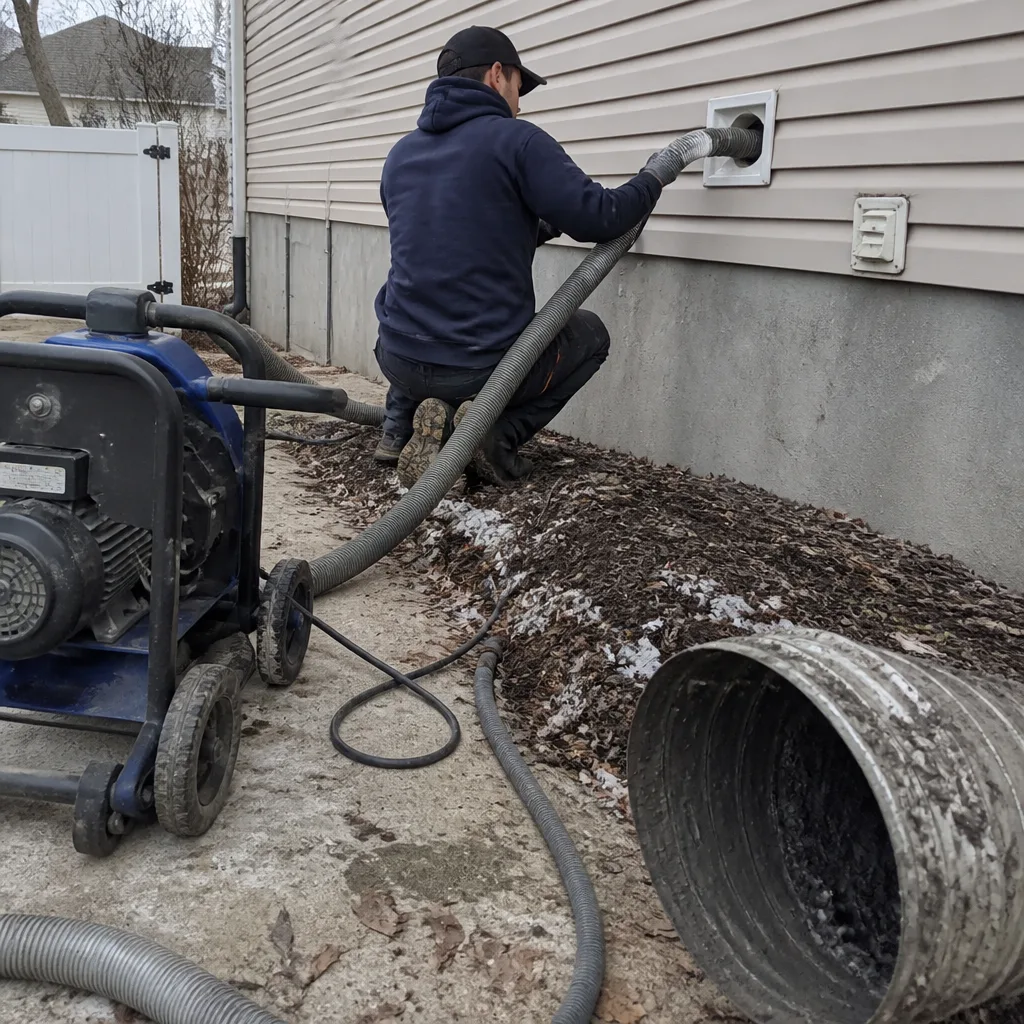 Before
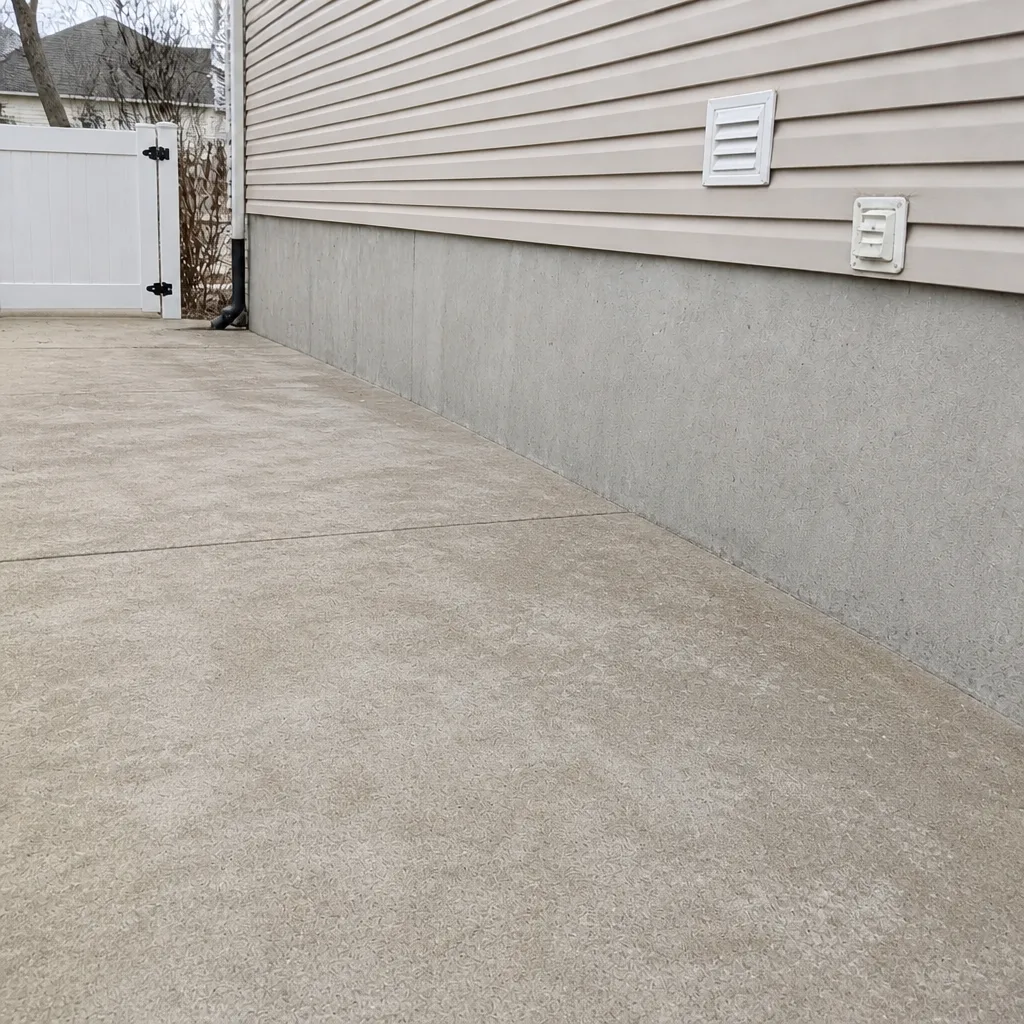 After
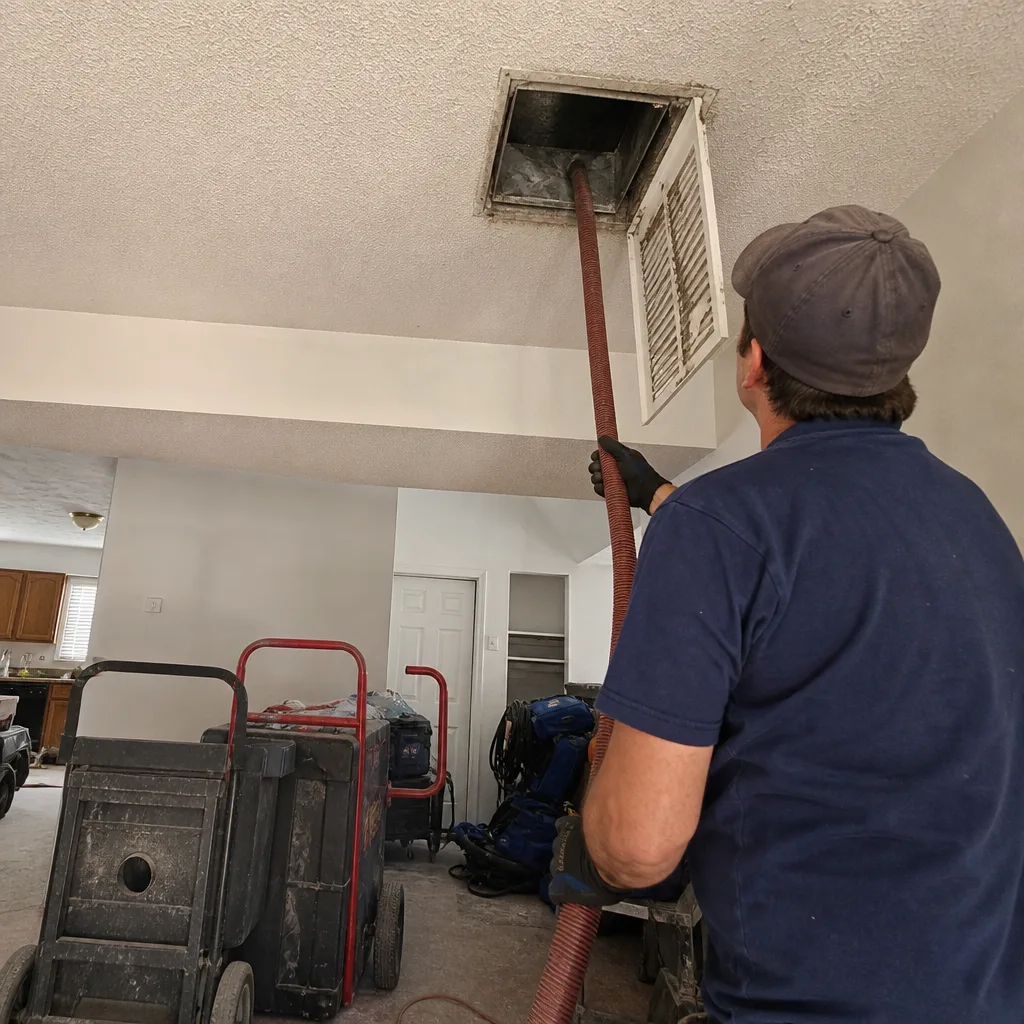 Before
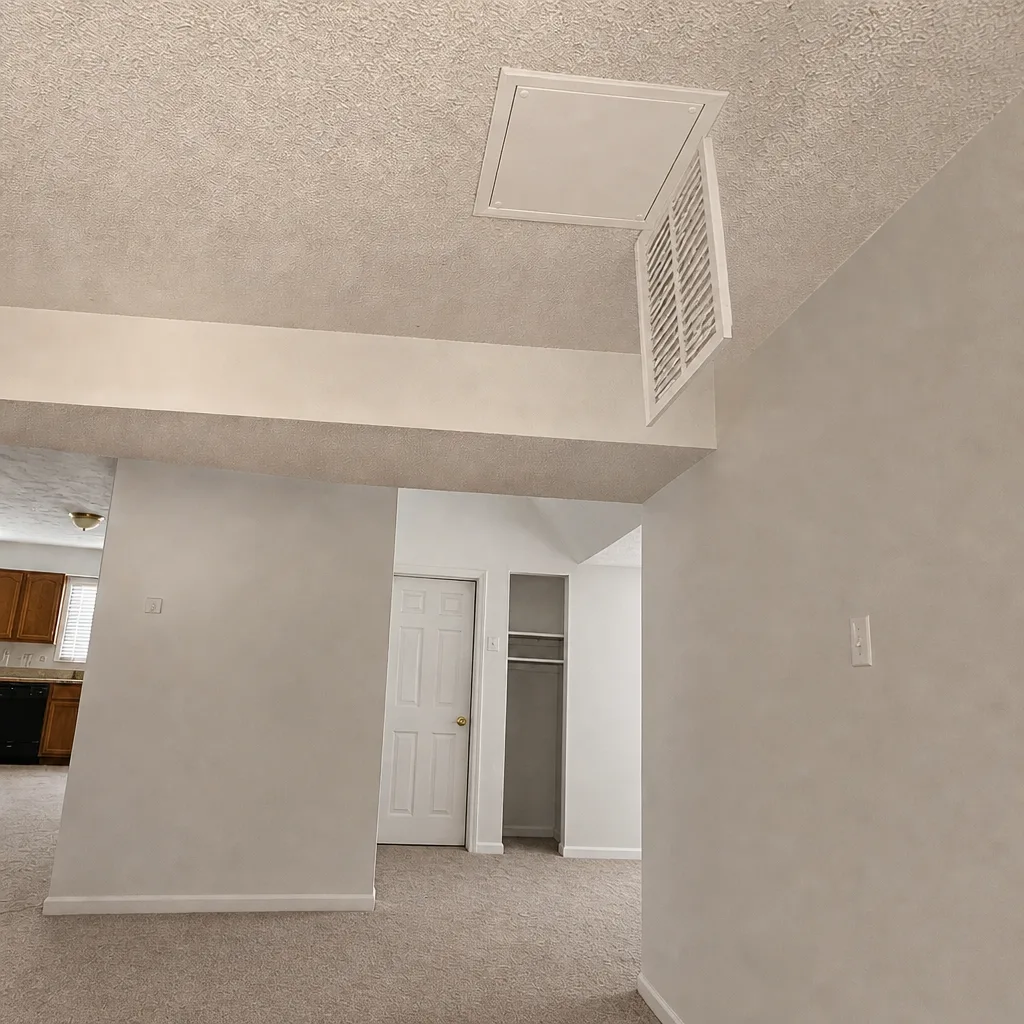 After
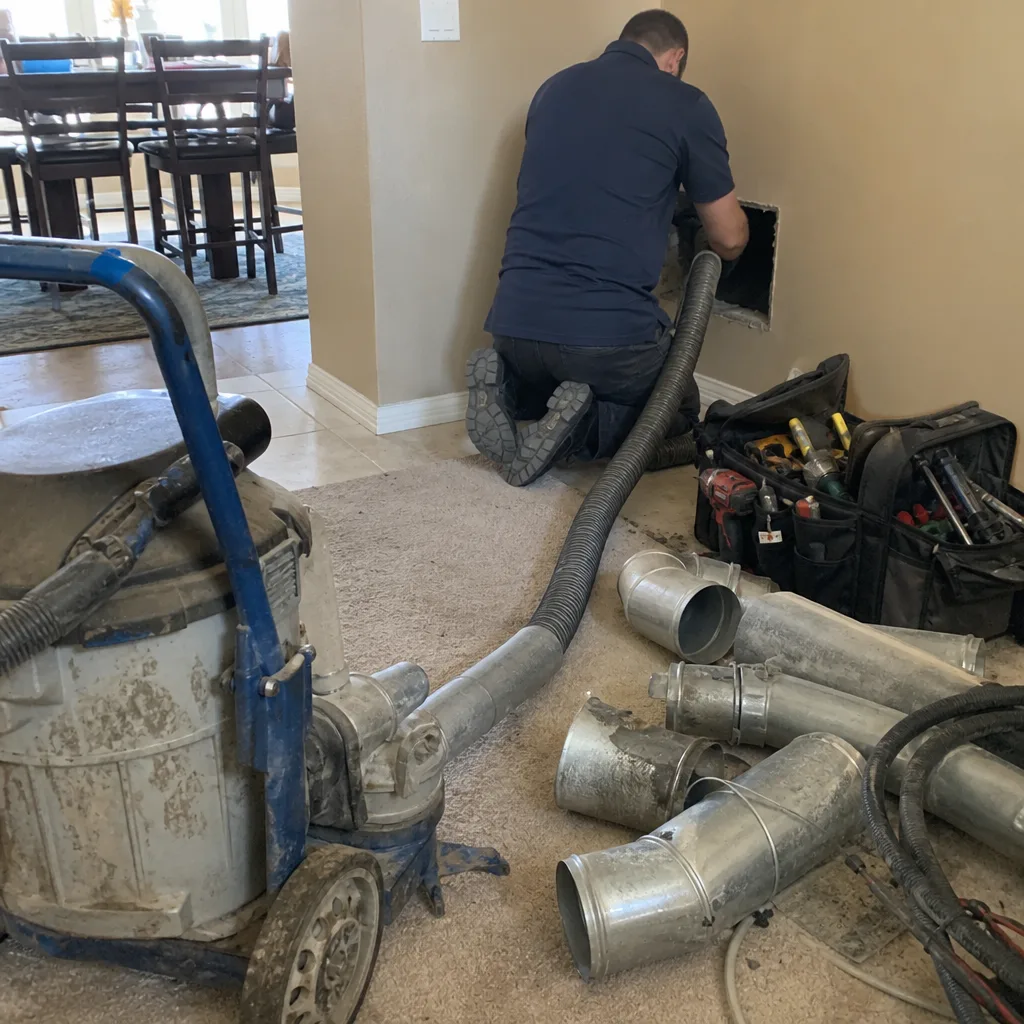 Before
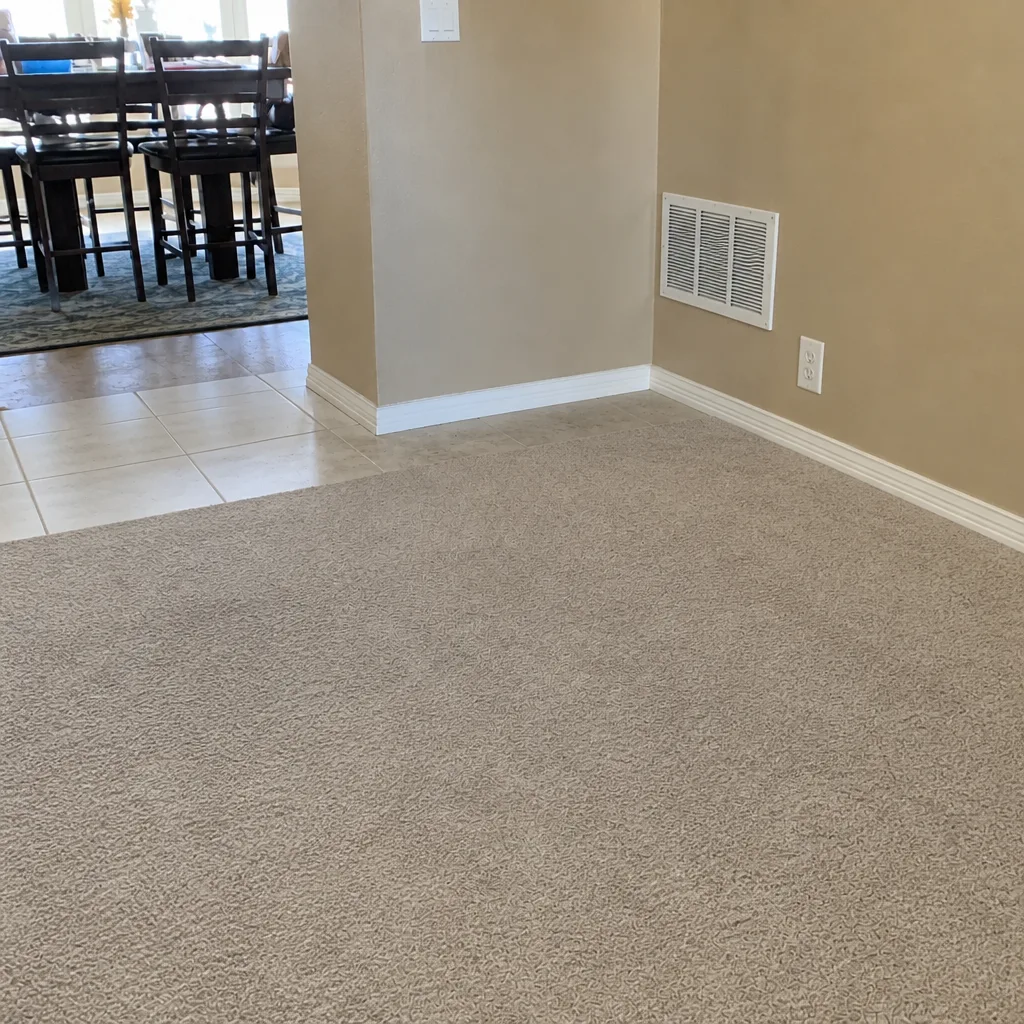 After
When to Call a Professional
Call a professional when the concern is inside the duct system, not at the register. That means: recent renovation, visible debris or pest activity, a flagged inspection, persistent allergy symptoms tied to the HVAC system, or obvious flex duct damage that needs assessment before any cleaning is attempted. Call a professional if the duct system is over 10 to 15 years old and has never been cleaned and inspected, or if the home uses flex duct and shows any sign of disconnected sections. South Jordan Air Duct Cleaning offers free estimates in South Jordan. Call (877) 820-9450. We answer 24/7. Fast dispatch from 7am to 7pm, Sunday through Friday. We serve South Jordan as our home base, and we’re happy to talk through the specific need before you book.
Frequently Asked Questions
A full-system professional cleaning in South Jordan typically runs $400 to $800 for a standard single-family home, depending on square footage, vent count, and system condition. That’s a whole-system range, not a per-vent price. Duct Repair & Sealing adds $250 to $600 if it’s needed, and Air Quality & Sanitizing adds $150 to $400. Call (877) 820-9450 for an exact quote on your home; estimates are free, and the written estimate sets the final price.
Cheap quotes usually mean smaller equipment, less containment setup, a surface-only sweep of the registers, or pricing that changes once the crew is on site. The classic bait-and-switch is a low advertised number that becomes a much larger invoice after the technician inspects. Ask for the estimate in writing, ask what equipment is used (we run Rotobrush and Nikro), and ask whether the price is per-system or per-vent. One flat price per system, agreed before work starts, is the signal of a clean operation. Call (877) 820-9450 to compare an honest estimate.
You can clean registers and the first few feet of a branch with a shop vac and a duct kit, and that’s worth doing. You can’t achieve source removal. A shop vac pulls roughly 100 CFM; the negative air machines we use pull 4,000 to 6,000 CFM, which is what’s required to put the system under negative pressure and agitate debris out. Attempting it with a shop vac often redistributes debris deeper, which makes the professional job harder. Call (877) 820-9450 and we’ll tell you whether your home actually needs a professional visit.
For most South Jordan homes without a specific triggering event, duct cleaning isn’t an annual service. Every three to five years is reasonable for a home with ordinary use, and some homes go longer. The triggers that change the timeline are: recent renovation, pest activity, visible debris, a flagged HVAC inspection, or persistent symptoms tied to the HVAC system. If none of those apply, the DIY tasks above are enough between visits. Call (877) 820-9450 and we’ll talk through your home’s specific situation honestly.
It can. Flex duct has a lined inner surface, taped or collar-connected joints, and internal insulation that can be abraded or loosened by consumer brushes and rods. We’ve been called to South Jordan homes with dislodged flex duct connections in the attic after a DIY cleaning attempt. The repair cost usually exceeds the cleaning quote would have been. If your home uses flex duct, professional equipment and a trained inspection are the safer route. Call (877) 820-9450 to have it assessed.
Yes, renovation dust is one of the clearest reasons to call a professional. Drywall dust and sawdust settle into the ductwork during construction and then circulate through living space for months every time the system cycles. Registers and filters don’t stop it, and a shop vac won’t reach it. Professional cleaning under negative pressure removes it at the source. Call (877) 820-9450 to book a free estimate.
The Bottom Line
The DIY vs professional question isn’t really about cost. It’s about physics. Consumer equipment can’t put a duct system under negative pressure, can’t reach the trunk and return lines, and can’t safely handle flex duct. What a homeowner can legitimately do is handle register cleaning, filter maintenance, and visible dryer vent lint removal. What a homeowner can’t do is full-system source removal, and trying usually makes the professional job longer and more expensive. For a South Jordan home with a real air quality concern, recent renovation, or flex duct system, professional cleaning is the right call. That’s what South Jordan Air Duct Cleaning exists to do: professional-grade equipment, every job. Call (877) 820-9450 for a free estimate. We answer 24/7. Fast dispatch from 7am to 7pm, Sunday through Friday.
Written by the team at South Jordan Air Duct Cleaning.