
Last updated November 25, 2026
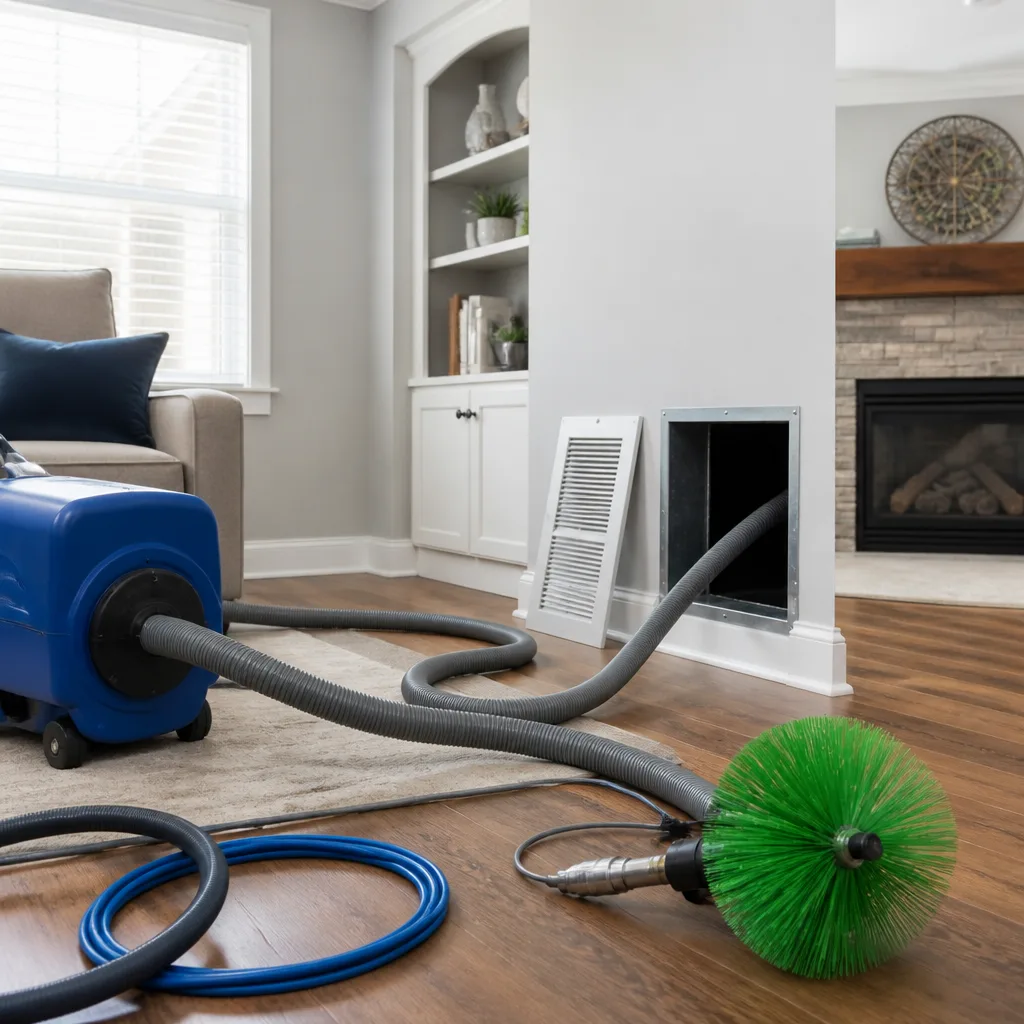 Whole-home duct cleaning
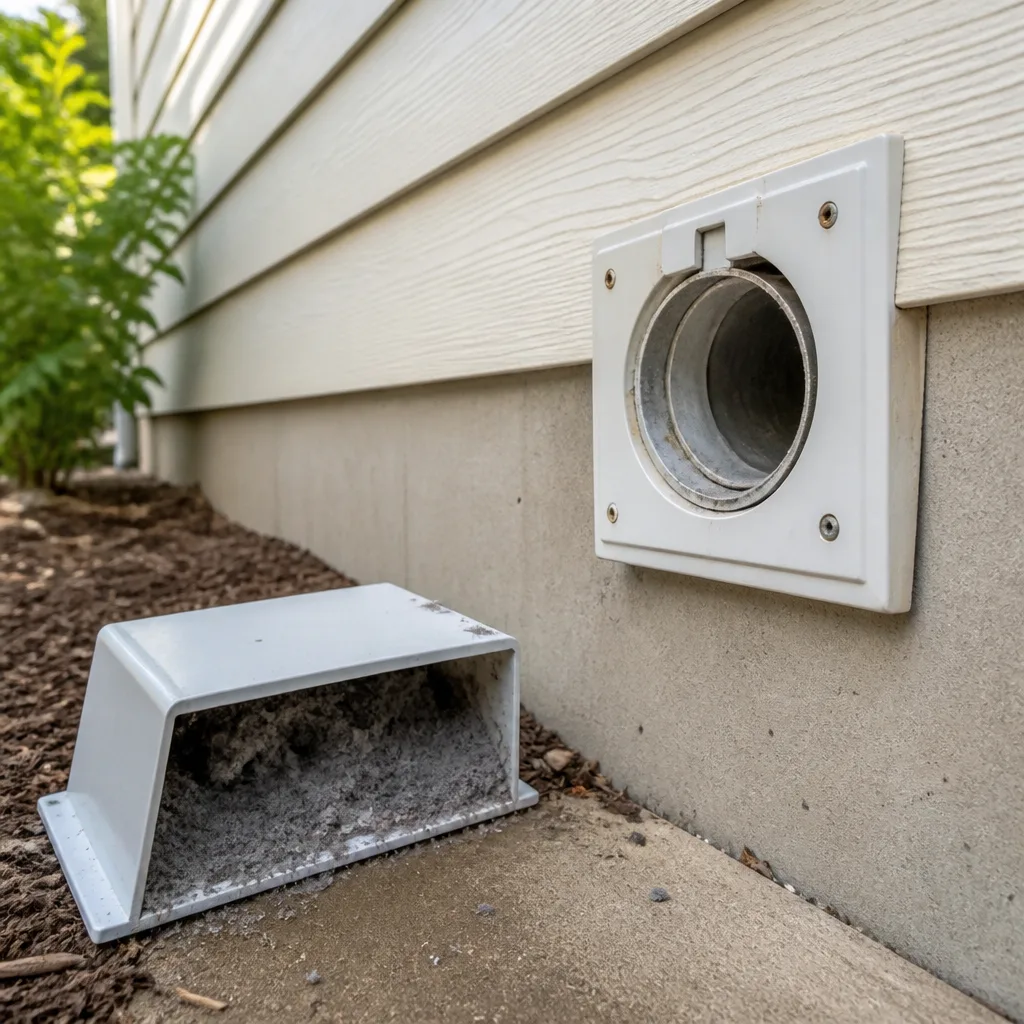 Dryer vent cleaning
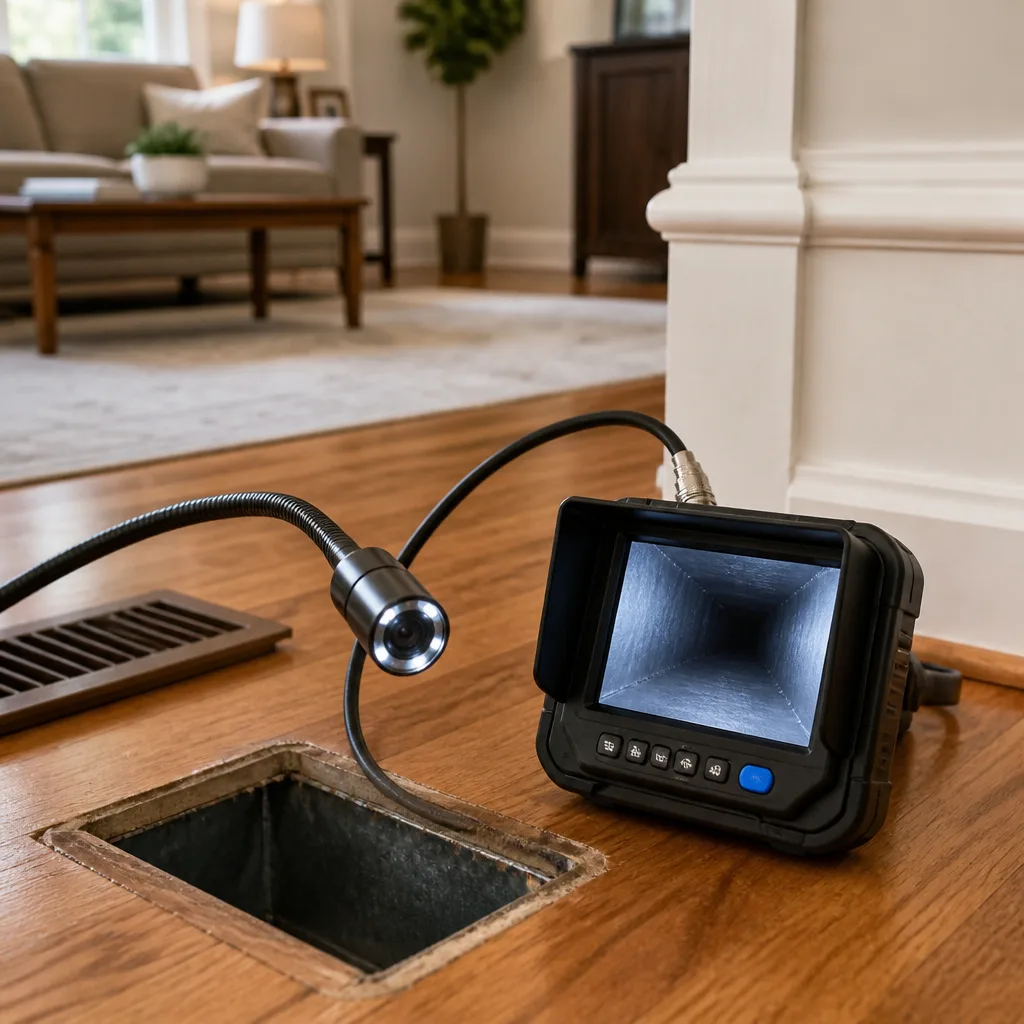 Camera inspection
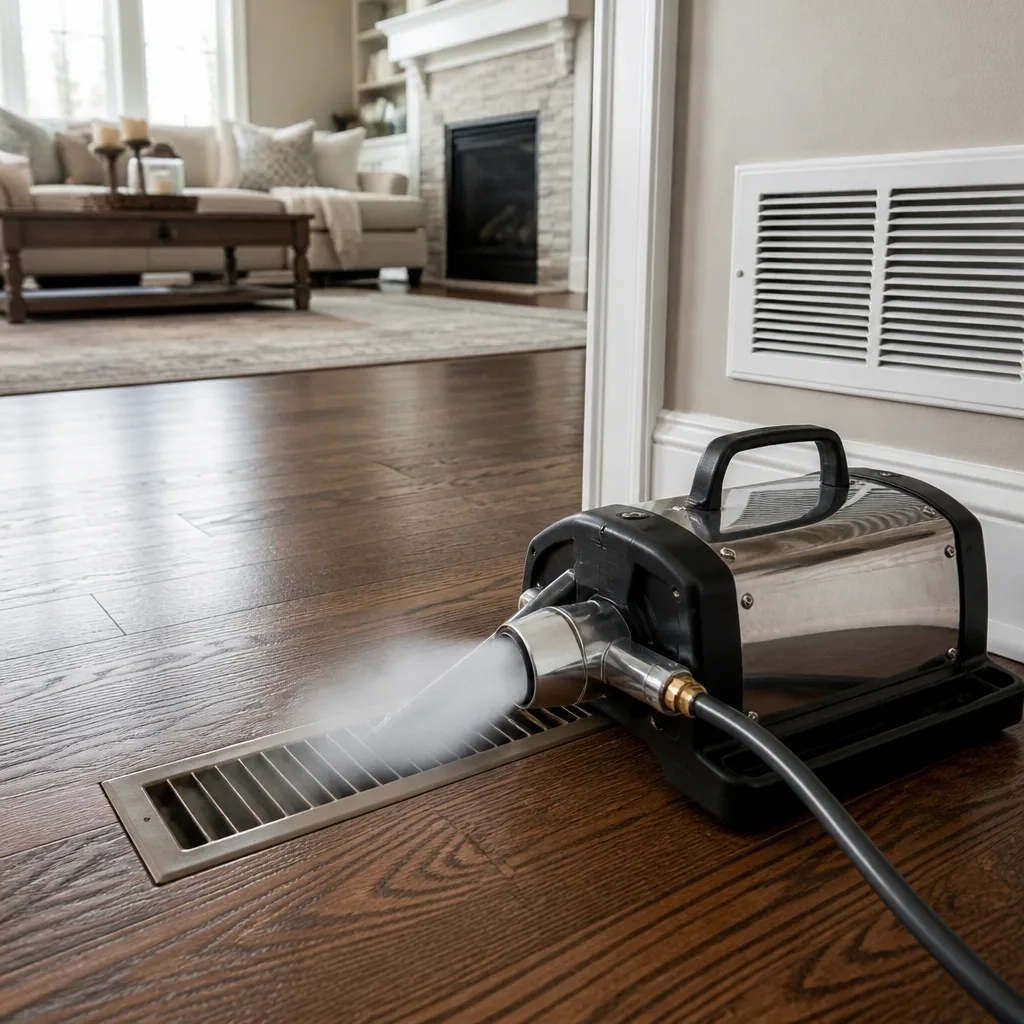 Sanitizing & deodorizing
Whole-system duct and dryer vent check with before-and-after photos - you see exactly what came out of your vents
That "$99 whole-house special" is a bait ad - the real number appears once they are in your hallway, or the "clean" is a shop-vac at the register. We photograph the inside of your ducts before and after instead.
Air Duct Cleaning Warning Signs: A South Jordan Homeowner’s Reference Guide
Visible dust puffing from a register when the system kicks on doesn’t mean your ducts need cleaning. It means something upstream already failed, and cleaning without finding that source is like mopping a floor under a leaking pipe. Most warning-sign lists recycle the same handful of generic symptoms, which is why so many South Jordan homeowners book a cleaning and end up with the same problem six months later. This guide separates cosmetic contamination from the structural and biological signals that point to a real system problem, and it covers the diagnostic differences that actually change what a homeowner should do next.
Quick Answer
The clearest warning signs that South Jordan ducts need professional attention are inconsistent room temperatures and air pressure across registers, musty or metallic odors that return shortly after cleaning, a sharp increase in allergy symptoms that track with HVAC cycles, and visible growth or loose material inside accessible registers. Persistent dust alone rarely justifies cleaning; the signs that matter are the ones pointing to a system integrity or contamination problem.
Styles & brands we work with
- Whole-home duct cleaning
- Dryer vent cleaning
- Camera inspection
- Sanitizing & deodorizing
Table of Contents
- Surface Contamination vs. System Integrity: Why the Difference Matters
- Pressure Imbalance and Uneven Temperatures in South Jordan Homes
- Reading Odors From Your Registers: Musty, Metallic, and Chemical
- What Allergy Patterns Tell You About Contamination Location
- Newly Purchased and Vacant South Jordan Homes: A Different Set of Risks
- Reading the Inside of an Accessible Register: Active vs. Historic Contamination
- How South Jordan’s Dry, Dusty Climate Shapes Duct Contamination
- The Dryer Vent: The Warning Sign Homeowners Miss
Surface Contamination vs. System Integrity: Why the Difference Matters
Surface contamination and system integrity are different problems that call for different responses. Dust on a register grille or light debris on a return is a cosmetic issue; a pressure imbalance, uneven temperatures, or contamination that returns within weeks points to something structural. Treating the second kind like the first wastes the money you spend on cleaning and gives no lasting result.
Surface signs are easy to spot and easy to misread as urgent. Register discoloration around the edges, fine gray dust settling on the blade of a ceiling fan, a light film of particles on a return grille that comes back after a wipe – these are common in most homes and rarely justify a full-system visit on their own. Regular filter changes and a periodic vacuum of accessible grilles address them.
System integrity signs are the ones that change urgency. Watch for:
- Some rooms consistently warmer or cooler than the rest of the house, season after season
- Registers that hardly move air, or that whistle and rush when the system starts
- A drumming, thumping, or hollow sound from a return that wasn’t there previously
- Dust returning to every horizontal surface within days of cleaning
- A filter that’s dirty in one area of the house and clean in another
Those signals suggest a leak in the duct run, a disconnected joint, an undersized return, or a blockage – problems that a vacuum can’t solve and a duct sealing service can. In our experience in South Jordan homes built in the last thirty years, attic duct runs and flex connections near the air handler are the most common places where integrity fails. Finding that problem is the difference between air duct cleaning that helps and cleaning that’s purely temporary.
Pressure Imbalance and Uneven Temperatures in South Jordan Homes
Pressure imbalance shows up as uneven room temperatures, weak airflow at far registers, and doors that resist closing or opening when the system runs. It’s one of the strongest signs that your ducts have a leak, a blockage, or a poorly balanced design – and it’s one of the most reliable reasons to schedule a full diagnostic visit instead of a standard clean.
A ducted system is balanced when every register receives its designed share of air, and any leak or obstruction in the run throws that balance off. A return pulling air through an attic crack, a flex joint disconnected behind drywall, or a crushed flex run in a tight chase are all common in South Jordan homes. When the return side gets starved, interior rooms lose pressure and exterior doors become hard to close. When the supply side leaks into an unconditioned attic, the rooms at the end of the run lose most of their air volume.
You can spot the pattern without instruments:
- Note the room where the system never quite reaches set temperature, no matter the season.
- Watch whether that room’s register has noticeably weaker airflow than others.
- Check whether doors near that room swing open or resist shutting when the blower runs.
- Listen at the return grille during startup – a rush or drumming means the return is undersized or partly blocked.
When two or three of those signals describe your home, the next step is a proper airflow assessment and probably duct sealing, not a standard cleaning. We use Rotobrush and Nikro equipment for both cleaning and inspection, and Abatement Technologies gear when the situation calls for contaminant control. If you’re in a South Jordan neighborhood like Daybreak or the older homes near the Jordan River, the age and duct layout of your home shape what we find. That’s why HVAC cleaning often follows a pressure audit – the two are related problems.
Reading Odors From Your Registers: Musty, Metallic, and Chemical
Odors are diagnostic, not just unpleasant. A musty, earthy smell from a register usually points to microbial growth, often in the return plenum or in flex duct insulation that’s been damp. A metallic or hot-dust smell points to something different – degradation of insulation or a component in the air handler running warmer than it should. Each one calls for a different kind of attention, and cleaning alone doesn’t fix the second.
Here’s how to read the common odors, and what each usually means.
- Musty or earthy: moisture-driven microbial growth, often near the air handler, in returns, or in flex duct that has absorbed condensation. Needs sanitizing with a Guardsman-line treatment after the moisture source is found.
- Metallic or hot-dust: failing insulation, a motor running hot, or a heat exchanger problem in a furnace. A cleaning visit without a diagnostic inspection misses the real issue.
- Chemical or solvent-like: off-gassing from new materials, paint, or a cleaner that’s still volatile. Usually fades on its own; if it persists, it’s worth a look.
- Sour or moldy only in one room: points to a specific leak or a section of duct that’s been wet – often below a bathroom or in a duct run through an unconditioned space.
The pattern of persistence matters more than the smell itself. An odor that returns within a week of a service visit means the source wasn’t found. In South Jordan, where attic and crawlspace moisture swings with the seasons, damp duct runs are a real risk – and musty air that clears in summer and returns in winter almost always traces back to a moisture problem that needs closing before it needs cleaning.
What Allergy Patterns Tell You About Contamination Location
Allergy symptom patterns are a map. When symptoms spike with HVAC cycles, they point to contamination in supply ducts. When they spike during wake-up hours only, they usually point to the bedroom’s return or a mattress-side register. When they cluster in one room of the house, that room’s branch duct is the likely culprit. Tracking the pattern tells you where to look before a technician arrives.
In a South Jordan home with a family showing new or worsening allergies, we’ve seen three patterns most often:
- Waking-hour symptoms. Congestion on first rising, easing through the day. This usually tracks to bedroom registers, bedding, and the return in the master suite.
- HVAC-cycle symptoms. Sneezing fits or itchy eyes within a few minutes of the blower starting. Points to contamination at the air handler or in supply runs, being pushed into the rooms.
- Single-room symptoms. One family member affected in the same space, consistently. Often the room with the weakest airflow or the register directly above a work-from-home desk.
That second pattern is the most telling. If symptoms arrive with the blower, contamination is sitting somewhere in the system and getting distributed every time the system runs. That’s a strong case for air quality and sanitizing, not just a blast of air. Some homes also show a strong seasonal pattern – spring pollen pushed inside and held there, or winter dryness driving particulate counts up when the heat runs. Tracking whether your symptoms track pollen season, heating season, or year-round helps narrow what kind of contamination you’re dealing with.
None of this replaces a medical evaluation, and it’s not meant to. What it does is tell you which rooms and which duct runs to check first, and whether the problem is a whole-system one or local to a single branch.
Newly Purchased and Vacant South Jordan Homes: A Different Set of Risks
A home that’s been vacant carries a specific set of duct risks that look nothing like occupied-home contamination. Stagnant air and closed-up rooms let microbial growth take hold. Construction dust from remodeling settles into the return runs. And rodent activity in empty attics and crawlspaces leaves contamination behind that a normal cleaning won’t address. If you just bought a South Jordan house that sat empty before closing, these are the signs to check for before you move furniture in.
What we look for in a recently vacant home:
- Rodent droppings, nesting material, or chewed flex duct insulation near the air handler or in the attic run
- Stale, closed-up odor that persists more than a day after windows are opened
- Construction dust in return plenums and behind grilles, often from a remodel done before sale
- Musty odor that surfaces only when the system first runs after weeks of being off
- Flex duct sagging or collapsed from attic heat cycling while the house was empty
The reason these matter more in a vacant home is timing. Contamination that would’ve been pushed through and dispersed in an occupied house has been sitting and settling, sometimes for months, in tight closed spaces. That’s especially true for homes in newer South Jordan subdivisions near Daybreak, where tight building envelopes hold moisture and odor inside longer than older, draftier homes do. A new-to-you house is one of the few times we recommend a full diagnostic visit before move-in – the cost of cleaning a system you didn’t contaminate is easier to swallow when you know what’s actually in there.
If you’ve just closed on a South Jordan home and you don’t yet have a maintenance history, treat the duct system like the roof and the water heater: assume nothing, inspect everything, and get the picture before you commit to a plan.
Reading the Inside of an Accessible Register: Active vs. Historic Contamination
The difference between active and historic contamination inside a register is the difference between urgency and routine. Active contamination is growing right now – loose material that flakes when you touch the duct wall, dark staining that spreads over weeks, visible microbial growth with a smell. Historic contamination is settled: a stable gray film of dust that hasn’t changed in months or years. Same visual appearance, very different meaning.
You can usually tell which is which with a flashlight and a little patience. Use these steps:
- Shut off the HVAC system fully and wait a few minutes for the fan to stop.
- Remove a supply register in a room you use often, and a return grille if it comes off easily.
- Shine a light up the duct run and note the color and texture of the buildup.
- Wipe a small section of the duct wall with a clean white cloth. Compare the cloth to the neighboring duct wall – is the film uniform or patchy?
- Note whether any buildup is soft, fuzzy, or smells after the wipe. Fuzzy or smelly = active. Dry and powdery = historic.
- Mark the location, photograph it, and revisit in 30 days. If the buildup has visibly changed, it’s active. If the photo looks the same, it’s stable.
Active contamination changes urgency. Stable contamination is often fine to deal with on a routine schedule. That’s why two homes with the same visible dust can need completely different responses – one to schedule a full sanitation visit, the other to change filters and check back in six months. Very dark, glossy buildup is worth a closer look; very light, powdery film is far less concerning. We use Rotobrush and Nikro gear specifically because it lets us clean and inspect in the same visit, so we’re not making a cleaning recommendation based on one flashlight look. What’s actually happening inside the ductwork determines the plan, and duct repair and sealing may be the right answer when the active problem is a leak, not buildup.
How South Jordan’s Dry, Dusty Climate Shapes Duct Contamination
South Jordan’s dry, dusty climate and its long heating and cooling seasons leave a particular fingerprint on duct contamination. Spring winds carry fine mineral dust across the Wasatch Front, which a normal return filter catches only partly. Summer cooling cycles run condensation through the system. Winter heating dries indoor air and pushes static-clinging particles into every room. And the swing between those seasons is what stresses duct joints and seals.
Practically, that means three things for a South Jordan homeowner:
- Dust load arrives seasonally. Filter changes matter more in spring, when outdoor particulate is heaviest. A filter that lasted three months in another part of the country can load up faster here.
- Cooling-season condensation is a real risk. Flex duct in an unconditioned attic can sweat with the cooling coil running and stop sweating when it doesn’t, so a musty odor that starts in July and eases in October usually has a moisture source.
- Heating-season dryness increases particulate. Dry air means more static, more particles in suspension, and more load landing in the returns. Homes with humidifiers wired into the HVAC system need to be checked for mineral buildup in addition to dust.
The neighborhoods at the south end of the valley, closer to the Oquirrh foothills and the open land beyond, see more windblown soil than the more sheltered central neighborhoods do. Homes in Daybreak have a different set of concerns – tighter envelopes, more recirculated air, and longer stretches between natural air exchanges. Both patterns produce contamination, just of different types. Understanding which one describes your home is how you choose the right response, and it’s one reason we ask about your neighborhood and the age of your HVAC system before we schedule anything.
The Dryer Vent: The Warning Sign Homeowners Miss
Dryer vents clog, and a clogged dryer vent is a leading cause of residential house fires. The warning signs are subtler than most homeowners expect and often blamed on the dryer itself. If your clothes take longer than they used to and the lint trap is empty, that’s not a dryer problem – it’s a vent problem.
Watch for these signals:
- Clothes take two cycles to dry, or feel hotter than usual coming out
- The dryer body or top gets noticeably warm during a cycle
- Lint collects around the outside vent hood instead of blowing clear
- The outside flapper doesn’t open fully or opens only with a puff of air
- A burning or hot-lint smell in the laundry area during a cycle
Any two of those together warrant a professional look. Dryer vents run vertically or through exterior walls, and in many South Jordan homes the vent terminates at the roofline or behind a wall – hard to inspect without the right equipment. We clean dryer vents with the same professional gear we use for ductwork, and we inspect the vent pipe, the transition, and the exterior termination while we’re there. If the vent run is long or has multiple elbows, we check the airflow path end to end rather than just vacuuming the lint trap end.
If your dryer has been slowing down for months and the lint trap isn’t the cause, a dryer vent cleaning is worth scheduling before something worse than a slow dry cycle happens. It’s one of the five service lines we handle in the same visit as duct work when both need attention.
Common Mistakes to Avoid
- Booking a cleaning to fix a dust puff. Dust puffing from a register is usually a supply-side leak, not a duct-cleaning problem. Cleaning without diagnosing the source means the same dust returns within weeks.
- Trusting a coupon price without asking what it covers. Quotes that start very low often cover only the main trunk line and leave the branches untouched. Ask exactly what’s included before you compare bids.
- Choosing a contractor who won’t show before-and-after photos. Any credible duct service should be able to show you what came out of your system. If they don’t, you have no way to verify what was actually done.
- Skipping a new-home diagnostic. If you just bought a South Jordan house that was vacant, don’t wait until after move-in for the first inspection. Rodent intrusion in the attic run is more common than buyers expect, and it needs to be dealt with before you’re relying on the system.
- Treating a musty smell as a cleaning problem. Musty implies moisture, and moisture needs to be found and closed. Cleaning before locating the source is a short-term fix that returns with the next cooling season.
- Ignoring dust on the supply side of a filter. A filter that catches dust before the blower but not before the return is doing half its job. The return side tells you a lot about what’s happening downstream.
- Vacuuming dryer vents yourself without a full-run inspection. A shop vac reaches the first bend and stops. A partial vent clean can push lint further along toward the termination, making the block worse.
See the difference
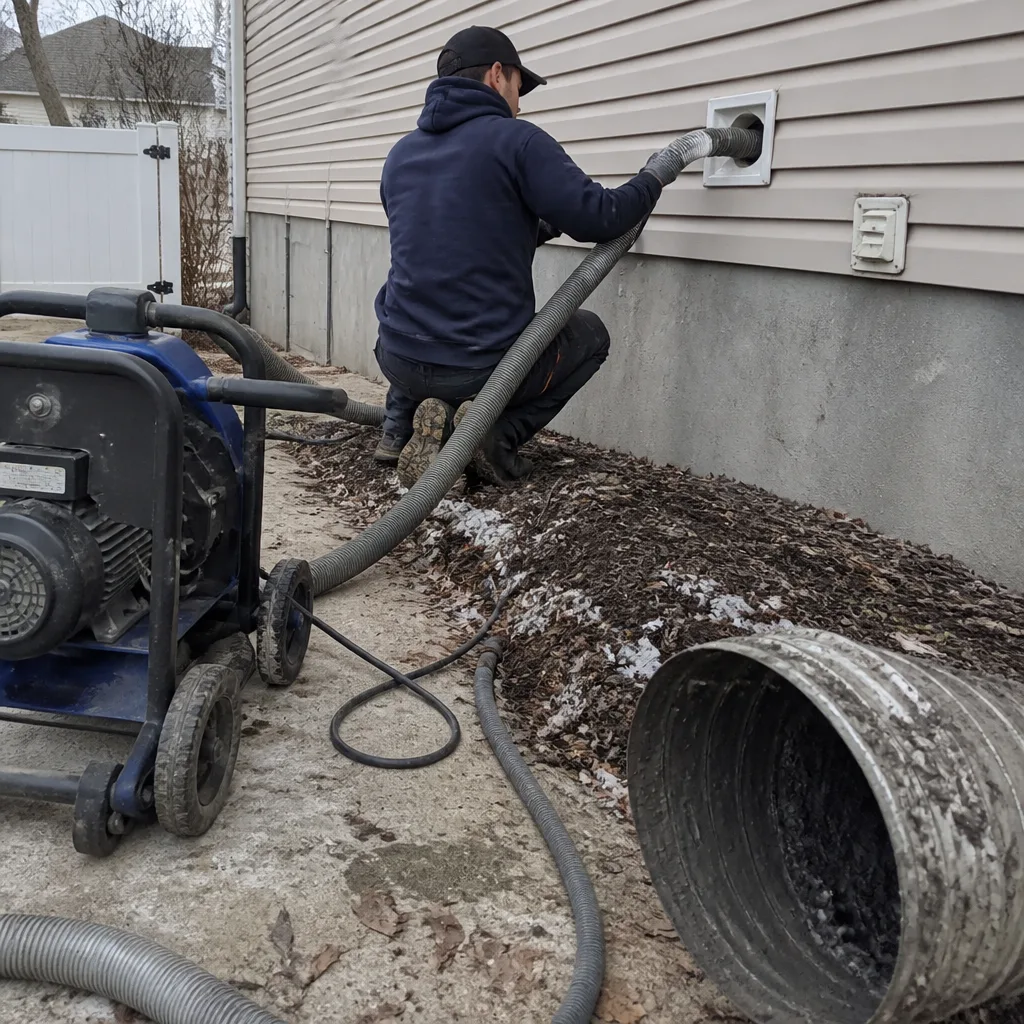 Before
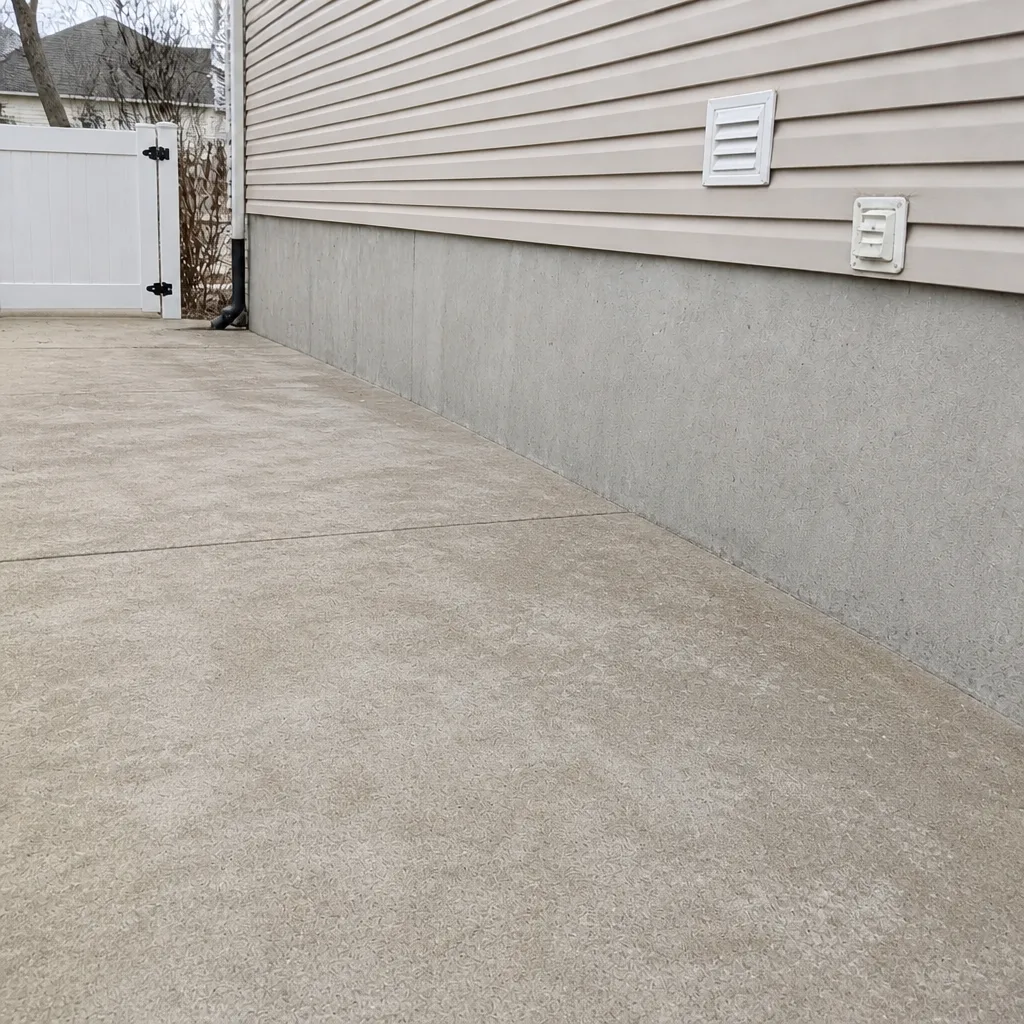 After
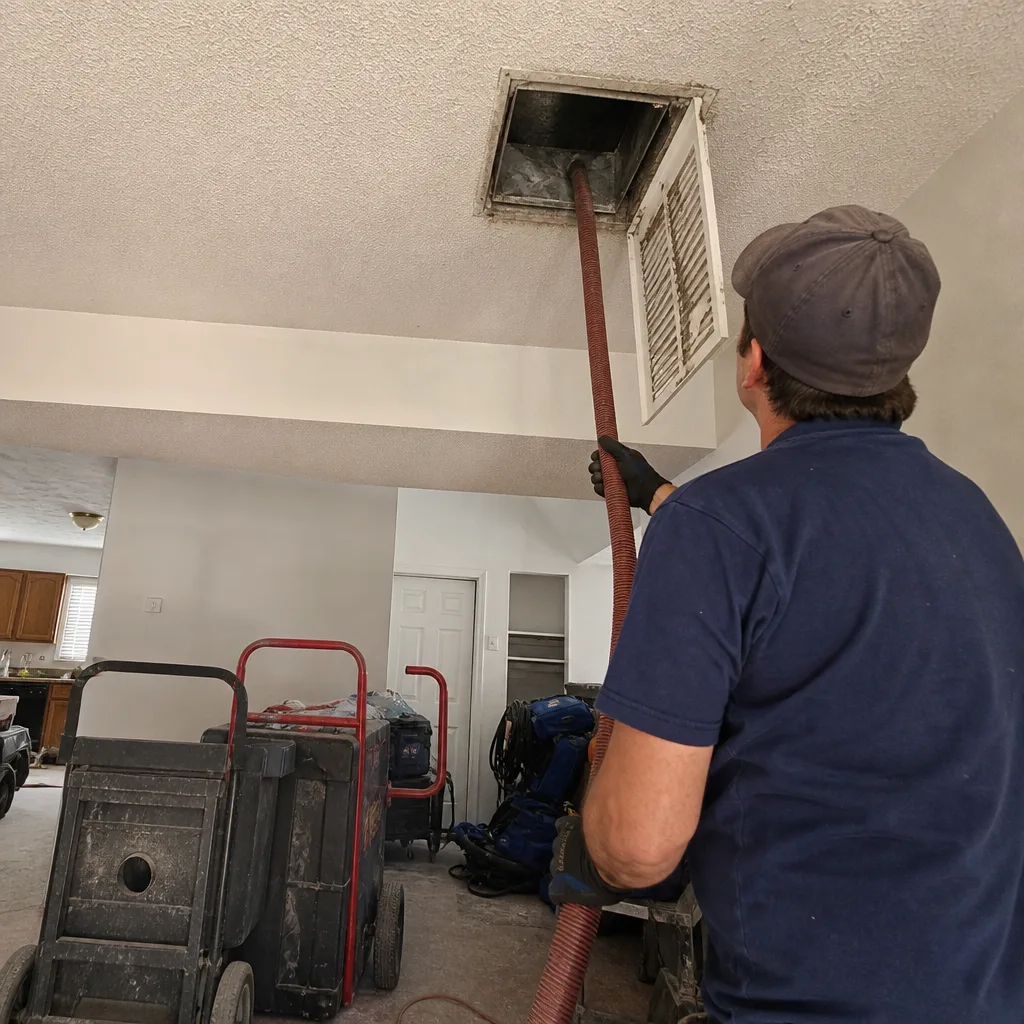 Before
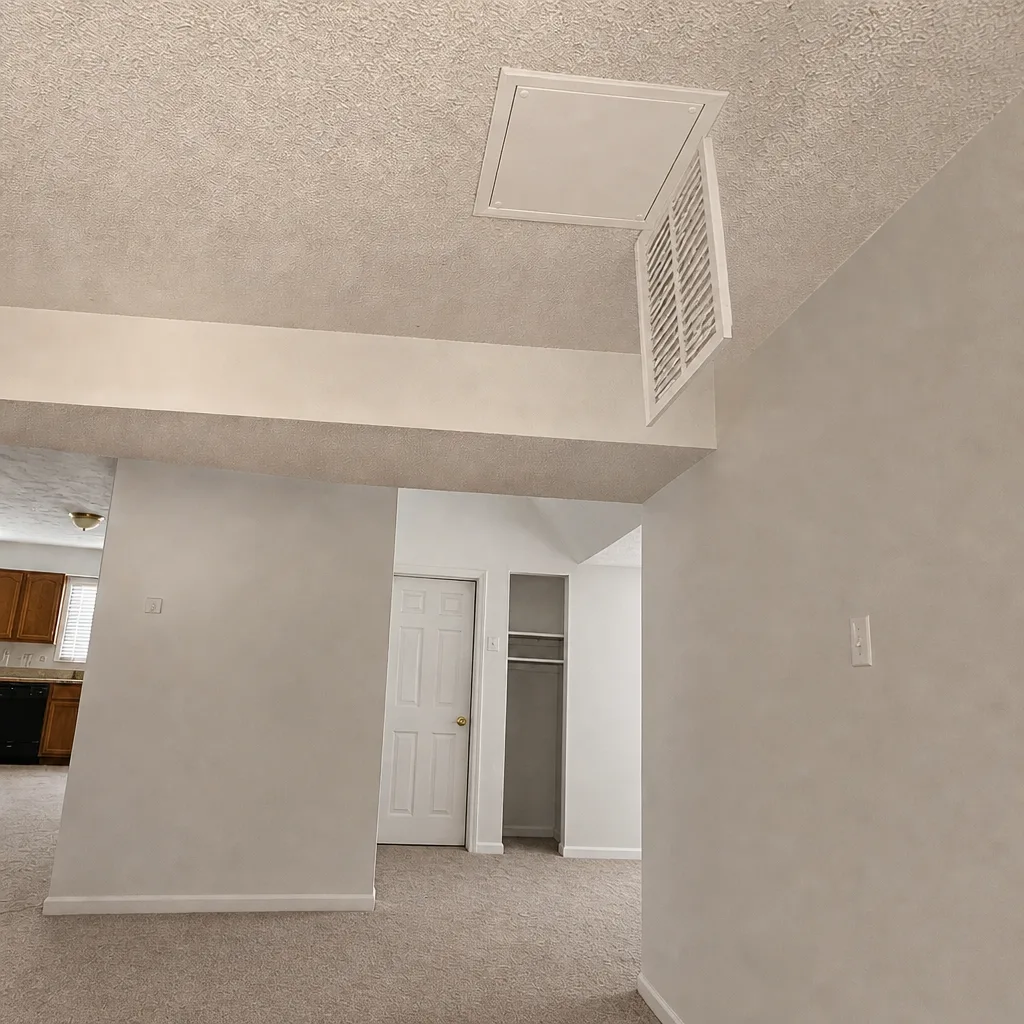 After
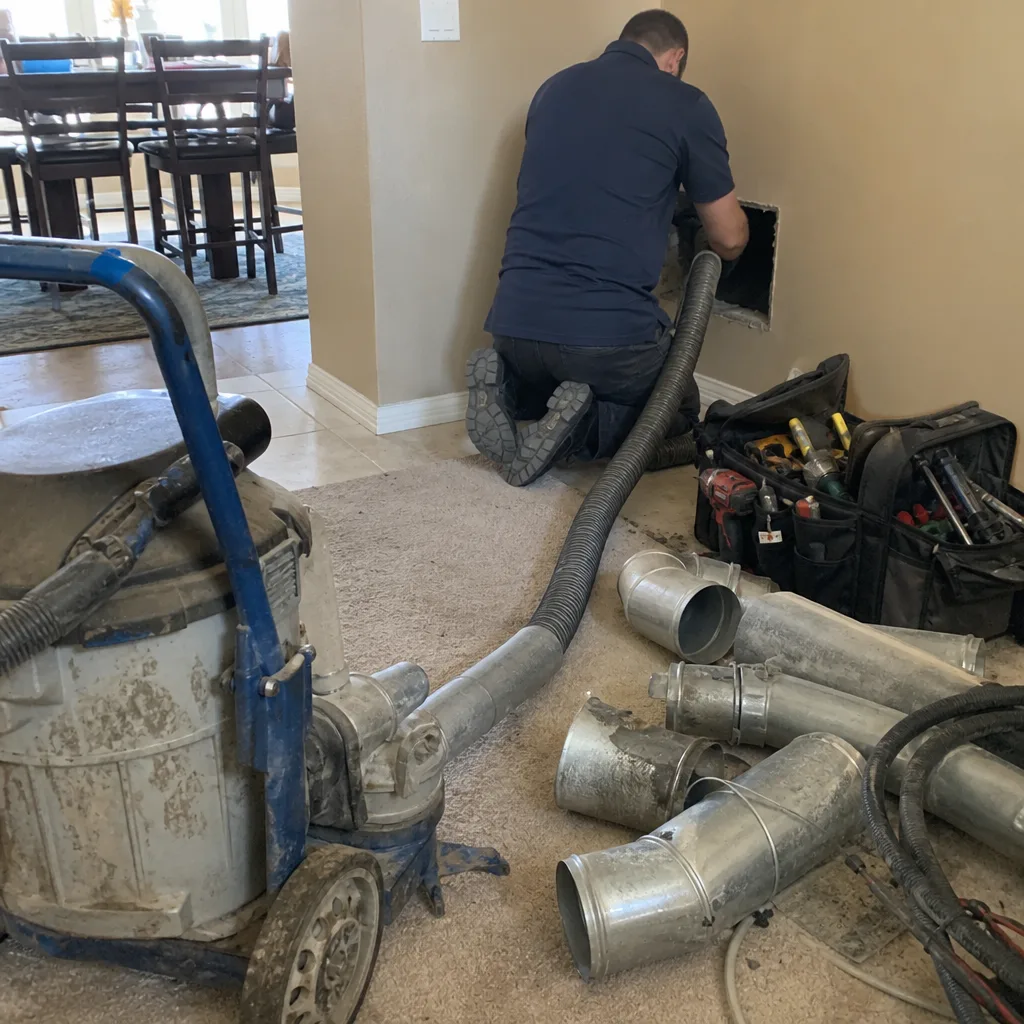 Before
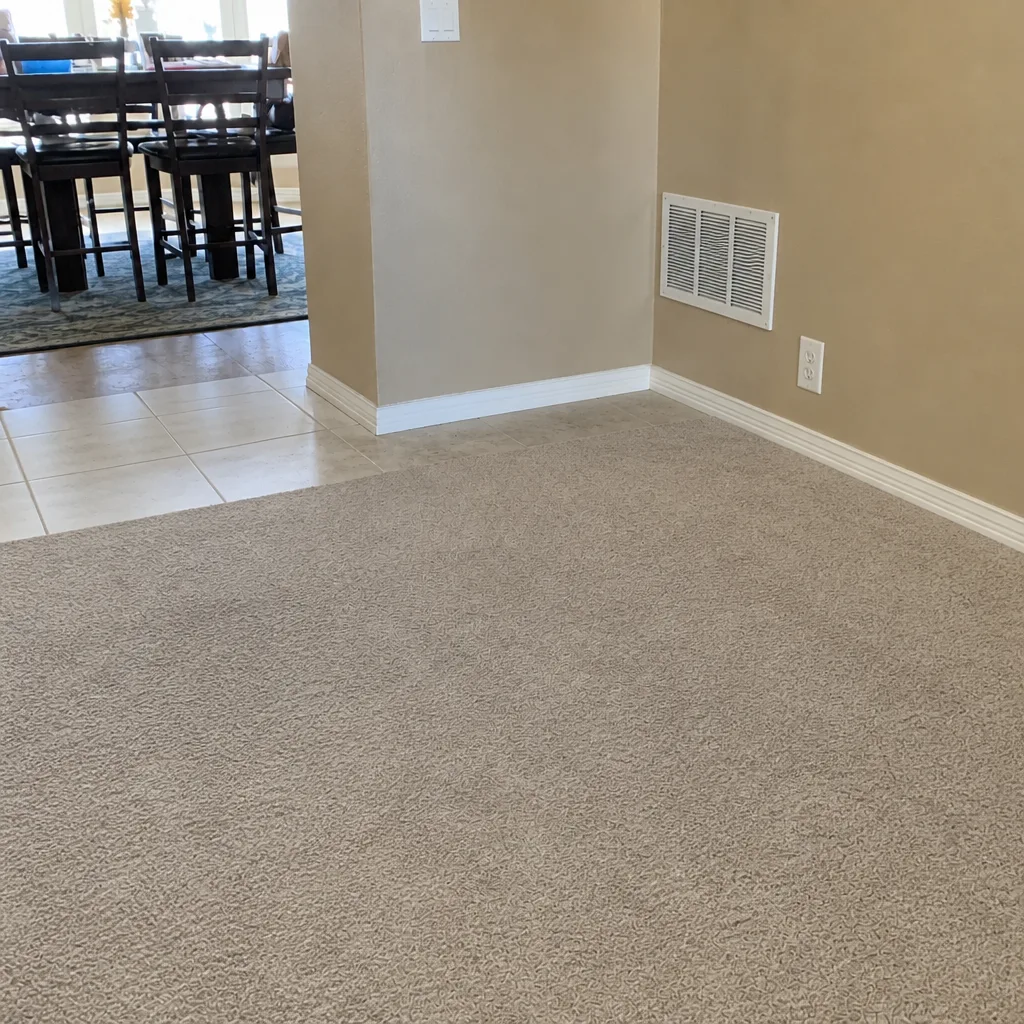 After
When to Call a Professional
Call a professional when you see two or more system integrity signs (uneven temperatures, weak airflow, an active musty smell, or visible growth inside a register) at the same time, when a musty or metallic smell returns within a week of a service visit, when a newly purchased South Jordan home has been vacant for more than a few months, or when a dryer has been taking longer than usual for more than a few weeks. Those scenarios point to something beyond routine cleaning. South Jordan Air Duct Cleaning offers free estimates in South Jordan, and we diagnose before we quote. Call (877) 820-9450 and we’ll talk through what you’re seeing. We answer 24/7. Fast dispatch from 7am to 7pm, Sunday through Friday.
Our technicians have up to 10 years of experience with residential and light-commercial duct systems, and they work with professional-grade equipment from Rotobrush, Nikro, and Abatement Technologies. The local pro we connect you with is licensed and insured as their state requires, and every job gets one flat price per system agreed before work starts – not a per-vent price that grows once the technician is on site.
Frequently Asked Questions
Air duct cleaning in South Jordan typically runs $350 to $700 for a standard single-family system, with larger homes and systems needing repair or sealing running higher. The written estimate sets the final price, and you’ll have that number before any work starts. Call (877) 820-9450 for an exact quote – estimates are free.
Cheap quotes usually mean a partial job: the main trunk gets vacuumed and the branch runs don’t, or the quote covers one vent count and grows once the truck arrives. Ask exactly what’s included, whether the price covers the whole system, and whether before-and-after photos are part of the deliverable. If a quote doesn’t answer those three questions, it’s not a real comparison. Call (877) 820-9450 for an honest whole-system quote – estimates are free.
You know because you see it: before-and-after photos of your own ducts, not stock images. Ask any contractor to photograph each run before and after cleaning and share the photos with you. Call (877) 820-9450 and we’ll walk through what that looks like for your home.
Most homes need a full-system cleaning every three to five years, not annually. Homes with pets, recent renovations, smokers, or family members with allergies often need shorter intervals. Homes near the foothills with heavy dust load may also need it closer to every three years. Call (877) 820-9450 to talk through your specific situation – estimates are free.
It changes the pattern more than the frequency. Dry, dusty air means more airborne particulate and more load on the returns, but the strongest case for cleaning still comes from system integrity or active contamination, not dust load alone. If your home is showing uneven temperatures or recurrent musty odors, that matters more than climate on its own.
Newer South Jordan homes tend to need a diagnostic visit before they need a cleaning. Construction dust from any pre-sale remodel, moisture trapped in tight envelopes, and short vacant periods all leave contamination that a routine clean doesn’t fully address. Book a diagnostic first – you’ll get a plan, not a pitch. Call (877) 820-9450.
Not necessarily. Dust on furniture can come from filters, from the home’s envelope, or from the ducts. The signs that justify cleaning are uneven airflow, musty odors, visible growth inside registers, or dust returning within days of a thorough cleaning. If any of those are present, it’s worth a look.
Yes. We handle duct cleaning, dryer vent cleaning, HVAC cleaning, duct repair and sealing, and air quality and sanitizing under one roof, so the full system gets addressed together. That saves a second visit and keeps the diagnosis coherent – the duct problem and the vent problem are often related.
The Bottom Line
South Jordan ducts tell you what’s wrong if you know where to look. Dust on a register is not the signal; pressure imbalance, musty and metallic odors, allergy patterns that track the blower, active growth inside a register, and a recently vacant home all are. The difference between cosmetic and structural contamination decides whether you need a routine cleaning, a sealing and diagnostic visit, or a full sanitizing. Call (877) 820-9450 for a free estimate, and we’ll help you sort which category your home falls into before you book anything. We answer 24/7. Fast dispatch from 7am to 7pm, Sunday through Friday, closed Saturday.
Written by the team at South Jordan Air Duct Cleaning.