
Last updated November 25, 2026
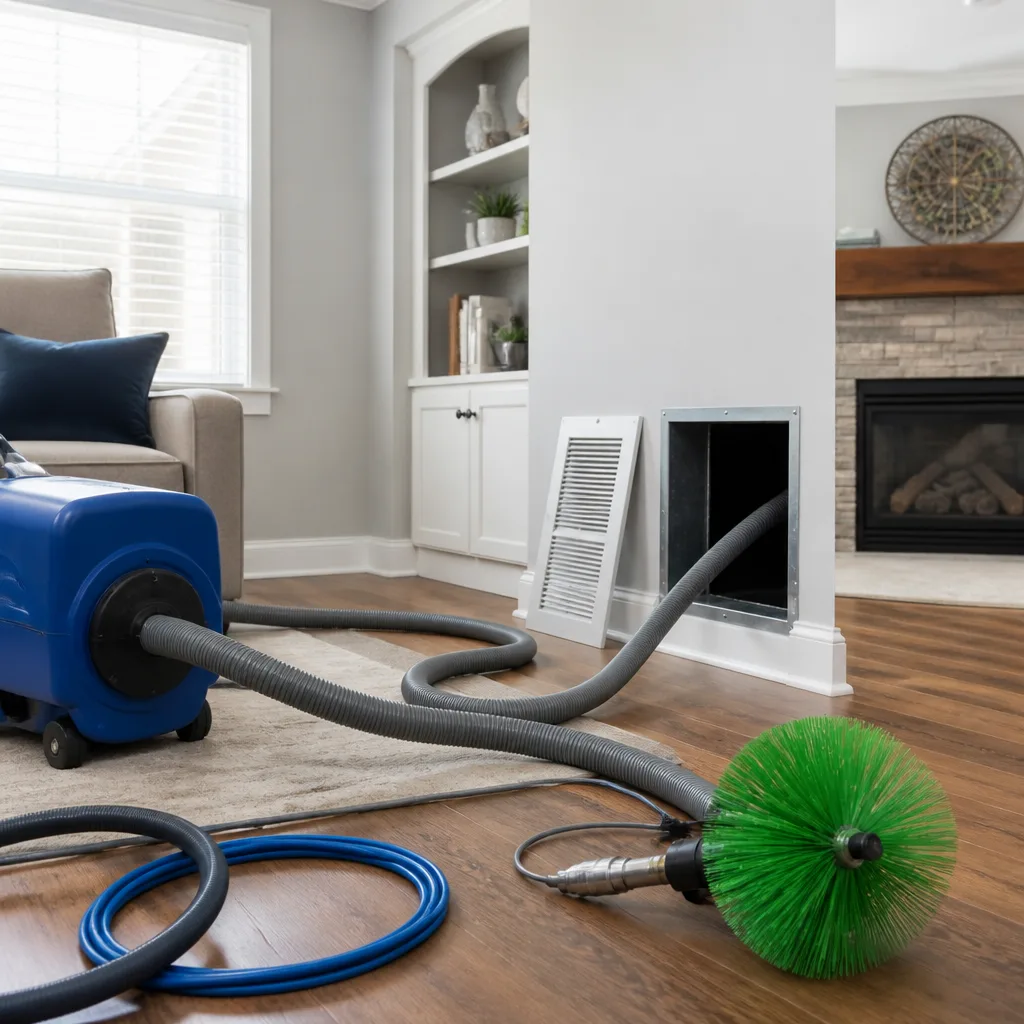 Whole-home duct cleaning
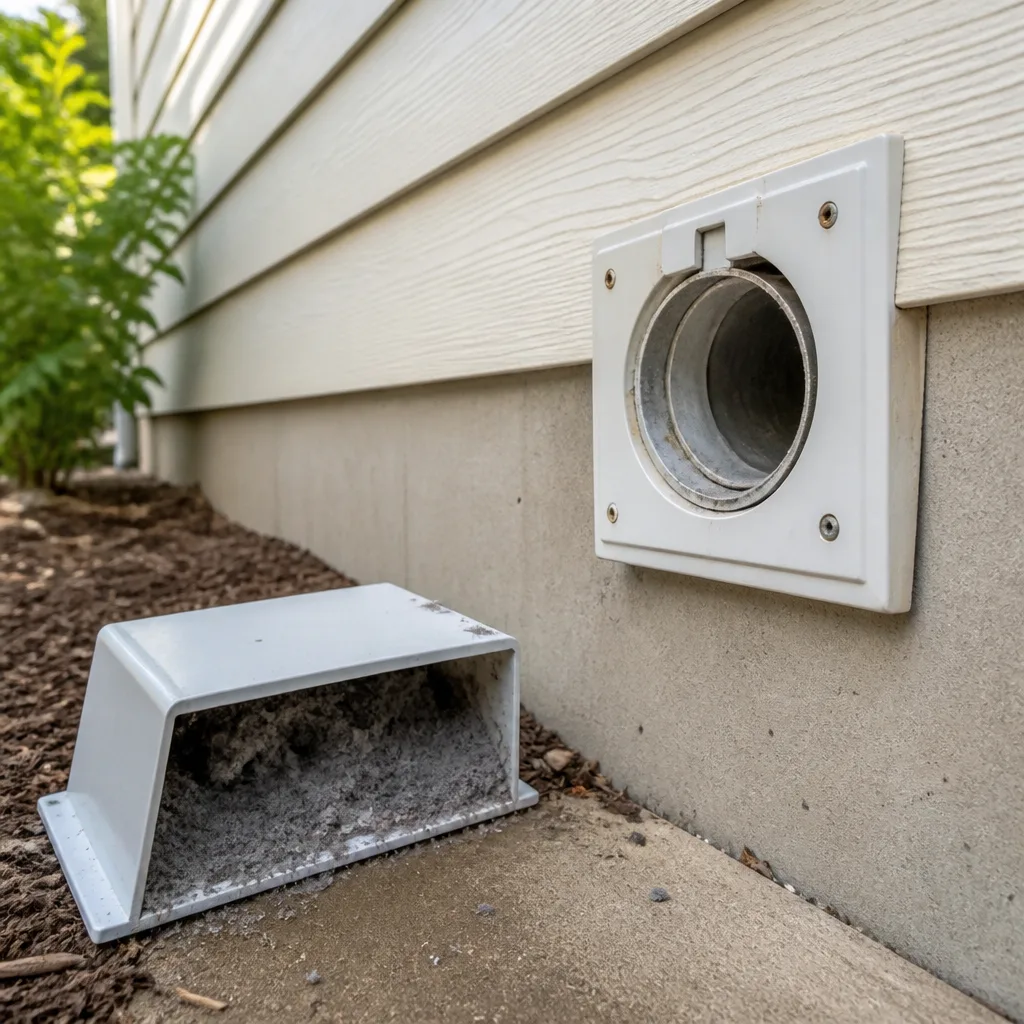 Dryer vent cleaning
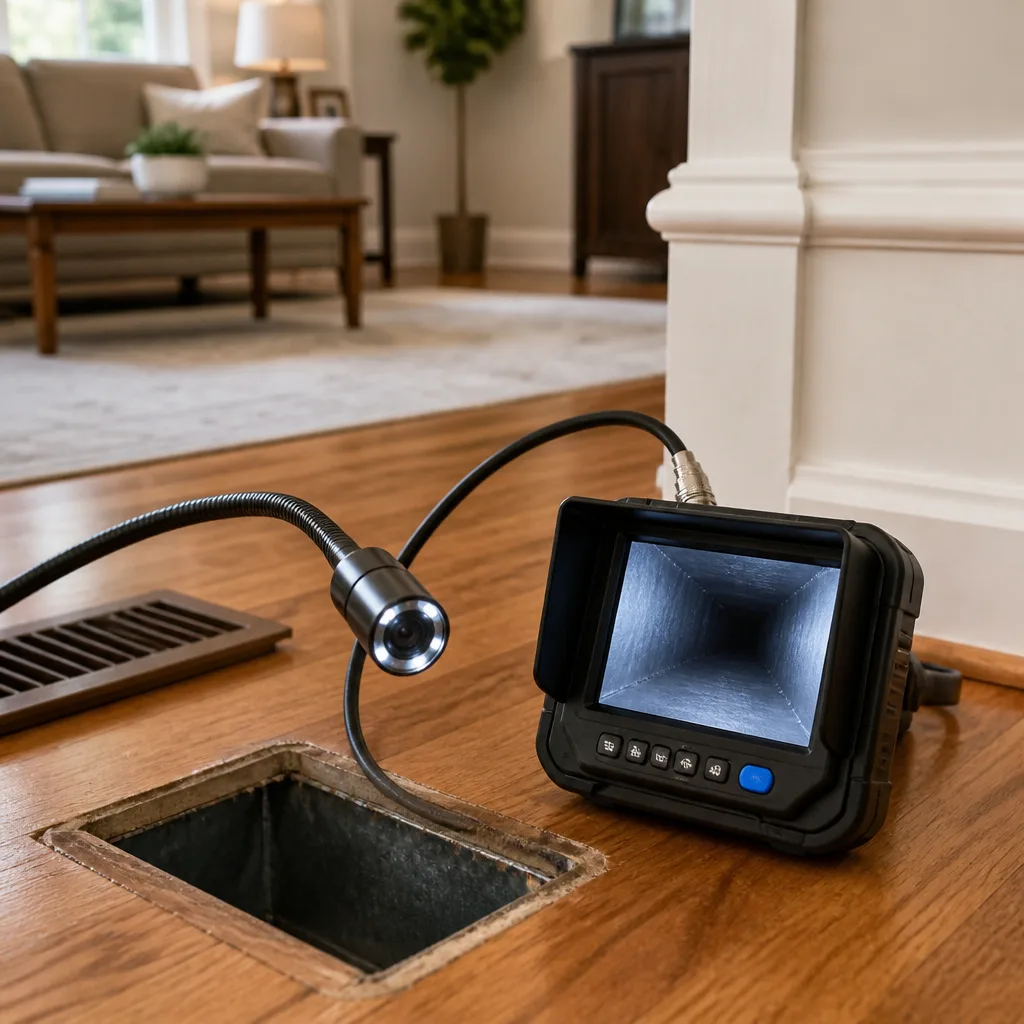 Camera inspection
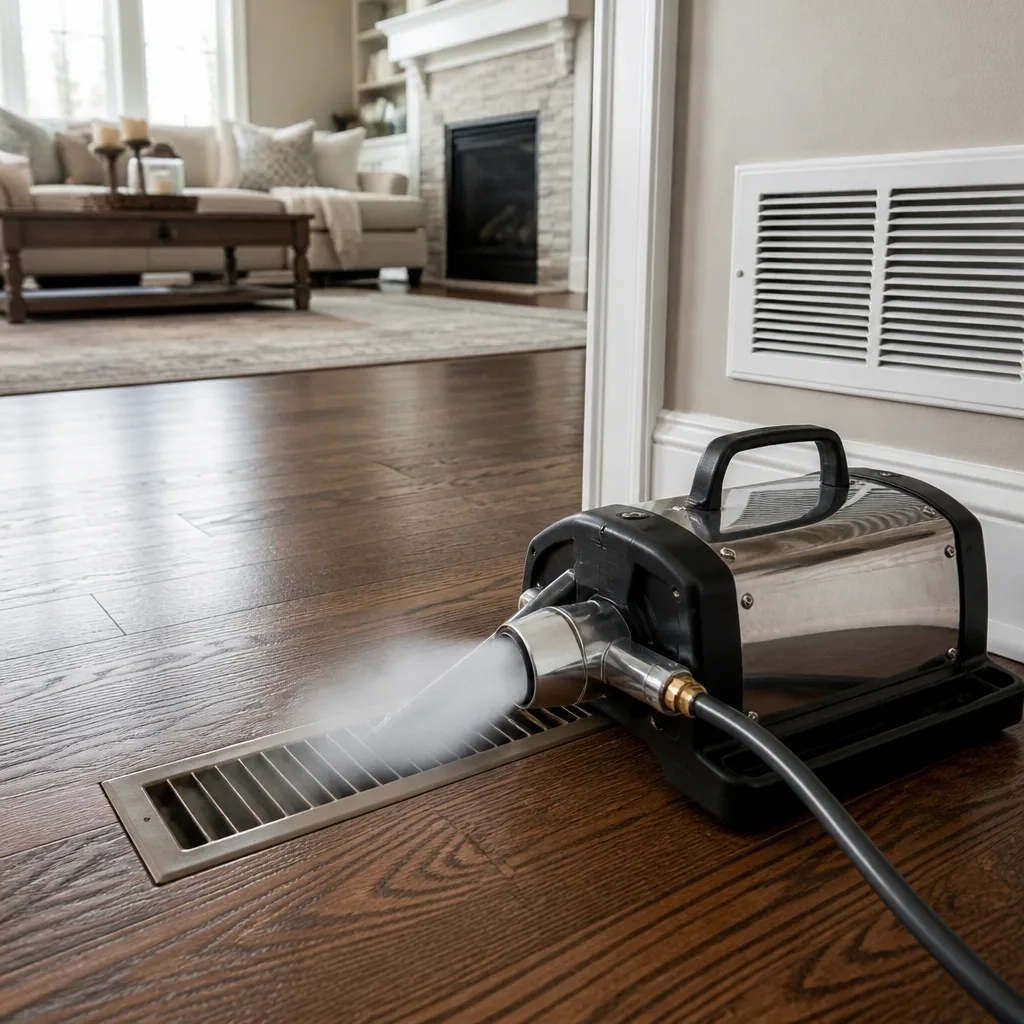 Sanitizing & deodorizing
Whole-system duct and dryer vent check with before-and-after photos - you see exactly what came out of your vents
That "$99 whole-house special" is a bait ad - the real number appears once they are in your hallway, or the "clean" is a shop-vac at the register. We photograph the inside of your ducts before and after instead.
Air Duct Cleaning Permits, Codes & Inspections in South Jordan, UT: What You Need to Know
Here’s the part most homeowners miss: the cleaning itself usually needs no permit, but the moment a technician reseals a plenum, swaps out a flex duct run, or mounts a UV system in your air handler, that’s a code-regulated modification. We’ve watched South Jordan homeowners discover this the hard way at a home inspection, when a buyer’s inspector flags unpermitted ductwork and the seller has to answer for work someone else billed them for. This guide draws the line clearly: what’s maintenance under the Utah Mechanical Code, what counts as modification, how South Jordan’s building department handles after-the-fact permits, and how to protect yourself before the technician starts.
Quick Answer
Routine air duct cleaning in South Jordan, UT does not require a building permit because it’s classified as maintenance, not construction. But duct repair, sealing that alters the system, adding or rerouting duct runs, and installing new equipment like UV purifiers or inline filtration typically fall under the Utah Mechanical Code and require a permit through South Jordan City. The homeowner, not the contractor, is the one left holding an unpermitted-work problem at resale.
Styles & brands we work with
- Whole-home duct cleaning
- Dryer vent cleaning
- Camera inspection
- Sanitizing & deodorizing
Table of Contents
- Where Does Cleaning End and Permitted Work Begin in South Jordan?
- What Does the Utah Mechanical Code Say About Duct Work?
- How Does South Jordan City Handle After-the-Fact Duct Permits?
- What Do Utah’s Energy Code Amendments Mean for Duct Sealing?
- How Do You Request Documentation Proving the Work Was Classified Correctly?
- When Do Insurance Claims Get Denied Over Unpermitted Prior Work?
- Why South Jordan’s Climate Makes Duct Integrity a Code Issue
- What Happens at a Real Estate or Post-Work Inspection?
- Common Mistakes to Avoid
- When to Call a Professional
- Frequently Asked Questions
Where Does Cleaning End and Permitted Work Begin in South Jordan?
The dividing line is simpler than it looks: cleaning removes debris from an existing system, while anything that changes, replaces, or adds to the system begins to look like construction. The Utah Mechanical Code treats maintenance and repair differently, and South Jordan’s building department follows that distinction when deciding whether a permit is required.
Here’s how we break it down for homeowners every week.
Usually No Permit Required (Maintenance)
- Source removal of dust, debris, and buildup from existing supply and return ducts
- Cleaning the air handler’s accessible interior surfaces
- Sanitizing duct interiors with antimicrobial treatment as part of a routine cleaning (see our South Jordan Air Duct Cleaning scope of service)
- Dryer vent cleaning, which is a separate safety service and not part of the HVAC mechanical system
- Register and grille removal for cleaning and reinstallation
Usually Permit Required (Modification or Repair)
- Replacing one or more flex duct runs, or rerouting duct segments
- Sealing a plenum, air handler connections, or duct joints with mastic where the seal alters a combustion appliance’s environment
- Adding a new supply or return register in a room that didn’t have one
- Installing a UV purification system, inline filter box, or bypass humidifier that ties into the ductwork
- Repairing crushed or disconnected ducts in unconditioned attic space where the fix involves structural attachment
The trap is that all of the second-list items can be pitched to a homeowner as part of a “deep cleaning visit.” When a technician calls it cleaning but files it as a repair, the paperwork is the only place that truth shows up. According to the Utah Mechanical Code framework, it’s the property owner who carries the burden of a compliant system, even if a contractor performed the work.
What Does the Utah Mechanical Code Say About Duct Work?
The Utah Mechanical Code adopts the International Mechanical Code with state and local amendments, and it’s the chapter on duct systems that matters here. Ducts carrying conditioned air are equipment, not incidental building material, and the code sets minimum requirements for construction, support, and sealing. Replacing a duct section without following those standards can leave a system that “works” but isn’t code-compliant.
Three points to know:
- Duct systems must be designed and installed to code. When a segment is replaced, the replacement has to meet the same standard as new installation. That includes material type, support spacing, and sealing method. A rushed attic patch with foil tape qualifies as neither.
- Sealing requirements apply to joints and connections. Supply and return duct connections, boots at registers, and plenum connections all fall under code sealing rules. That’s why re-sealing a plenum isn’t routine cleaning.
- Mechanical permits are issued at the local level. The Utah Mechanical Code provides the standard; South Jordan’s building department issues the permit and inspects the work.
If you’re unsure whether your planned work crosses the line, the safest approach is to ask the contractor to state, in writing, which code chapter governs the task and whether a permit is needed. Our own field position is that cleaning visits should stay on the cleaning side of the line and any repair or modification item be quoted and permitted separately. That’s how we structure our air duct cleaning visits, and why we carry professional-grade Rotobrush and Nikro equipment built for source removal, not for attic construction.
How Does South Jordan City Handle After-the-Fact Duct Permits?
After-the-fact permits exist for exactly one reason: someone skipped the original permit. When a duct repair, run replacement, or new equipment installation was done without a permit and you now need the record, South Jordan’s building department can typically accept an application for the unpermitted work, inspect it, and require corrections if anything doesn’t meet code. The permit itself usually costs less than homeowners fear.
The real cost is the correction path. Here’s what typically happens in a South Jordan after-the-fact situation:
- You submit an application describing the work already done. You may need to disclose the date and contractor, if any. Some cases require a plan or a scope drawing.
- The department schedules an inspection. The inspector reviews duct supports, sealing, penetrations, and any equipment involved.
- Corrections are noted. This is where the cost lives. Attic duct runs that weren’t properly strapped, joints that weren’t sealed to code, or disconnected supplies all show up here.
- You hire the correction and re-inspect. Only after the corrections pass does the permit close.
The expenses stack: original permit fee, inspection, correction labor, and a second inspection. Add the delay on a sale closing and you’re looking at thousands in practical cost for what started as a “small” duct fix. In our experience, most South Jordan homeowners who end up here had a technician do “repair” work during a cleaning visit without telling them it needed a permit. Our HVAC cleaning service is scoped to stay on the maintenance side, and anything requiring a permit is flagged and priced before the visit begins.
What Do Utah’s Energy Code Amendments Mean for Duct Sealing?
Utah adopts the International Energy Conservation Code with state amendments, and the energy code makes duct sealing and insulation a compliance issue whenever ductwork is part of a broader change. South Jordan has a lot of older homes where attic duct runs were never insulated to current standards. When those runs get touched during a retrofit, the energy code rules kick in.
The practical implications for South Jordan homeowners:
- Ducts in unconditioned space must meet minimum insulation values. If you’re replacing attic duct runs, the new runs need the required insulation wrap, not bare flex. This is a code question, not a preference.
- Sealing is measured, not eyeballed. The energy code treats duct leakage as a compliance metric on new construction and significant alterations, and inspectors can ask for verification on permitted work.
- Impact on heating and cooling costs. South Jordan’s summers push the AC hard, and a duct system leaking into a 140-degree attic is money on the roof. Code-grade sealing on attic runs pays back in reduced cooling load, which is why we look at duct sealing as an air quality and efficiency project rather than a chore.
If your home’s attic ducts are between 20 and 40 years old and were never insulated to current standard, mention that to whoever bids the job. A proper bid will acknowledge the energy code, and a proper install will show it. Our Duct Repair & Sealing service is built for that scope, and we specify Guardsman-line protective coatings where sealing and sanitizing intersect, since those products are recognized in the trade for protective-coating work.
How Do You Request Documentation Proving the Work Was Classified Correctly?
Most homeowners never ask. That’s the entire problem, and it’s why unpermitted work travels from one owner to the next. The fix is a short paper trail you can request before a technician starts, and again before you pay.
What to Ask For, In Order
- A written scope of work. Ask the contractor to name the tasks in plain language: “source removal of debris from existing ducts” versus “replacement of three supply runs and re-seal of plenum.” The words matter.
- A permit statement. Ask directly: “Will any of this work require a South Jordan city permit, and if so, who is pulling it?” Get the answer in writing on the estimate.
- The written estimate, itemized. A cleaning line item and a repair line item should not be merged. That’s the easiest way to spot work that’s being quietly slid into the cleaning bucket.
- Before-and-after photos of your own ducts. Not stock images. Photos of your return plenum, your register boots, and the accessible air handler surfaces. Insist on seeing your ducts, not the contractor’s brochure.
- A completed permit copy, if one was pulled. Keep it with your home records. This is what a future buyer’s inspector will ask for.
One flat price per system, agreed before work starts, is our standard, and it’s also the cleanest documentation practice in the industry. A contractor quoting per vent, per run, or per hour has an economic incentive to find extra items mid-visit. If you want a second opinion on documentation practices, see how our dryer vent cleaning service handles safety documentation as a model: everything is documented, nothing is verbal.
When Do Insurance Claims Get Denied Over Unpermitted Prior Work?
Insurance carriers ask about prior work for a reason: they exclude coverage for losses caused by non-compliant construction. In air quality and HVAC terms, that can mean claims tied to moisture intrusion, mold growth, or fire involving duct or vent systems, where the carrier can trace the loss to work that didn’t follow code.
Where this shows up for South Jordan homeowners:
- Mold remediation claims. If a duct system leaked condensation into a wall cavity and mold followed, the carrier may deny if the ducts weren’t installed to code or were never permitted. Our Air Quality & Sanitizing service addresses contamination, but the insurance question is a code and documentation question that precedes the cleaning.
- Dryer vent related fire claims. Dryer vent cleaning is a leading cause-of-fire reduction measure because lint buildup ignites. If a claim involves a dryer vent fire and the vent was improperly installed or rerouted without a permit, the carrier can challenge coverage.
- Water damage from humidification systems. A bypass humidifier installed on ductwork without a permit can void a claim if it fails and floods a ceiling.
The takeaway: the permit isn’t only about the city. It’s about making sure your insurer has nothing to argue about. When we quote an air quality project involving Abatement Technologies-grade remediation work, we walk through the code question with the homeowner before the visit because the last thing anyone wants is a clean system and a denied claim.
Why South Jordan’s Climate Makes Duct Integrity a Code Issue
South Jordan sits in the Salt Lake Valley, and the local climate puts duct systems through two stress tests a year. Winter inversions trap cold air in the valley, which means the heating system runs hard for weeks at a time. Summer highs routinely push triple digits, and the AC handles a load most of the country never sees. Ducts that would last decades in a mild climate age faster here.
What that means for code compliance:
- Attic duct runs are exposed to extreme swings. The same flex run sees freezing nights and attic temperatures that climb above 130 degrees in July. Foil tape dries out and lets go of joints. When it does, sealing that should have been code-grade becomes a leak.
- Static pressure problems follow incomplete systems. A collapsed flex run or a disconnected boot in a Daybreak or SoDa Row attic forces the air handler to work against resistance. That’s an efficiency issue and a code question if you’re already doing permitted work nearby.
- Winter dry air amplifies the value of tight duct seals. A leaky return near a crawl space pulls in valley particulate and redistributes it. Sealing plus filtration, in our view, belongs in any whole-home air quality recommendation rather than a single cleaning visit. That’s why we work with Honeywell and Aprilaire filtration and humidity products, since those systems depend on a duct assembly that holds.
South Jordan’s growing inventory of newer construction in Daybreak, SoDa Row, and the neighborhoods east of the Jordan River means many homes are hitting their first major duct retrofit window. Getting the code piece right the first time is cheaper than discovering it at resale.
What Happens at a Real Estate or Post-Work Inspection?
The home inspector almost always finds unpermitted duct work. Inspectors are trained to look for missing permit records when they see evidence of modification, and they write it up as a deficiency, not a suggestion. That deficiency goes into the report the buyer reads, and the buyer’s agent will use it in the negotiation.
What a typical inspection reveals:
- New duct segments without permit paperwork. A flex run replaced during a “cleaning” visit stands out to an inspector because the material and strapping won’t match the rest of the system.
- Plenum seals that look fresh. Mastic applied recently on a plenum connection signals repair work, and the inspector will ask who did it and whether it was permitted.
- Aftermarket equipment without a permit record. A UV light in the air handler or an inline filter box with visible new penetrations raises the question.
- Disconnected or crushed ducts in attic spaces. Inspectors crawl attics, and a South Jordan attic in summer is a hot, dusty crawl they still complete.
Our approach is to help homeowners pre-empt the problem. Before a sale, a whole-system review through our HVAC cleaning process often surfaces repair items the current owner needs to know about, and we tell them what should be permitted if they go forward. It’s better to know now than to write a credit into a closing.
Common Mistakes to Avoid
- Assuming “cleaning” means no permit for the whole visit. Cleaning itself doesn’t need a permit, but the moment a technician replaces a duct run or reseals a plenum, the job changed. Ask what tasks on the ticket require a permit, in writing, before the technician unloads.
- Trusting a contractor who pulls their own permit without showing you the copy. The permit record is your documentation. Ask for the permit number before work starts in South Jordan, and keep it with your home file.
- Skipping the question on attic duct insulation. Utah’s energy code amendments set a minimum insulation value on duct runs in unconditioned space. A replacement run that skips the insulation wrap may pass a casual look and fail an inspector.
- Letting a UV purifier or inline filter be installed during a cleaning visit. These are equipment installations tied into the ductwork and typically trigger the permit question. Get the scope in writing before it happens.
- Not keeping before-and-after photos of your ducts. Photos of your own plenum, register boots, and air handler surfaces are what you’ll wish you had at resale or after a claim. Ask for them, keep them.
- Assuming your insurance will cover a moisture or fire loss regardless of prior work. If a carrier can trace a loss to unpermitted HVAC work, coverage can be challenged. Permit records are cheap insurance against that argument.
- Believing the paperwork is the next owner’s problem. In South Jordan, unpermitted duct work is your problem while you own the home; it becomes a negotiation chip the day you sell.
When to Call a Professional
Call a professional when the job involves more than removing debris from your existing system. That includes any repair to a duct run, resealing of a plenum, adding a UV system, or addressing a crushed duct in an attic. Call us if you’re not sure which side of the line the work falls on; we’ll tell you plainly. South Jordan Air Duct Cleaning offers free estimates in South Jordan, and our technicians have up to 10 years of experience with source-removal equipment and whole-system diagnostics. Call (877) 820-9450. We answer 24/7. Fast dispatch from 7am to 7pm, Sunday through Friday. The estimate is free, the price is set per job by the written estimate, and it’s one flat price per system agreed before any work begins.
Frequently Asked Questions
No, routine air duct cleaning in South Jordan does not require a permit because it’s classified as maintenance under the Utah Mechanical Code. But if the technician replaces ductwork, reseals a plenum, adds a register, or installs UV or filtration equipment tied into the ducts, that work is typically a permitted modification. Call (877) 820-9450 for an exact quote on your situation; estimates are free.
The current homeowner is responsible. South Jordan’s building department addresses the property, not the contractor’s paper trail, so the owner of record has to apply for an after-the-fact permit and cover any corrections. If you bought a home with unpermitted duct work, get the scope reviewed and permitted before the next sale.
Air duct cleaning in South Jordan is typically priced as a whole-system job rather than per vent, and the price is set per job by the written estimate. Quote prices that look dramatically cheaper than the rest are almost always per-vent bait. We give one flat price per system, agreed before work starts. Call (877) 820-9450 for an exact quote; estimates are free.
Because they’re usually not whole-system quotes. A low per-vent teaser price often becomes a larger invoice once the technician is on site and starts naming additional line items. Ask for a written scope, a per-system price, and before-and-after photos of your own ducts. If a contractor won’t put those in writing, the quote isn’t meaningful.
You see it, documented, on your own property. Ask for before-and-after photos of your return plenum, register boots, and accessible air handler surfaces, and for a copy of any permit pulled. Cleaning without documentation is a verbal promise. We provide photos of your own ducts, not stock images, and one flat price per system agreed before work starts.
Most South Jordan homes do well on a multi-year cycle, and the real trigger is a change: a renovation, a new furnace or AC, a post-inspection flag, or a visible dust problem. Dryer vent cleaning is a different schedule and should be checked more often because of fire safety. Call (877) 820-9450 and we’ll talk through what makes sense for your home; estimates are free.
We answer 24/7. A call outside dispatch hours is booked into the next opening, Sunday through Friday, 7am to 7pm. The phones never go to voicemail.
The Bottom Line
The line between cleaning and permitted duct work in South Jordan isn’t hard to hold once you know where it sits. Cleaning is maintenance and doesn’t need a permit. Repair, sealing, run replacement, and new equipment installations generally do, and the Utah Mechanical Code plus the local building department govern how those permits work. The homeowner carries the responsibility at resale, inspection, and insurance review, which is why asking about permits before work starts is the single most valuable habit on this whole page. One flat price per system, one written scope, and one set of before-and-after photos of your own ducts is the standard worth holding a contractor to. Written by the team at South Jordan Air Duct Cleaning.
See the difference
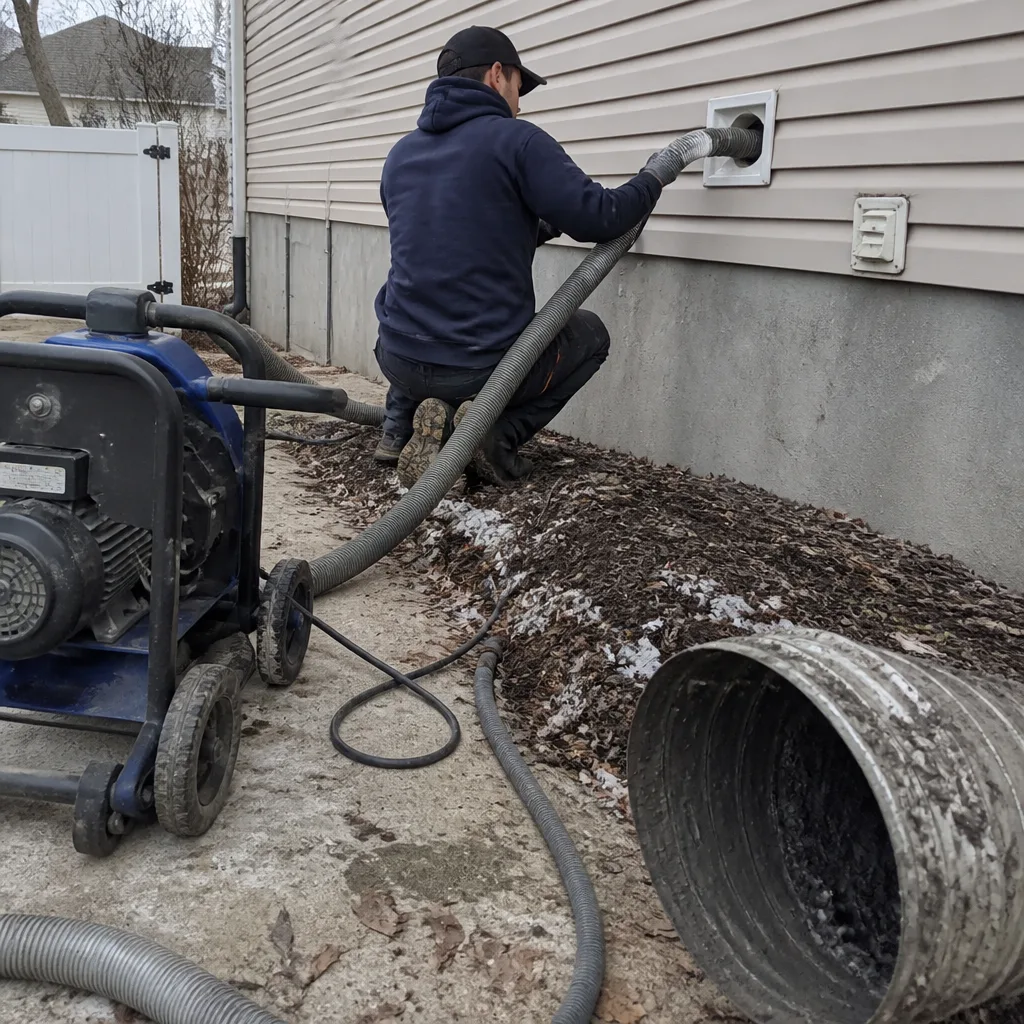 Before
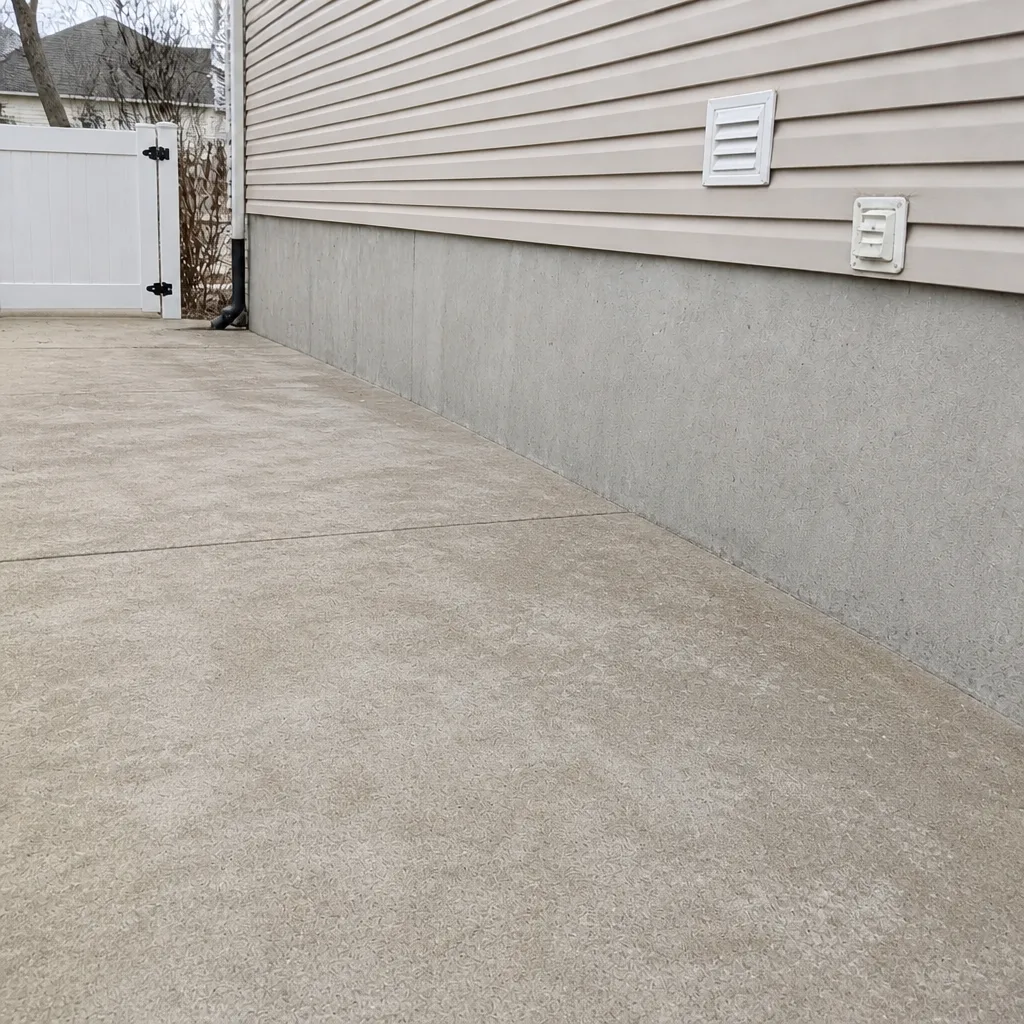 After
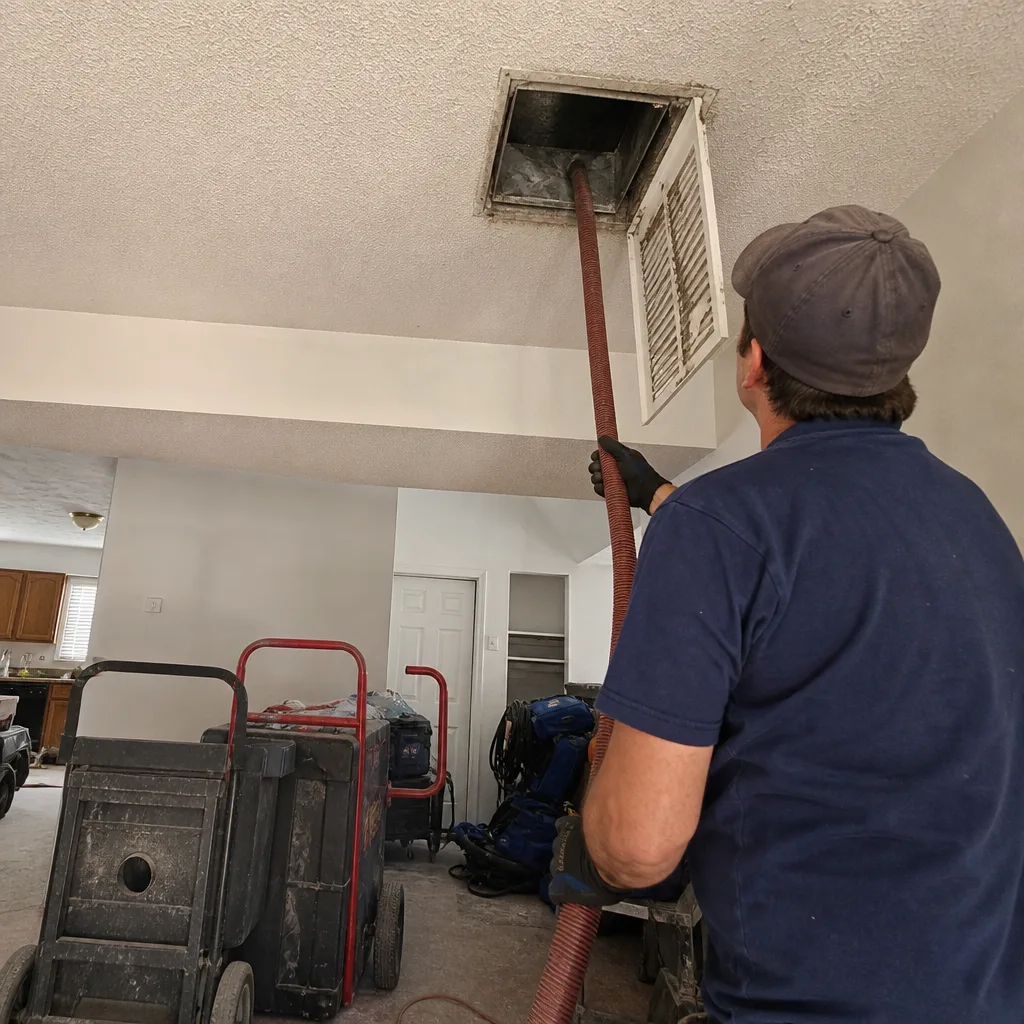 Before
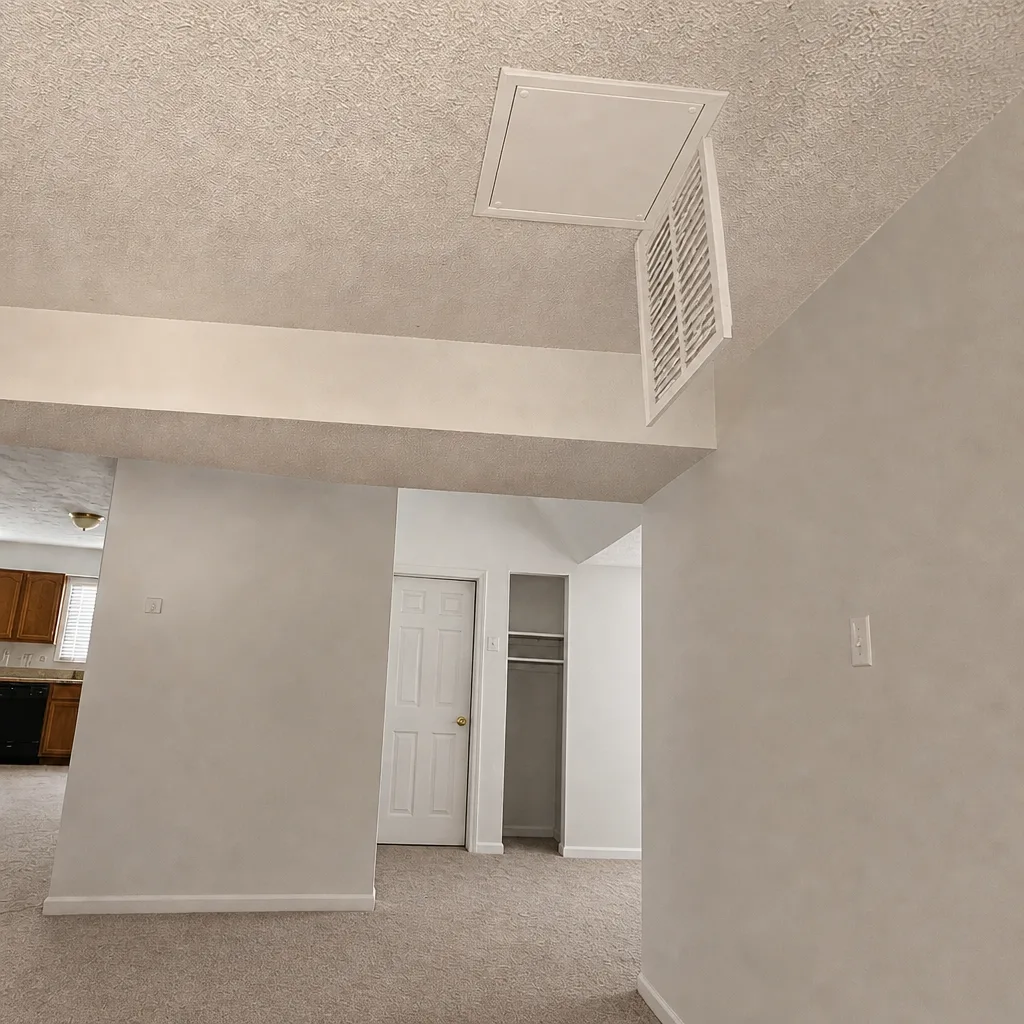 After
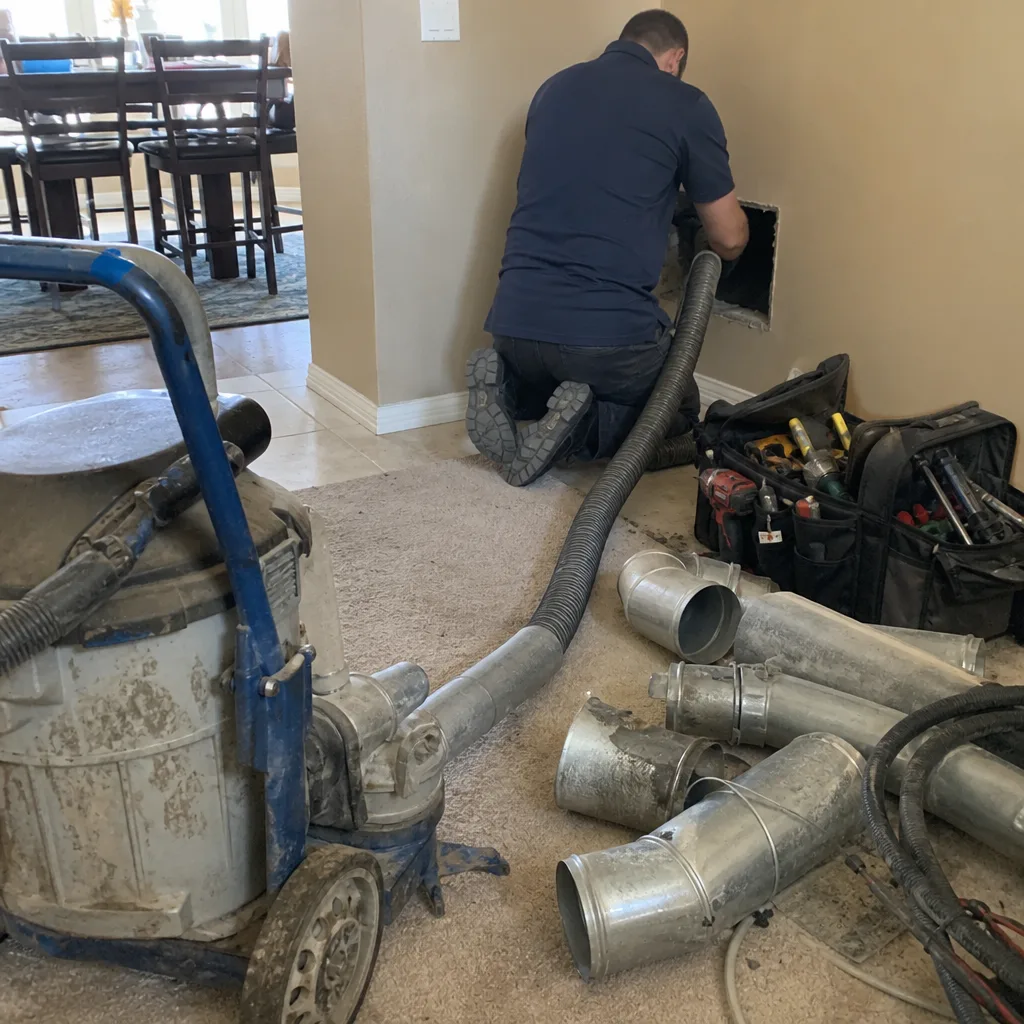 Before
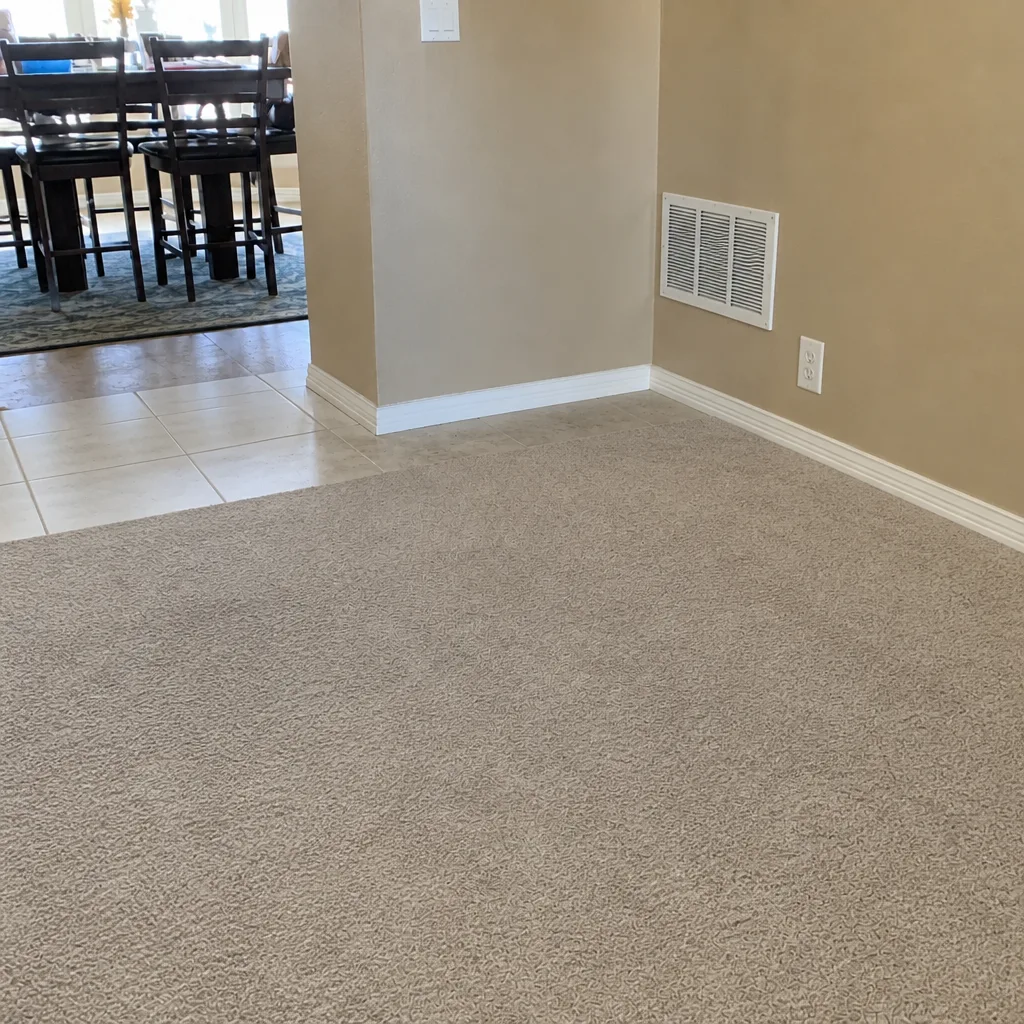 After